
Leverage is perhaps the most misunderstood tool in forex trading. To the inexperienced, it is a way to “get rich quick.” To the professional, it is a surgical tool that, if handled incorrectly, can destroy an account in seconds. Understanding how to use leverage safely is the single most important lesson for any beginner hoping to survive in this industry.

Brian Rosemorgan
Retired Professional Trader | 8+ Years Experience | South Africa
Questions? WhatsApp me directly →
- The Collateral Mechanic: Margin acts as the required deposit security required to keep open market positions active.
- Effective Leverage Formula: Calculated by dividing your total active position volume by your net account equity (e.g., controlling a $10,000 position with $1,000 equity equals an effective ratio of 1:10).
- Risk Threshold: Professional risk management dictates adjusting your lot size relative to your stop-loss distance, limiting total position risk to 1–2% of account capital regardless of broker leverage caps.
Demystifying Leverage
1. What is Leverage?
Leverage allows you to control a large position with a relatively small amount of your own capital. For example, 1:100 leverage means for every $1 you have in your account, your broker lets you control $100 worth of currency. It magnifies both your gains AND your losses.
2. The Role of Margin
Margin is the “collateral” you need to maintain an open position. If you use too much leverage, your “free margin” drops. If your account equity falls below the broker’s required margin due to losses, you will trigger a “Margin Call” or “Stop Out,” and your positions will be closed automatically.
3. The Trap of High Leverage
Beginners often think that 1:500 leverage is “better” than 1:30. In reality, it just means you can enter much larger positions with less money. Using high leverage without a strict stop-loss is not trading; it is reckless gambling. The market can move against you in seconds, and high leverage ensures that movement wipes you out.
4. Defining “Safe” Leverage
There is no single “safe” number, but professional traders focus on *effective leverage* (the actual amount of capital you have exposed). A general rule of thumb for beginners is to keep your position size small enough that even a significant market swing doesn’t risk more than 1–2% of your total account balance.
5. Practical Tips for Control
Always calculate your position size based on your stop-loss distance, not the amount of leverage your broker offers. Use a position size calculator. If you are struggling to sleep because your positions are too large, you are over-leveraged. Scale down until your risk is manageable.
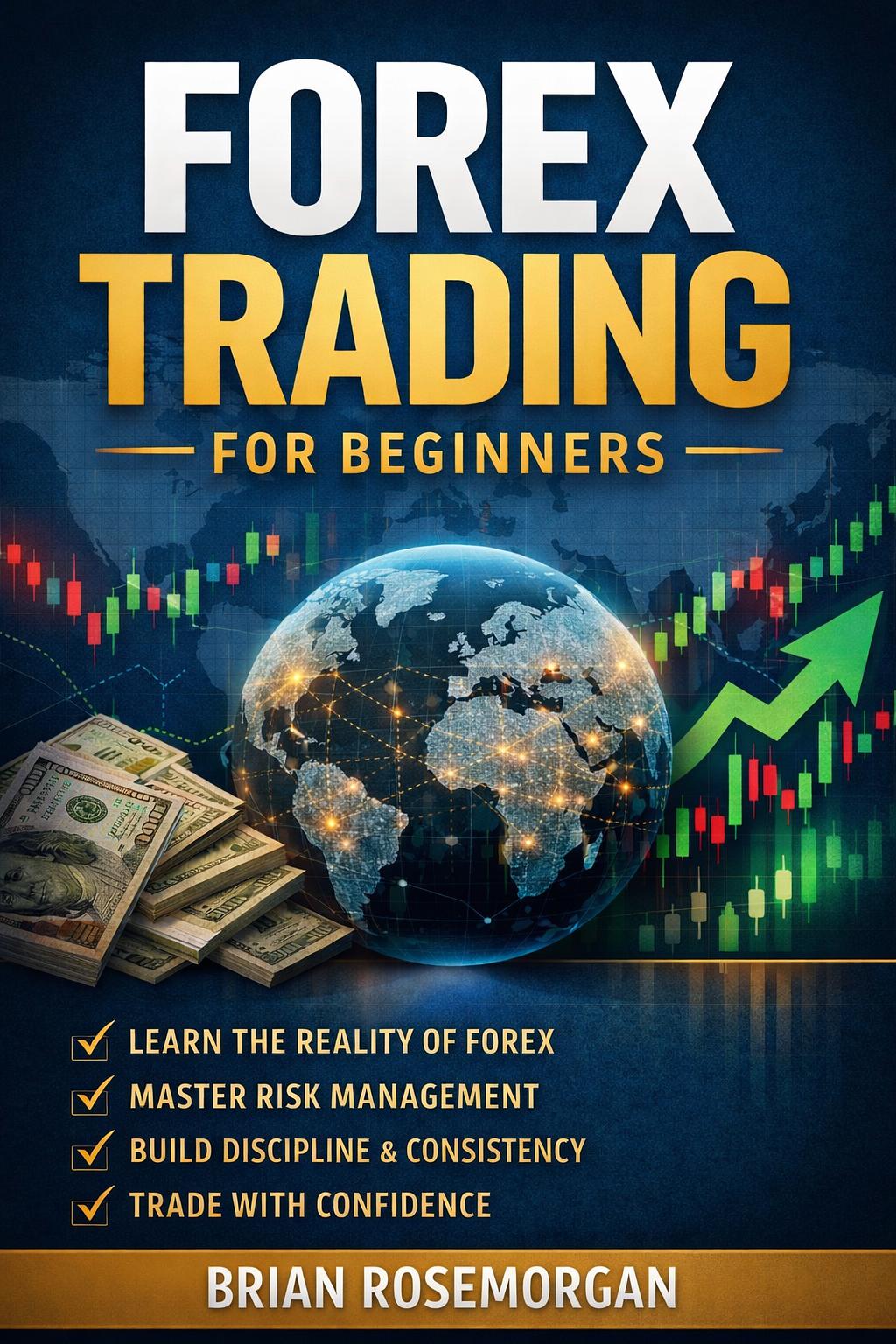
Get The Book
Learn from 8 years of trading experience. Get the exact blueprint used to navigate the markets successfully.
Frequently Asked Questions
1. Does lower leverage make me a better trader?
Lower leverage forces you to use smaller position sizes, which makes it easier to manage your risk and stay calm. It acts as a safety barrier against your own bad habits.
2. Can I lose more than my account balance?
With most regulated brokers, you cannot lose more than you deposit (Negative Balance Protection). However, do not rely on this—always manage your own risk.
3. Why do brokers offer 1:1000 leverage?
Because they want to attract customers who are looking for a shortcut. It is a marketing tool, not a benefit designed to make you profitable.
4. How do I calculate my effective leverage?
Divide your total position value by your account equity. For example, if you have $1,000 in your account and you control a $10,000 position, your effective leverage is 1:10.
5. Is leverage different for different currency pairs?
Sometimes. Some brokers limit the leverage on highly volatile “exotic” pairs because they carry more risk than major pairs like EUR/USD.
6. What is a “Margin Level”?
It is the ratio of your account equity to your used margin. A margin level above 100% is healthy; as it drops toward 50% or lower, your broker may start closing your positions.
7. How can I manage my emotions with leverage?
The fear of losing money is almost always caused by using too much leverage. If you lower your leverage until you feel comfortable, your emotions will stabilize.
8. Is leverage always bad?
No, it is a tool. Using 1:10 leverage to trade a well-analyzed setup is perfectly fine. Using 1:500 to gamble on a random guess is where the danger lies.
9. Can I ask my broker to lower my leverage?
Yes, most reputable brokers allow you to set your account leverage to a lower, fixed ratio in your client portal. This is a great way to “self-regulate.”
High Risk Investment Warning: Trading foreign exchange (Forex) on margin carries a high level of risk and may not be suitable for all investors. The possibility exists that you could sustain a loss of some or all of your initial investment and therefore you should not invest money that you cannot afford to lose.
Educational Purposes Only: All content provided on TryBuying.com is for educational and informational purposes only. Brian Rosemorgan is a retired trader sharing personal experience; he is not a financial advisor. Nothing on this website should be construed as financial or investment advice.
© 2026 TryBuying.com – Built for South African Traders. All Rights Reserved.