
Updated August 2026

Brian Rosemorgan
Retired Professional Trader | 8+ Years Experience | South Africa
Questions?
Forex Spreads Explained: Understanding Trading Costs
In retail forex trading, the spread is the difference between the bid price and the ask price. It is one of the main trading costs you need to consider when entering and exiting a position. Understanding how spreads work is important because they can affect your break-even point, trading costs and overall results.
Spreads are commonly measured in pips and can vary depending on the currency pair, market liquidity, volatility, broker and account type. Major currency pairs such as EUR/USD often have relatively tight spreads during liquid market conditions, while exotic pairs and periods of low liquidity can have wider spreads.
Throughout this lesson, you will learn how bid and ask prices work, how to measure a spread in pips, the difference between fixed and variable spreads, why spreads can widen and how to include spread costs in your trading plan.
1. What is the Bid and Ask Price?
Every forex quote contains two prices: the bid and the ask. The bid is the price at which you can sell a currency pair, while the ask is the price at which you can buy it.
The ask price is normally slightly higher than the bid price. The difference between the two prices is called the spread. When you open a trade, the spread is one of the costs you must overcome before the position can become profitable.
2. Measuring Spreads in Pips
A pip is a standard unit used to measure price movement in forex. The spread is calculated by subtracting the bid price from the ask price.
For example, if the EUR/USD bid is 1.0850 and the ask is 1.0852, the difference is 2 pips. This means the price would generally need to move in your favour by more than the spread before the position reaches a positive result, excluding other costs such as commissions or slippage.
3. Variable vs. Fixed Spreads
Brokers generally offer either variable spreads or fixed spreads, depending on the account and execution model. Variable spreads change according to market conditions and can become narrower when liquidity is high or wider during volatile or low-liquidity periods.
Fixed spreads remain constant under the broker’s stated conditions. However, a fixed-spread account may have a wider quoted spread than a variable-spread account during normal market conditions. Some brokers may also charge a separate commission, so it is important to compare the total trading cost rather than looking at the spread alone.
4. Why Do Forex Spreads Widen During News Events?
During major economic announcements or periods of low liquidity, market conditions can change very quickly. Liquidity providers and brokers may widen spreads to reflect increased market risk and reduced available liquidity.
This means entering a trade during major news events can become more expensive. Rapid price movements can also increase the possibility of slippage, so beginners should be particularly cautious during high-volatility periods.
5. Factoring Spreads Into Your Trading Plan
Every trade begins with the cost of the spread. Day traders and scalpers need to pay particular attention to spreads because repeated entries and exits can make trading costs add up over time.
When planning a trade, consider the spread alongside your stop-loss distance, expected profit target, commission and potential slippage. This gives you a more realistic view of the potential risk and reward of the setup.
💡 Brian’s Expert Advice
In my 8+ years of trading, I learned that focusing only on the advertised spread can give you an incomplete picture of your real trading costs. Some accounts offer very low or near-zero spreads but charge a separate commission, while other accounts may include more of the cost in the spread.
My advice is simple: don’t obsess over finding the absolute lowest spread. Instead, compare the total trading cost and look for a well-regulated broker with reliable order execution and transparent pricing. Always factor the spread into your risk calculation before risking real money.
📌 A Lesson From My Own Trading
When I was learning to trade, I initially paid far too little attention to the spread. I was concentrating on finding good entries and exits, but I eventually realised that trading costs matter, especially when taking shorter-term trades or entering the market frequently.
That experience taught me an important lesson: don’t judge a trading setup only by whether the direction is correct. You also need to understand the costs involved in getting into and out of the trade.
| Key Feature | What You Need to Know | Actionable Takeaway |
|---|---|---|
| Bid vs. Ask Price | The bid is the price at which you can sell, while the ask is the price at which you can buy. | Always account for the spread when calculating your trade entry and exit targets. |
| Variable Spreads | Spreads can become tighter during liquid market conditions and wider during low-liquidity or highly volatile periods. | Major trading sessions often provide greater liquidity, but conditions vary by broker and currency pair. |
| Spread Impact on Risk | Ignoring spread costs can distort your expected risk and reward, especially on shorter timeframes. | Consider the spread, commission and potential slippage when planning your trade. |
Frequently Asked Questions
1. What is the spread in forex trading?
The spread in forex trading is the difference between the ask price and the bid price quoted for a currency pair. It is one of the trading costs you need to consider when opening and closing a position.
2. How do brokers make money from the spread?
Some brokers include their compensation within the spread by adding a markup to the prices they provide. Other brokers may offer tighter spreads while charging a separate commission. This is why it is important to compare the total cost of trading rather than looking at the spread alone.
3. What is the difference between bid and ask price?
The bid price is the price at which you can sell a currency pair, while the ask price is the price at which you can buy. The difference between the two prices is the spread.
4. Are variable spreads better than fixed spreads?
Neither is automatically better for every trader. Variable spreads can be lower during liquid market conditions, while fixed spreads can provide greater predictability under the broker’s stated conditions. Compare the overall trading costs and account terms before deciding which suits your trading style.
5. Why do forex spreads widen suddenly?
Spreads can widen when market liquidity falls or when major economic news causes unusually high volatility. During these periods, available liquidity can change quickly and brokers may quote wider spreads.
6. How do spreads affect forex day trading and scalping?
For day traders and scalpers executing multiple trades, spread costs can accumulate. Because short-term profit targets may be relatively small, the spread can represent a significant part of the potential trading cost. This makes it especially important to understand the typical spread on the currency pairs you trade.
7. What is a pip when calculating forex spreads?
A pip is a standard unit used to measure price movement in forex. For many major currency pairs, one pip is represented by the fourth decimal place. Some brokers also quote fractional pips, sometimes called pipettes.
8. Do demo accounts have the same spreads as live accounts?
Not necessarily. Demo accounts are designed to simulate trading conditions, but the spreads, liquidity and execution you experience may differ from a live account. Before committing real capital, check the broker’s current live trading conditions and understand how its spreads and commissions work.
9. How can South African traders minimize spread costs?
South African traders can reduce unnecessary spread costs by comparing brokers carefully, understanding the total cost of each account, trading liquid currency pairs when appropriate and avoiding unnecessary trading during periods of very low liquidity or extreme volatility. Always check the broker’s current regulatory status and trading conditions before depositing funds.
🛠 Brokers to Consider for Demo Trading
If you are learning forex risk management, I recommend starting with a demo account rather than rushing into live trading. When comparing brokers, look beyond advertised spreads and consider regulation, commissions, execution, platform availability, withdrawal conditions and customer support.
The brokers below are included because they offer demo-trading options. This section contains affiliate links, so I may receive a commission if you open an account through one of the links. This does not mean that either broker is suitable for every trader. Always research the broker yourself and verify its current regulatory status and trading conditions before opening an account.
XM
✔ Demo account available
✔ MT4 & MT5
✔ Multiple account options
✔ Educational resources
An option to investigate if you want to practise trading on demo while comparing its costs, platforms and account conditions with other brokers.
AvaTrade
✔ Demo account available
✔ MT4 & MT5
✔ AvaTradeGO platform
✔ Educational resources
Another option to investigate if you want to compare platforms, trading conditions and educational resources while practising on demo.
Important: Spreads, commissions, leverage and other trading conditions can change. Always check the broker’s current terms, costs, regulation and withdrawal requirements before opening an account.
📘 Forex Trading for Beginners
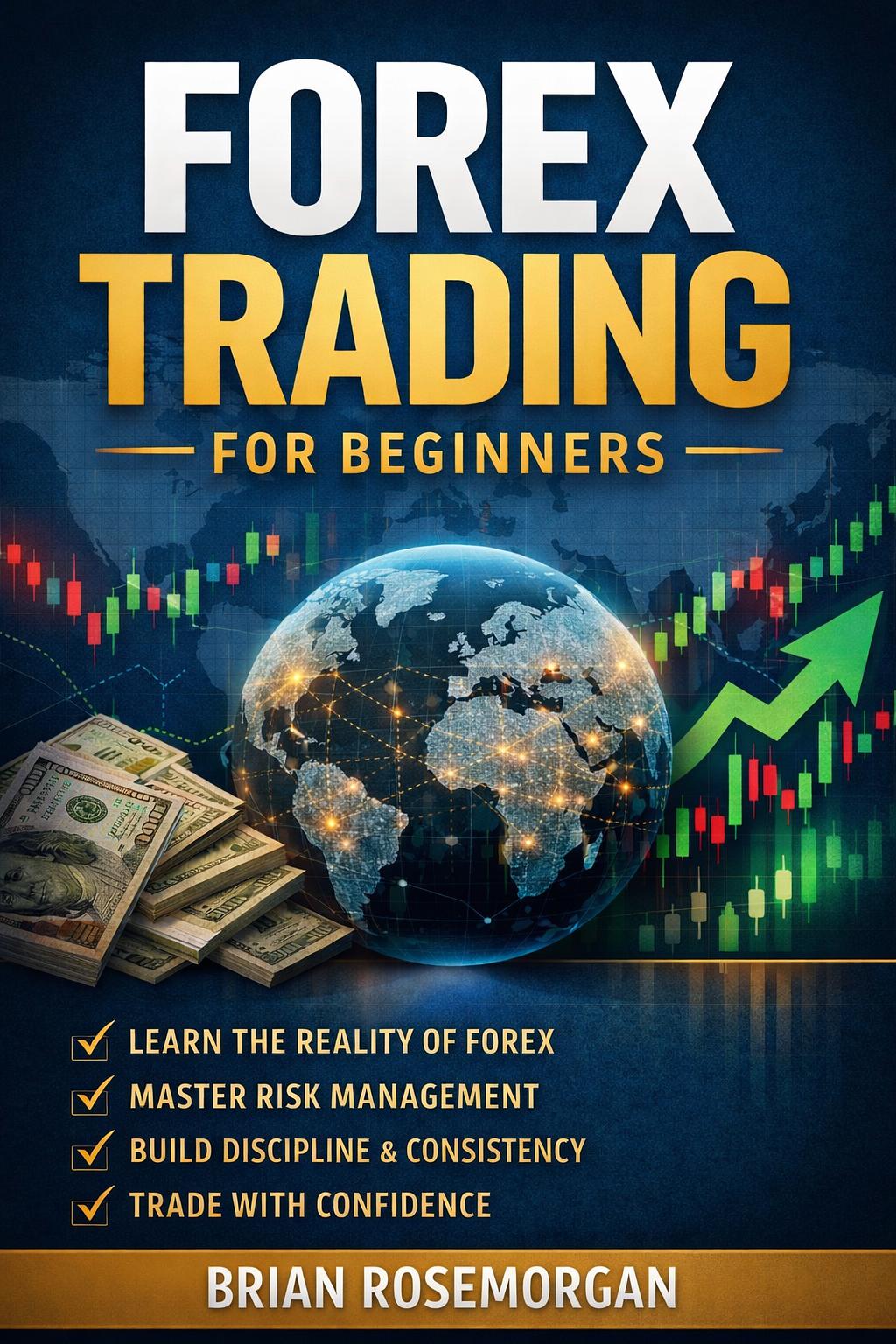
If you’ve enjoyed this free Academy, my book brings everything together in one structured beginner-friendly guide. It’s the perfect companion to the lessons you’ll complete here on TryBuying.
🎉 Congratulations!
You have completed Module 2 – Lesson 2 – Forex Spreads Explained
Click below to save your progress and return to the Academy.
Your progress will be saved automatically. Return to the Academy whenever you’re ready.
Disclaimer: Forex trading and CFDs involve significant risk and may not be suitable for every investor. The information provided on this website is for educational purposes only and should not be considered financial, investment, or trading advice. Always verify that your broker is properly regulated before depositing funds, and practice on a demo account before trading with real money. Never risk money you cannot afford to lose. Past performance does not guarantee future results. Please read our full Risk Disclosure