
Updated August 2026

Brian Rosemorgan
Retired Professional Trader | 8+ Years Experience | South Africa
Questions?
Forex Leverage and Margin Explained: Controlling Larger Positions
In retail forex trading, leverage and margin are two of the most powerful and widely misunderstood concepts. Leverage allows you to control a much larger market position with a relatively small amount of trading capital, magnifying both potential gains and potential losses.
Margin acts as the good faith deposit required by your broker to open and maintain a leveraged position. Understanding how leverage ratios work alongside used, free, and margin call levels is essential for capital preservation and preventing your account from being wiped out by unexpected market volatility.
Throughout this lesson, you will learn how leverage ratios work, how to calculate required margin, how margin calls and stop-out levels can operate, and how to build a disciplined framework for managing leverage safely in your everyday trading plan.
1. What is Forex Leverage?
Leverage is a facility provided by a broker that allows you to control a larger market position than you could normally control using your available trading capital alone. It is expressed as a ratio such as 100:1 or 500:1. The ratio determines how much margin is required to support a position of a particular size. Leverage can increase your market exposure, but it can also magnify losses just as quickly as gains, making strict risk management essential.
2. Understanding Margin and Margin Requirements
Margin is the portion of your account equity that your broker requires as collateral to keep a leveraged position open. It is not normally a trading fee; instead, it is an amount reserved while the position remains active. Different currency pairs, instruments and account conditions can have different margin requirements. If your account equity falls significantly because of adverse price movements, you may approach the broker’s margin-call or stop-out thresholds.
3. Used Margin vs. Free Margin
When managing a live trading account, you must distinguish between used margin and free margin. Used margin represents the total margin currently allocated to maintain your open positions. Free margin is the remaining equity that is not being used as margin. Free margin helps determine whether you have enough available capital to open additional trades or absorb temporary drawdowns without approaching your broker’s risk-control thresholds.
4. Margin Calls and Stop-Out Levels Explained
A margin call is generally a warning that your account’s equity or margin level has fallen to a level specified by the broker. The exact threshold and procedure vary between brokers and account types. If the market continues moving against your positions and your account reaches the broker’s stop-out level, the broker’s trading platform may automatically begin closing open positions according to its stated procedures. Never assume that every broker uses the same margin-call or stop-out level.
5. Why High Leverage Increases Trading Risk
Many beginner traders mistakenly believe that higher leverage provides a distinct structural advantage. In reality, higher leverage allows you to take on larger positions with less required margin, which can make it easier to take excessive risk. A relatively small market movement against an oversized position can cause substantial losses and may rapidly reduce your account equity. Professional risk management focuses on sensible position sizing and controlling the amount risked on each trade rather than simply using the maximum leverage available.
💡 Brian’s Expert Advice
During my 8+ years of live trading, I witnessed numerous aspiring traders blow up their accounts simply because they treated high leverage like free money. Brokers may advertise large leverage ratios such as 500:1 or 1000:1, but having access to high leverage does not mean you should use it.
My golden rule is simple: treat leverage as a tool for controlling market exposure, not an excuse to oversize your risk. Always base your lot sizes on your stop-loss distance and the one percent risk rule rather than how much margin your broker allows you to use. Capital preservation always comes first.
| Key Feature | What You Need to Know | Actionable Takeaway |
|---|---|---|
| Leverage Ratios | Leverage allows you to control a larger position with a smaller amount of required margin. | Keep your effective exposure sensible and prioritize consistent risk management over high leverage. |
| Used vs. Free Margin | Used margin supports active trades, while free margin represents equity that is not currently being used as margin. | Monitor your free margin and maintain a healthy buffer against unexpected market movements. |
| Margin Calls & Stop-Outs | Brokers may issue warnings or automatically close positions when account equity or margin levels reach specified thresholds. | Learn your broker’s specific margin-call and stop-out rules before trading with real money. |
Frequently Asked Questions
1. What is leverage in forex trading?
Leverage is a facility provided by a broker that enables traders to control positions larger than the amount of capital they would otherwise need to commit as margin. By providing a fraction of the total position value as margin, traders can gain exposure to currency movements without providing the full notional value of the position upfront. However, leverage also increases the potential impact of losses.
2. How does margin work in forex?
Margin is the amount of money required by your broker to open and maintain a leveraged position. It acts as collateral while the trade remains open. The exact margin requirement depends on factors such as the instrument, position size, account conditions and broker requirements.
3. What is the difference between leverage and margin?
Leverage is the ratio that determines how much market exposure can be controlled relative to the required margin, such as 50:1 or 200:1. Margin is the amount of account funds required to support that leveraged position. They are closely related, but they are not the same thing.
4. What is a margin call in forex trading?
A margin call is generally a warning or account condition that occurs when your equity or margin level falls to a threshold specified by your broker. The exact threshold and what happens next can vary between brokers. Depending on the broker’s terms, you may need to reduce positions or add funds to restore the required margin level.
5. What happens during a broker stop-out?
A stop-out occurs when your account reaches the broker’s specified level for automatically reducing or closing open positions because there is insufficient margin. The exact stop-out level and order in which positions are closed can vary between brokers, so traders should read the broker’s account terms carefully.
6. Is high leverage safe for beginner traders?
High leverage can be dangerous for beginners because it makes it possible to take larger positions relative to account capital. A relatively small adverse price movement can therefore cause substantial losses if the position is oversized. Beginners should focus on position sizing and risk management rather than maximizing available leverage.
7. How do I calculate required margin for a trade?
Required margin depends on the position’s notional value, the leverage available, and the broker’s specific margin requirements. As a simplified example, if a position has a notional value of $10,000 and the applicable leverage is 100:1, the basic margin calculation would be approximately $100, before considering any broker-specific requirements or adjustments.
8. Can my forex trading account balance go negative?
Some brokers offer negative balance protection, which is designed to prevent eligible clients from losing more than the funds available in their account under specified conditions. However, protection varies by broker, jurisdiction and account type. Always check the broker’s current terms rather than assuming that negative balance protection applies to your account.
9. How can South African traders manage leverage safely?
South African traders can manage leverage more safely by choosing reputable regulated brokers, using sensible position sizes, risking no more than one percent of their capital per trade if that fits their trading plan, and maintaining sufficient free margin. Always check the broker’s current regulatory status, leverage limits, margin requirements and account terms before depositing funds.
🛠 Brokers to Consider for Demo Trading
If you are learning forex risk management, I recommend starting with a demo account rather than rushing into live trading. When comparing brokers, look beyond advertised spreads and consider regulation, commissions, execution, platform availability, withdrawal conditions and customer support.
The brokers below are included because they offer demo-trading options. This section contains affiliate links, so I may receive a commission if you open an account through one of the links. This does not mean that either broker is suitable for every trader. Always research the broker yourself and verify its current regulatory status and trading conditions before opening an account.
XM
✔ Demo account available
✔ MT4 & MT5
✔ Multiple account options
✔ Educational resources
An option to investigate if you want to practise trading on demo while comparing its costs, platforms and account conditions with other brokers.
AvaTrade
✔ Demo account available
✔ MT4 & MT5
✔ AvaTradeGO platform
✔ Educational resources
Another option to investigate if you want to compare platforms, trading conditions and educational resources while practising on demo.
Important: Spreads, commissions, leverage and other trading conditions can change. Always check the broker’s current terms, costs, regulation and withdrawal requirements before opening an account.
📘 Forex Trading for Beginners
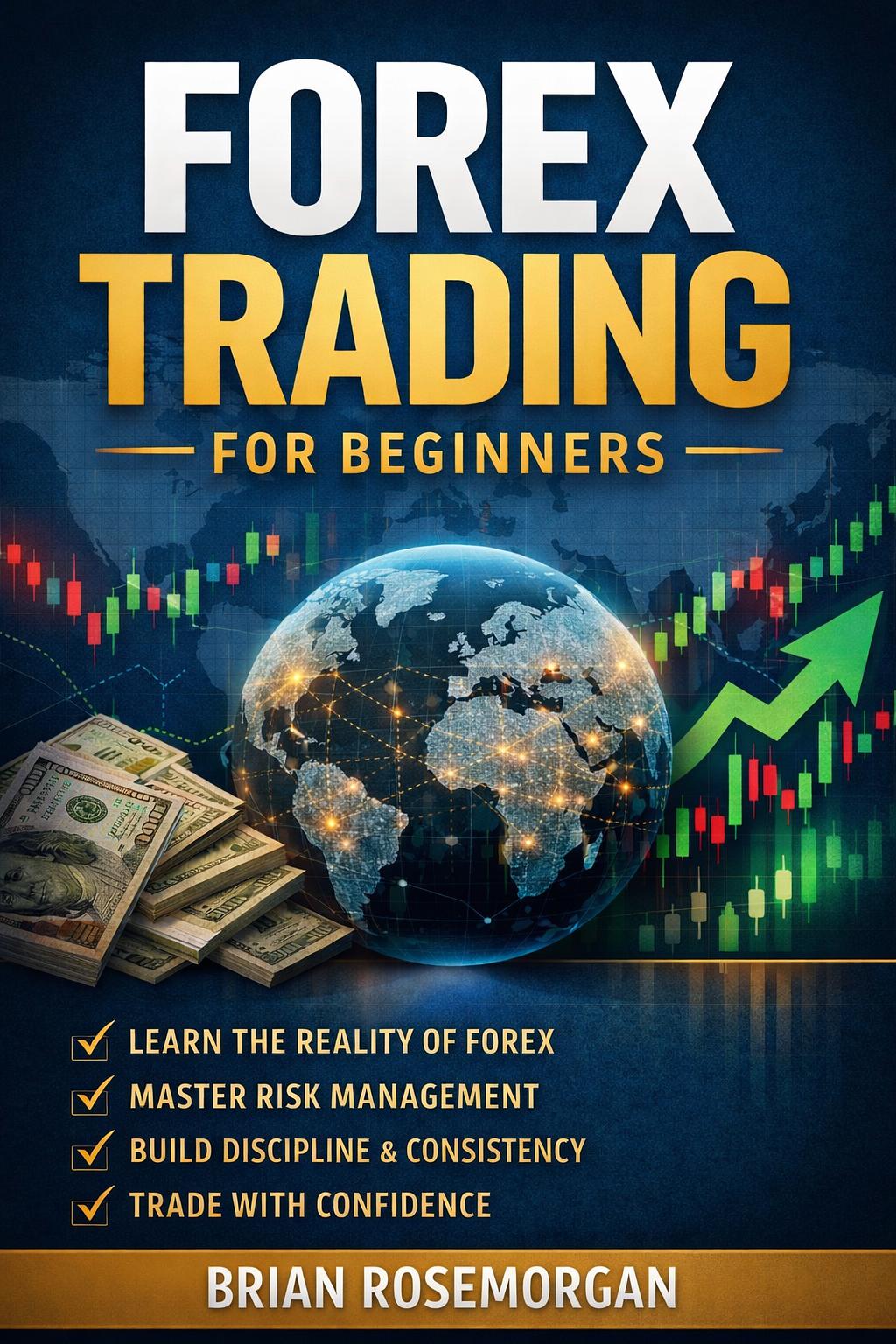
If you’ve enjoyed this free Academy, my book brings everything together in one structured beginner-friendly guide. It’s the perfect companion to the lessons you’ll complete here on TryBuying.
🎉 Congratulations!
You have completed Module 2 – Lesson 3 – Leverage & Margin Explained
Click below to save your progress and return to the Academy.
Your progress will be saved automatically. Return to the Academy whenever you’re ready.
Disclaimer: Forex trading and CFDs involve significant risk and may not be suitable for every investor. The information provided on this website is for educational purposes only and should not be considered financial, investment, or trading advice. Always verify that your broker is properly regulated before depositing funds, and practice on a demo account before trading with real money. Never risk money you cannot afford to lose. Past performance does not guarantee future results. Please read our full Risk Disclosure