
When to Trade Forex: Timing Your Path to Profitability
Last Updated: July 2026
Successful Trading Starts With Choosing the Right Time to Trade
One of the biggest misconceptions among beginner forex traders is that the market offers the same opportunities every hour of the day. Because the forex market operates 24 hours a day during the trading week, many new traders believe they can trade whenever they have free time and expect similar results. In reality, market activity changes dramatically throughout the day as the world’s major financial centres open and close.
Some trading sessions experience high trading volume, tighter spreads and strong price movements, making them attractive for active traders. Other periods can be quiet, with limited volatility and fewer trading opportunities. Understanding when the market is most active can help traders improve execution, reduce trading costs and avoid entering positions during slow or unpredictable conditions.
As a retired trader with more than eight years of live market experience, I’ve learned that choosing the right time to trade can be just as important as choosing the right trading strategy. In this guide, you’ll learn how the major forex trading sessions work, discover which currency pairs perform best during different times of the day, understand the importance of session overlaps and learn how professional traders plan their trading around periods of higher market activity.

Brian Rosemorgan
Retired Professional Trader | 8+ Years Experience | South Africa
LEARN ABOUT MY JOURNEY →
Questions?
WhatsApp me directly →
Quick Navigation
AI Overview
The best time to trade forex depends on market activity, trading sessions and the currency pairs you are trading. Although the forex market operates 24 hours a day from Monday to Friday, not every hour offers the same trading opportunities. Some periods have higher liquidity and stronger price movements, while others are much quieter and may produce fewer high-quality trading setups.
Professional traders often plan their trading around the major forex sessions—Sydney, Tokyo, London and New York—with particular attention paid to session overlaps when trading volume and volatility are typically at their highest. These active periods can provide tighter spreads, faster execution and greater opportunities for well-planned trades.
For beginners, understanding when to trade can be just as valuable as learning technical analysis or risk management. Trading during the right market conditions can improve discipline, reduce frustration and help build more consistent trading habits over time.
1. Understanding the Forex Trading Sessions
Unlike the stock market, the forex market operates 24 hours a day, five days a week. This is possible because trading moves continuously between the world’s major financial centres as each one opens and closes. Rather than one exchange controlling the market, forex trading takes place through a global network of banks, financial institutions and brokers.
The trading week usually begins on Monday morning in the Asia-Pacific region and finishes on Friday evening in North America. As one trading session ends, another begins, creating almost continuous market activity. However, not every hour of the day offers the same trading opportunities. Market activity, volatility and liquidity vary significantly depending on which financial centres are open.
Understanding the four major forex trading sessions helps beginners recognise when markets are typically quieter and when price movements are more active. Learning these patterns allows traders to choose trading times that match their strategy instead of simply trading whenever they happen to have free time.
Key Takeaway
The forex market is always open somewhere in the world—but not every trading hour offers the same opportunities.
Successful traders often choose to trade during sessions that provide higher liquidity, tighter spreads and stronger price movements rather than trading around the clock.
2. The Four Major Forex Trading Sessions
Each trading session has its own characteristics. Some sessions are relatively quiet with smaller price movements, while others are known for higher volatility and increased trading volume. Knowing these differences can help beginners decide when to focus their trading activity.
| Trading Session | Typical Activity | Popular Currency Pairs | Volatility |
|---|---|---|---|
| Sydney | Beginning of the trading week with lighter volume. | AUD/USD, NZD/USD | Low |
| Tokyo | Strong activity across Asian markets. | USD/JPY, AUD/JPY | Moderate |
| London | Highest trading volume in the world. | EUR/USD, GBP/USD, EUR/GBP | High |
| New York | Strong movement, especially when overlapping London. | EUR/USD, USD/CAD, GBP/USD | High |
The London session is generally considered the busiest trading session because it accounts for a large proportion of global forex trading volume. Many of the strongest daily price movements occur while London is open, particularly when it overlaps with the New York session.
3. Why Timing Makes a Difference
Imagine two beginner traders using exactly the same trading strategy on the EUR/USD currency pair.
Trader A opens trades during the quiet period between major trading sessions when market activity is low. Price moves slowly, spreads may widen and trading opportunities are limited. Even when the analysis is correct, it can take much longer for the market to reach profit targets.
Trader B trades during the London and New York session overlap when liquidity is high and many banks and institutions are actively participating in the market. Price movements are generally stronger, making it easier for trends and breakouts to develop.
Although both traders use the same strategy, the trader who chooses a more active trading session often experiences better trade execution and more consistent market movement. This illustrates why when you trade can be almost as important as how you trade.
Professional Insight
One of the biggest improvements I made during my own trading career was focusing on quality trading hours instead of trying to trade all day. Concentrating on the busiest market sessions reduced unnecessary trades, improved liquidity and helped me become more selective about the opportunities I took.
4. Why Session Overlaps Matter
The most active periods in the forex market occur when two major trading sessions are open at the same time. During these overlaps, trading volume increases because banks, hedge funds, institutional investors and retail traders from multiple regions are all participating in the market simultaneously.
Higher trading activity usually leads to greater liquidity, tighter spreads and larger price movements. This makes session overlaps particularly attractive for day traders and swing traders looking for clear trends or breakout opportunities.
For many beginners, the London–New York overlap is often considered one of the best times to trade because it combines the world’s two largest financial centres. Many significant daily moves in major currency pairs occur during this period, although increased volatility also means traders should continue using proper risk management.
Benefits of Trading During Active Sessions
✔ Better Liquidity
Higher trading volume usually makes it easier to enter and exit trades efficiently.
✔ Stronger Price Movements
More participants often result in clearer trends and larger market moves.
✔ Lower Spreads
Many brokers offer their most competitive spreads during the busiest trading hours.
✔ More Trading Opportunities
Active sessions generally produce more setups for traders who follow technical analysis and price action strategies.
Timing Is Only Part of the Equation
Choosing the right trading session can improve your chances of finding quality opportunities, but timing alone cannot make an unprofitable strategy successful. In the next section, we’ll explore the common timing mistakes beginners make and how professional traders build routines around the hours that best suit their trading style.
5. Common Timing Mistakes Beginners Make
One of the biggest misconceptions among new forex traders is that they should trade whenever they have free time. While the forex market operates 24 hours a day during the trading week, not every hour offers the same quality trading opportunities. Successful traders focus on trading during periods that suit both their strategy and the behaviour of the market.
Trading at the wrong time can lead to wider spreads, slower price movement, false breakouts and unnecessary frustration. Understanding these common timing mistakes can help beginners avoid many of the problems that cause early trading losses.
5 Common Timing Mistakes
Mistake 1 – Trading Every Session
Many beginners believe they need to trade all day because the forex market never stops. In reality, professional traders usually specialise in one or two sessions that best match their trading strategy.
Mistake 2 – Ignoring Major Economic News
High-impact economic announcements can create sudden volatility and unpredictable price swings. Beginners should always check the economic calendar before opening trades.
Mistake 3 – Trading During Low Liquidity
Quiet market periods often produce slower price movement, wider spreads and fewer quality setups. Waiting for more active trading hours usually provides better opportunities.
Mistake 4 – Chasing Every Market Move
Trying to trade every price movement often leads to overtrading. Patient traders wait for setups that fit their trading plan instead of reacting to every fluctuation.
Mistake 5 – Trading Without a Routine
Professional traders usually have consistent trading hours. Having a routine improves discipline, reduces emotional decisions and makes performance easier to review over time.
Brian’s Pro Tip:
One lesson I learned over years of live trading was that I didn’t need to trade all day to become profitable. In fact, many of my best trades came from patiently waiting for the busiest market sessions instead of forcing trades during quiet periods.
Treat trading like a business with set working hours. Choose the sessions that best suit your strategy, prepare before the market opens and focus on quality rather than quantity. A few well-planned trades are almost always better than dozens of random ones.
Build Your Trading Routine Around the Market
Understanding the best times to trade is only one part of becoming a successful forex trader. Consistently following a trading schedule, managing risk and sticking to your trading plan are what ultimately lead to long-term success. In the next section, we’ll answer the most common beginner questions about forex trading times and help you decide which sessions are most suitable for your goals.
6. Expert Questions & Answers
Q1. What is the best time of day to trade forex?
Answer: Many traders prefer the London session or the London–New York overlap because these periods usually have the highest trading volume, stronger price movements and tighter spreads. However, the best time also depends on your trading strategy and the currency pairs you trade.
Q2. Can I trade forex at any time?
Answer: The forex market is open 24 hours a day during the trading week, but not every hour offers the same opportunities. Some sessions are much quieter than others, so it’s often better to focus on the periods that match your trading style.
Q3. Which forex session is best for beginners?
Answer: The London session is often recommended because it has high liquidity and many clear trading opportunities. Beginners should still practise on a demo account before risking real money, regardless of the session they choose.
Q4. Why is the London–New York overlap important?
Answer: During this overlap, two of the world’s largest financial centres are active at the same time. This typically increases trading volume, improves liquidity and creates stronger market movements in many major currency pairs.
Q5. Should I trade during major news events?
Answer: High-impact economic news can create significant volatility. Experienced traders may have strategies designed for these events, but beginners are usually better off waiting until markets settle unless they fully understand the additional risks involved.
Q6. Do professional traders trade all day?
Answer: Generally, no. Most professional traders focus on specific market sessions that suit their strategy. Trading only during high-quality periods helps reduce unnecessary trades and encourages greater discipline.
Frequently Asked Questions
-
Which forex session has the highest volatility?
The London session and the London–New York overlap usually produce the largest price movements because of their high trading volume. -
Can I trade forex at night?
Yes. Depending on where you live, one or more major trading sessions may occur during the evening or overnight. -
Is it better to trade one currency pair during its local session?
Often, yes. Currency pairs tend to be most active when their associated financial centres are open and participating in the market. -
Should beginners avoid quiet trading periods?
In many cases, yes. Active sessions generally provide better liquidity and clearer price movement, making trading conditions more favourable for beginners. -
How do I choose the best trading session?
Choose a session that matches your daily schedule, preferred currency pairs and trading strategy. Consistency is more important than trying to trade every available session.
📚 Continue Learning
Build your trading skills further with these beginner-friendly guides:
🛠 Recommended Trading Tools
The easiest way to learn how different trading sessions behave is by practising on a free demo account and observing the market throughout the trading day.
XM Global
Practice trading during the London, New York and Asian sessions using free MT4 and MT5 demo accounts with live market data.
AvaTrade
Explore how volatility changes throughout the day while practising on unlimited demo accounts with advanced charting tools.
📘 Continue Your Trading Education
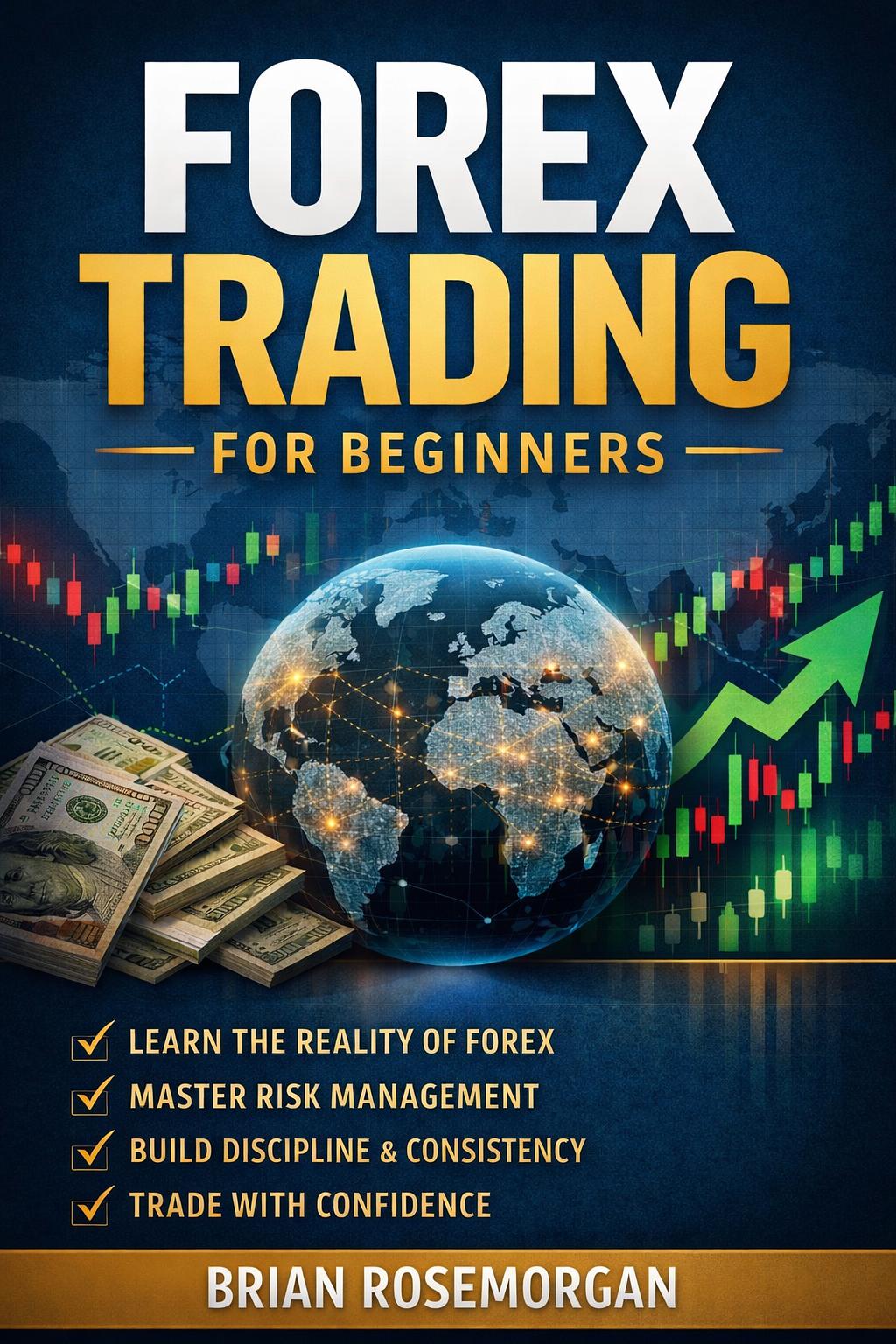
Knowing when to trade can dramatically improve your discipline and trading consistency. My beginner-friendly book explains how to build a complete trading routine, manage risk, understand technical analysis and develop the habits used by successful traders.
Disclaimer: Trading foreign exchange carries a high level of risk and may not be suitable for all investors. The information provided in this guide is for educational purposes only and should not be considered financial or investment advice. Market conditions vary throughout the trading day, and no trading session guarantees
profitable results. Always use appropriate risk management and read our full Risk Disclosure before trading with real
money.