
updated august 2026
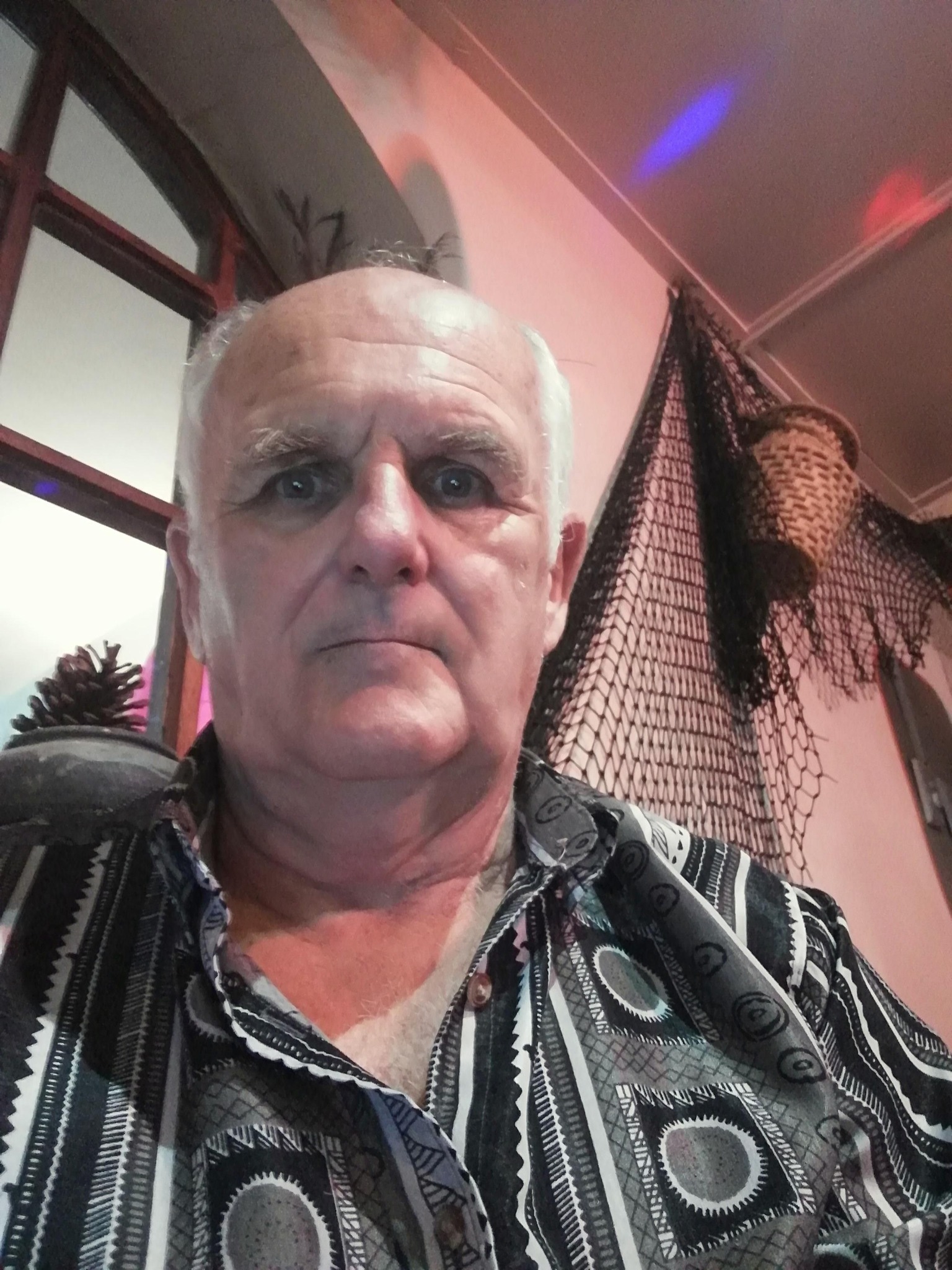
Brian Rosemorgan
Retired Professional Trader | 8+ Years Experience | South Africa
Questions?
Can I Start Trading Forex with R20?
If you are a beginner in South Africa, you may wonder whether it is possible to start trading forex with only R20. The short answer is that R20 is a very small amount of money for live forex trading, and even if a broker technically allows a very small deposit, that does not mean R20 provides enough capital to trade responsibly.
Forex trading involves leverage, spreads, commissions and the possibility of losing money. Your available capital also affects how easily you can follow sensible risk-management rules. With only R20, even a small monetary loss can represent a large percentage of your account, making proper position sizing extremely difficult.
This does not mean you cannot start learning forex with R20. In fact, you can begin your education with almost no money by studying the market, learning risk management and practising on a demo account. The important distinction is between starting to learn forex and starting to trade forex with real money.
1. R20 Is Learning Money, Not Trading Capital
R20 can be enough to begin learning about forex, but it is not a realistic amount of capital for developing a sensible live trading account. If you lose R2, that is already 10% of the account. A few small losses can therefore create a major percentage drawdown. Capital size matters when applying responsible risk management.
2. Understand the Difference Between Deposit and Risk
A broker’s minimum deposit does not tell you how much you should risk on a trade. These are two completely different concepts. A broker might allow a small deposit, but you still need enough account equity to use sensible position sizes and maintain adequate room for normal market fluctuations.
3. Use a Demo Account While Your Capital Is Small
If R20 is all you can afford to put aside for learning, there is no reason to rush into live trading. A demo account allows you to practise chart reading, entries, stop-loss placement, position sizing and trade management without putting your R20 at immediate risk. This can provide valuable experience before considering live trading.
4. Small Accounts Can Create Large Percentage Losses
Percentage risk is particularly important with very small accounts. Losing R5 from R20 means losing 25% of the account. Recovering from large percentage losses becomes increasingly difficult. This is why beginners should concentrate on protecting capital rather than trying to turn a tiny account into a large one quickly.
5. Avoid the Temptation to Turn R20 Into a Fortune
One of the most dangerous ideas for a beginner is believing that a tiny account can quickly become a large account through aggressive leverage. Attempts to multiply a small balance rapidly usually require taking disproportionate risks. Forex trading should not be treated as a lottery or a guaranteed way to make quick money.
💡 Brian’s Expert Advice
When I started trading, I learned an important lesson: having money in a trading account does not make you a trader. Knowledge, discipline and risk management are what matter. If R20 is all you have available, I would rather see you keep that money safe and spend time learning on a demo account than try to turn R20 into R200 through excessive risk.
Do not measure your progress by how quickly you can grow a small account. Measure it by how well you understand the market, how consistently you follow your trading plan and how carefully you manage risk. Those habits are far more valuable than a quick lucky profit.
| Question | What You Need to Know | Best Approach |
|---|---|---|
| Can I deposit R20? | Some brokers may advertise very low minimum deposits, but availability and conditions vary. | Check the broker’s current terms rather than assuming R20 is sufficient. |
| Can I trade responsibly with R20? | The extremely small balance makes sensible percentage-based risk management difficult. | Use a demo account while learning instead of forcing trades with real money. |
| What should I do with R20? | Treat it as money that should not be put at unnecessary risk. | Learn first, practise second and consider live trading only when properly prepared. |
Frequently Asked Questions
1. Can I start forex trading with R20?
R20 is an extremely small amount for live forex trading. Although some brokers may advertise low minimum deposits, a minimum deposit is not the same as a recommended trading balance. With R20, even a small monetary loss represents a large percentage of your account, making responsible risk management difficult.
2. Is R20 enough to make money trading forex?
R20 is not a realistic amount to rely on for meaningful forex income. Attempting to generate large returns from such a small balance would usually require taking excessive risk. A better objective is to learn the skills required for trading and build experience rather than trying to create an income from a tiny account.
3. Can I open a forex account with R20 in South Africa?
This depends on the broker, account type, payment method and current minimum-deposit requirements. These conditions can change, so you should check the broker’s current terms before depositing. More importantly, being able to open an account with R20 does not mean that R20 is an appropriate amount for live trading.
4. What happens if I lose R5 from a R20 trading account?
Losing R5 from a R20 account represents a 25% loss of the original balance. This illustrates why percentage risk is so important. Recovering from large percentage losses requires increasingly larger gains. A beginner should therefore avoid risking large portions of a small account on individual trades.
5. Should I use a demo account instead of trading R20?
For most beginners, a demo account is the better starting point. You can practise using virtual funds while learning how orders, charts, stop-losses, position sizing and trading platforms work. This allows you to gain experience without immediately risking the small amount of money you have available.
6. Can I use the 1% risk rule with R20?
The mathematical calculation is simple: 1% of R20 is only R0.20. However, the practical problem is that many brokers and trading instruments have minimum position sizes and transaction costs that can make such a tiny risk amount impractical. This demonstrates why an extremely small account can be difficult to manage professionally.
7. Is it safe to use high leverage with a R20 account?
High leverage can increase the size of positions that a trader can control, but it does not remove trading risk. Using high leverage to try to grow a R20 account quickly can result in substantial losses. Beginners should understand leverage before using it and should never use it simply to compensate for insufficient capital.
8. Can I turn R20 into R1,000 through forex trading?
It is possible for an account balance to increase substantially, but there is no reliable or safe method for turning R20 into R1,000 quickly through forex trading. Trying to achieve a 50-fold increase would require extremely high returns and could involve extreme risk. Forex profits cannot be guaranteed.
9. How much money should a beginner have before trading forex?
There is no universal minimum amount that is suitable for every trader. The important question is whether the account is large enough to allow sensible position sizing and risk management while using money you can afford to lose. Beginners should focus on education and demo practice before deciding how much capital to commit.
🛠 Brokers to Consider for Demo Trading
If you are starting with very little capital, I recommend beginning with a demo account rather than trying to trade your R20 immediately. When comparing brokers, consider regulation, trading costs, execution, platforms, withdrawal conditions and customer support rather than focusing only on the advertised minimum deposit.
The brokers below are included because they offer demo-trading options. This section contains affiliate links, so I may receive a commission if you open an account through one of the links. This does not mean that either broker is suitable for every trader. Always research the broker yourself and verify its current regulatory status and trading conditions before opening an account.
XM
✔ Demo account available
✔ MT4 & MT5
✔ Multiple account options
✔ Educational resources
An option to investigate if you want to practise trading on demo while comparing its costs, platforms and account conditions with other brokers.
AvaTrade
✔ Demo account available
✔ MT4 & MT5
✔ AvaTradeGO platform
✔ Educational resources
Another option to investigate if you want to compare platforms, trading conditions and educational resources while practising on demo.
Important:
Spreads, commissions, leverage and other trading conditions can change. Always check the broker’s current terms, costs, regulation and withdrawal requirements before opening an account.
📘 Forex Trading for Beginners
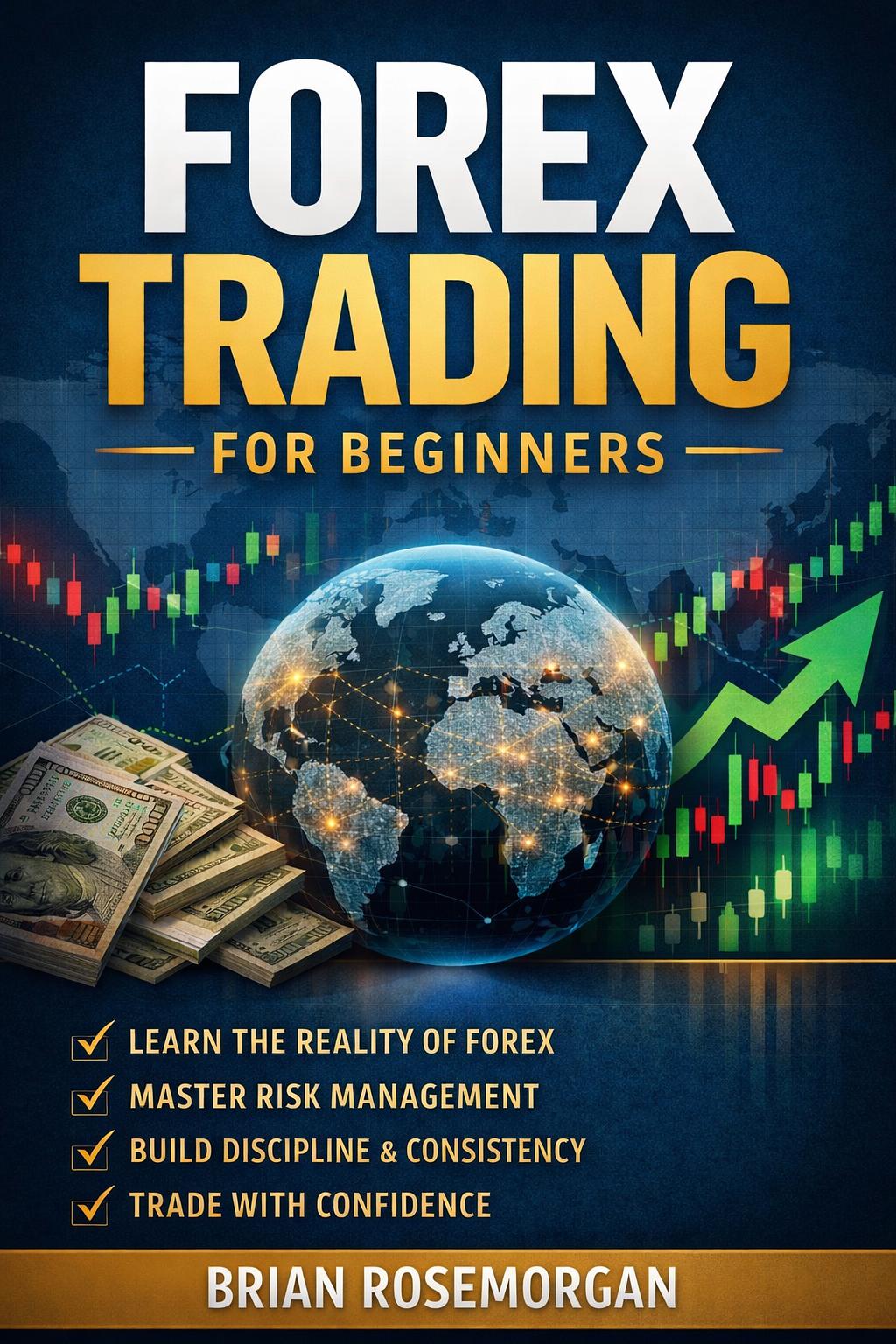
If you’ve enjoyed this free Academy, my book brings everything together in one structured beginner-friendly guide. It’s a useful reference to keep beside you as you continue learning and practising forex trading.
🎉 Lesson Complete
Congratulations! You have completed Can I Start Trading Forex with R20?.
Click below to return to the TryBuying Forex Learning Academy.
Return to the Academy whenever you’re ready to continue learning.
Disclaimer: Forex trading and CFDs involve significant risk and may not be suitable for every investor. The information provided on this website is for educational purposes only and should not be considered financial, investment, or trading advice. Always verify that your broker is properly regulated before depositing funds, and practice on a demo account before trading with real money. Never risk money you cannot afford to lose. Past performance does not guarantee future results. Please read our full Risk Disclosure