
updated august 2026

Brian Rosemorgan
Retired Professional Trader | 8+ Years Experience | South Africa
Questions?
Capital Required to Trade Forex Successfully
Determining how much capital is required to trade forex successfully is one of the most critical steps for any aspiring market participant. While retail brokers allow you to open accounts with minimal deposits, trading with insufficient funds drastically increases your risk of total ruin. Proper funding ensures you can absorb normal market volatility without breaking strict risk management boundaries.
A realistic starting capital allows you to utilize appropriate lot sizes, such as micro lots, and maintain comfortable margin levels without over-leveraging your positions. When your account size matches your trading strategy, psychological pressure decreases significantly, allowing you to focus on execution discipline and consistency rather than worrying about account survival.
Throughout this lesson, you will explore the financial realities of retail trading capital, learn how to calculate minimum cushion requirements based on your risk tolerance, and understand why starting too small often leads to premature failure. Mastering this concept sets the foundation for a sustainable, professional trading career.
1. The Reality of Retail Forex Funding
While brokers often advertise low minimum deposits of $10 or $50, trading with such small amounts makes proper risk management virtually impossible. Micro-accounts require sufficient financial cushion to absorb normal drawdowns and support micro lots without violating your maximum percentage-per-trade risk limits.
2. The Role of Leverage and Margin
Leverage allows you to control larger positions with a smaller deposit, but it cuts both ways. Excessive leverage combined with undercapitalized accounts accelerates losses. Understanding your broker’s margin requirements helps you determine the baseline equity needed to keep your open positions safe from unexpected margin calls.
3. Risk Management and the 1% Rule
Professional risk management dictates risking no more than 1 percent of your total account equity on any single trade. With a very small account, this restriction forces you into fractional positions that may not align with standard broker limits, highlighting why an adequate starting balance is vital.
4. Accounting for Drawdowns and Expenses
Every trading strategy experiences losing streaks. Your starting capital must include a buffer specifically designated to absorb consecutive losses without depleting your core operational equity. Planning for inevitable drawdowns protects your psychological stability and keeps your trading plan functional during difficult market phases.
5. Building Capital Safely Through Demo Practice
Before committing hard-earned money to live markets, building competence on a demo account is essential. Use this practice phase to test your strategy, determine your realistic risk parameters, and save adequate capital so that when you transition to live trading, you are fully prepared for financial success.
Brian’s Expert Advice
Over my eight years of trading experience, I have seen countless beginners deposit small sums of money expecting to turn them into fortunes overnight through massive leverage. This mindset is a direct ticket to a blown account. Save a realistic amount of risk capital—funds you can truly afford to lose—and treat your account with professional respect from day one. Longevity in this industry depends entirely on capital preservation.
| Key Feature | What You Need to Know | Actionable Takeaway |
|---|---|---|
| Minimum Deposits | Brokers allow low entry deposits, but they are rarely enough for safe trading. | Fund your account with a realistic capital cushion to support risk rules. |
| Risk Parameters | The 1% risk rule requires adequate equity to execute micro-lots cleanly. | Align your account size with your maximum allowable loss per trade. |
| Drawdown Absorption | Losing streaks happen to every trader; capital must buffer these losses. | Never trade with money you cannot afford to lose or need for living expenses. |
Frequently Asked Questions
1. How much money do I need to start trading forex?
While some brokers allow deposits as low as $10, a more realistic starting capital for a micro-account ranges from $500 to $1,000. This buffer allows you to trade micro lots safely, adhere to strict risk management rules, and absorb normal market drawdowns without risking total account liquidation.
2. Can you trade forex with a $100 account?
Yes, you can technically open and trade a forex account with $100, but it severely limits your flexibility. With such a small balance, executing proper risk management becomes extremely difficult, often forcing traders to over-leverage their positions and risk a rapid margin call.
3. Why is undercapitalization dangerous in forex trading?
Undercapitalization forces traders to use oversized positions relative to their equity just to make meaningful returns. This violates fundamental risk management principles, amplifying losses and making it almost impossible to survive routine market volatility and losing streaks.
4. How does leverage affect the capital required to trade?
Leverage allows you to control larger market positions with a smaller deposit, reducing the immediate capital needed to enter a trade. However, high leverage also magnifies potential losses, meaning undercapitalized accounts can be wiped out instantly during unexpected market spikes.
5. What is risk capital and why is it important?
Risk capital refers to funds that you can afford to completely lose without impacting your lifestyle, standard of living, or financial security. Trading with risk capital removes emotional stress, allowing you to execute your trading plan with calm discipline and clarity.
6. How do drawdowns impact your required trading capital?
Drawdowns are periods of consecutive losses inherent in any trading system. Your starting capital must be large enough to withstand these inevitable drawdowns without exhausting your account balance, ensuring you stay in the game long enough for your strategy’s edge to play out.
7. Should beginners start with real money or demo accounts?
Beginners should always start with demo accounts to master platform mechanics, test strategies, and build consistent habits without financial risk. Once consistent profitability and discipline are demonstrated on demo, transitioning to live trading with proper risk capital can begin safely.
8. How do I calculate my maximum risk per trade?
You calculate your maximum risk by multiplying your total account equity by your chosen risk percentage, typically 1 percent. For example, a $1,000 account means risking no more than $10 per trade, dictating your precise stop-loss distance and lot size selection.
9. Where can I find more guidance on forex risk management?
TryBuying offers comprehensive educational modules, risk calculators, and structured guides designed to help beginner traders understand capital requirements, master broker selection, and build sustainable trading habits for long-term success in the currency markets.
Brokers to Consider for Demo Trading
If you are learning forex risk management, I recommend starting with a demo account rather than rushing into live trading. When comparing brokers, look beyond advertised spreads and consider regulation, commissions, execution, platform availability, withdrawal conditions and customer support.
The brokers below are included because they offer demo-trading options. This section contains affiliate links, so I may receive a commission if you open an account through one of the links. This does not mean that either broker is suitable for every trader. Always research the broker yourself and verify its current regulatory status and trading conditions before opening an account.
XM
Demo account available
MT4 & MT5
Multiple account options
Educational resources
An option to investigate if you want to practise trading on demo while comparing its costs, platforms and account conditions with other brokers.
AvaTrade
Demo account available
MT4 & MT5
AvaTradeGO platform
Educational resources
Another option to investigate if you want to compare platforms, trading conditions and educational resources while practising on demo.
Important: Spreads, commissions, leverage and other trading conditions can change. Always check the broker’s current terms, costs, regulation and withdrawal requirements before opening an account.
Forex Trading for Beginners
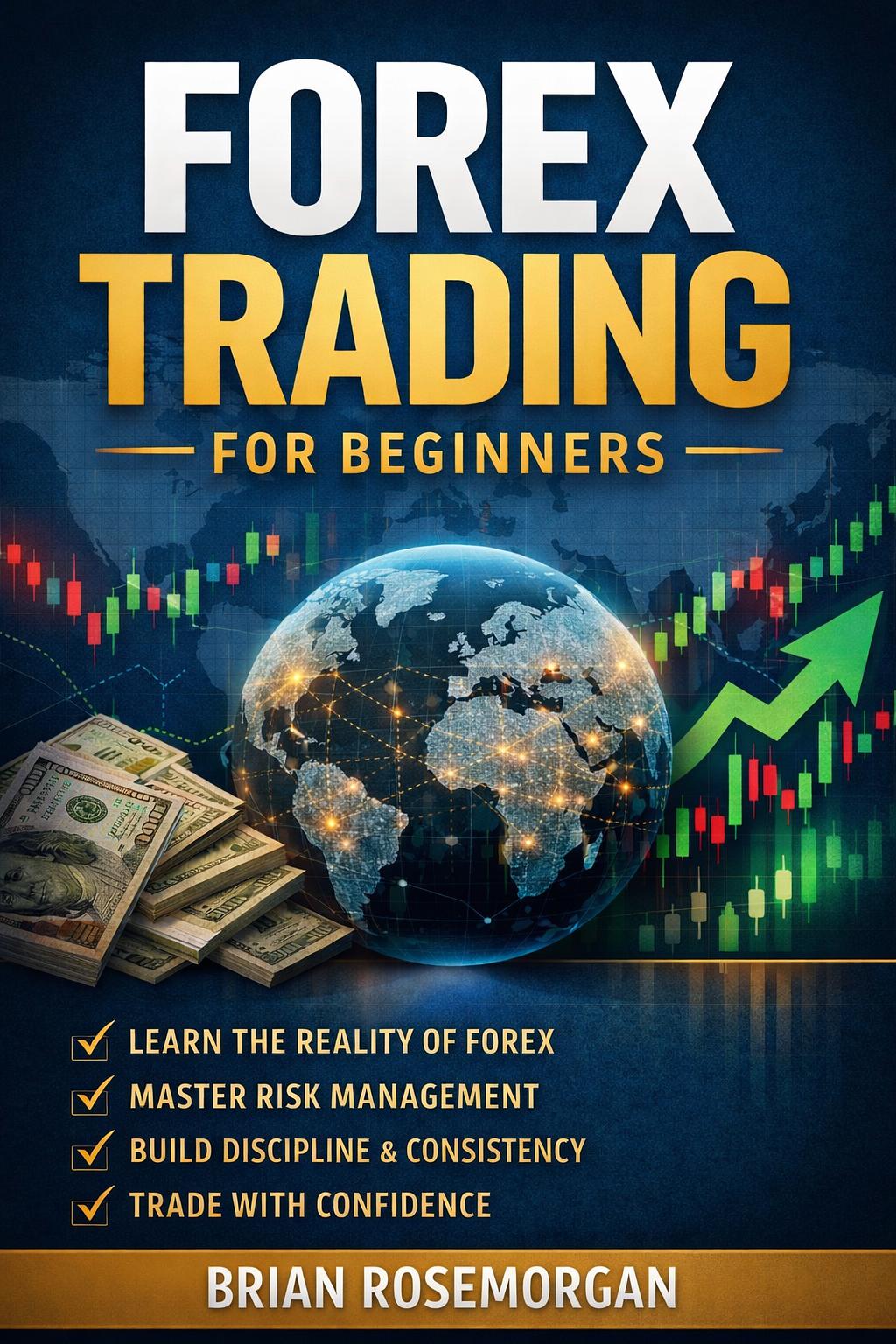
If you’ve enjoyed this free Academy, my book brings everything together in one structured beginner-friendly guide. It’s the perfect companion to the lessons you’ll complete here on TryBuying.
return to your lesson
Disclaimer: Forex trading and CFDs involve significant risk and may not be suitable for every investor. The information provided on this website is for educational purposes only and should not be considered financial, investment, or trading advice. Always verify that your broker is properly regulated before depositing funds, and practice on a demo account before trading with real money. Never risk money you cannot afford to lose. Past performance does not guarantee future results. Please read our full Risk Disclosure
relevent schama