
updated august 2026

Brian Rosemorgan
Retired Professional Trader | 8+ Years Experience | South Africa
Questions?
Understanding Swap Rates and Overnight Rollover Fees in Forex
Holding open positions past the New York session close introduces an operational cost that many beginner traders overlook entirely. Known as swap rates or overnight rollover fees, these charges represent the interest rate differential between the two currencies making up your traded pair.
Depending on whether you hold a long or short position, your account will either be debited or credited with swap interest at the end of every trading day. For swing traders holding positions across multiple days or weeks, accumulating negative rollover fees can silently eat into profit margins if not properly accounted for in your trading calculations.
Throughout this lesson, you will learn how interest rate differentials function behind the scenes, how brokers calculate daily rollover charges, and how to factor swap rates into your overall risk and position sizing strategy to protect your capital from unexpected operational costs.
1. What Are Forex Swap Rates?
Swap rates are interest payments calculated when holding currency positions overnight. Because trading forex involves borrowing one currency to buy another, you pay interest on the currency sold while earning interest on the currency bought. This daily adjustment reflects central bank rate differentials across global economies.
2. How Long Positions Earn or Pay Interest
When you go long on a currency pair with a higher benchmark interest rate compared to the quote currency, your broker credits your account daily. Conversely, buying a lower-yielding currency against a higher-yielding one results in a net interest debit deducted directly from your account balance.
3. Understanding Triple Swap Wednesdays
Because spot forex trades settle two business days later, rollover fees applied on Wednesday nights cover the upcoming weekend settlement. Consequently, brokers charge or credit triple the standard daily swap rate on Wednesday sessions, making position holding costs significantly higher mid-week.
4. The Impact of Swaps on Swing Trading
Day traders close all positions before the market close, completely avoiding overnight fees. However, swing traders holding positions for days or weeks must factor swap charges into their risk-reward calculations. Ignoring negative rollover rates can turn a profitable technical setup into a losing trade.
5. Finding and Managing Swap-Free Accounts
Many brokers offer Islamic or swap-free accounts for traders who cannot pay or receive overnight interest due to religious beliefs. Understanding how these special account types operate—often replacing swaps with administration fees after a specific holding period—helps you manage trading costs effectively.
Brian’s Expert Advice
During my active trading years, I learned early on never to ignore rollover fees on longer-term swing setups. I once held a multi-week position where negative swaps quietly drained a significant portion of my intended profit. Always check your broker’s swap rates before holding trades past the daily New York cutoff.
| Key Feature | What You Need to Know | Actionable Takeaway |
|---|---|---|
| Interest Rate Differential | Swaps reflect the gap between two central bank interest rates. | Check currency yield pairings before opening multi-day swing trades. |
| Triple Swap Settlement | Wednesday rollover fees are multiplied by three to account for weekends. | Expect larger balance deductions or additions every Wednesday night. |
| Day Trading vs Swing Trading | Intraday traders pay zero swaps; swing traders absorb ongoing costs. | Always close intraday orders or budget for swap fees in your plan. |
Frequently Asked Questions
1. What is a swap rate in forex trading?
A swap rate, or rollover fee, is the interest charged or earned for holding an open position overnight past the New York market close at 5:00 PM EST. It represents the net interest differential between the two currencies in the traded pair.
2. Why do brokers charge overnight rollover fees?
Brokers charge overnight fees because currency trades involve borrowing one currency to purchase another in the interbank market. Since central banks charge interest on loans, that cost or yield is passed onto retail traders maintaining positions past the daily settlement time.
3. How is a positive swap earned?
You earn a positive swap when you buy a currency with a higher interest rate and sell a currency with a lower interest rate. The broker credits your account daily for holding that yield differential, adding extra profit to your open trade.
4. Why is triple swap charged on Wednesdays?
Triple swap is charged on Wednesdays because spot forex trades have a standard T+2 settlement cycle. Holding a position across Wednesday night accounts for weekend settlement values, multiplying the daily rollover fee by three days.
5. Do day traders have to pay forex swap rates?
Day traders do not pay swap rates because they open and close all positions within the same trading session, well before the 5:00 PM EST rollover cutoff time. Rollover fees only impact positions held overnight.
6. How do I calculate my daily swap charges?
Daily swap charges depend on your trade lot size, the currency pair, and the broker’s current liquidity provider rates. You can view exact swap values directly within MetaTrader 4 or MetaTrader 5 by checking the contract specifications of any currency pair.
7. What is an Islamic or swap-free forex account?
An Islamic account is a specialized trading account compliant with Sharia law that incurs no overnight swap interest. Instead of charging traditional swaps, brokers often apply an administration fee if positions are held open past a specified number of days.
8. Can negative swaps turn a winning trade into a loss?
Negative swaps can erode your profits or turn a winning trade into a net loss if held over an extended period. Swing traders must calculate ongoing rollover costs alongside spreads and commissions before entering multi-week positions.
9. Where can I check live broker swap rates?
You can check live broker swap rates by right-clicking a currency pair in your MetaTrader Market Watch window, selecting ‘Symbols’, choosing the specific pair, and reviewing the properties tab for long and short swap values.
Brokers to Consider for Demo Trading
If you are learning forex risk management, I recommend starting with a demo account rather than rushing into live trading. When comparing brokers, look beyond advertised spreads and consider regulation, commissions, execution, platform availability, withdrawal conditions and customer support.
The brokers below are included because they offer demo-trading options. This section contains affiliate links, so I may receive a commission if you open an account through one of the links. This does not mean that either broker is suitable for every trader. Always research the broker yourself and verify its current regulatory status and trading conditions before opening an account.
XM
Demo account available
MT4 & MT5
Multiple account options
Educational resources
An option to investigate if you want to practise trading on demo while comparing its costs, platforms and account conditions with other brokers.
AvaTrade
Demo account available
MT4 & MT5
AvaTradeGO platform
Educational resources
Another option to investigate if you want to compare platforms, trading conditions and educational resources while practising on demo.
Important: Spreads, commissions, leverage and other trading conditions can change. Always check the broker’s current terms, costs, regulation and withdrawal requirements before opening an account.
Forex Trading for Beginners
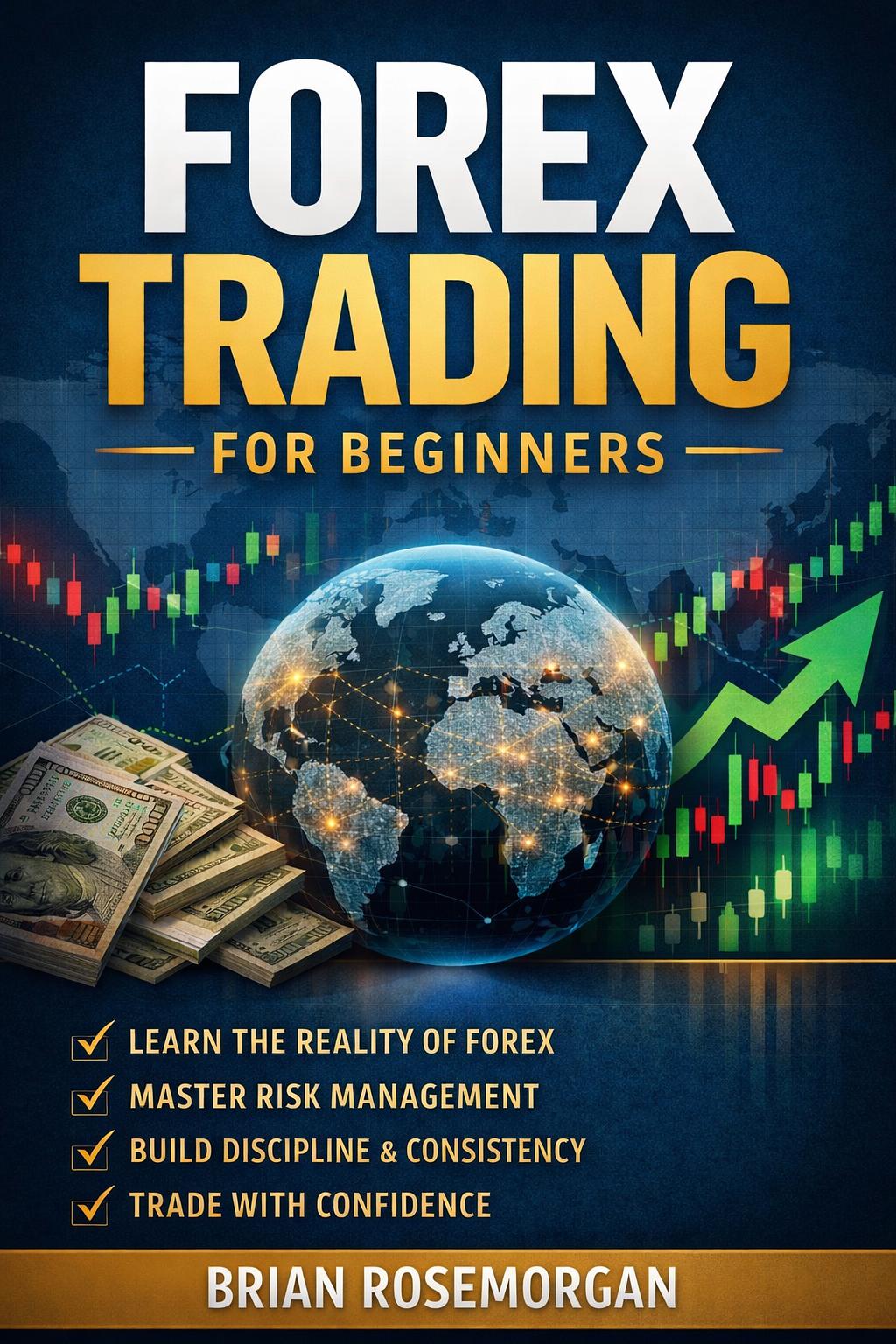
If you’ve enjoyed this free Academy, my book brings everything together in one structured beginner-friendly guide. It’s the perfect companion to the lessons you’ll complete here on TryBuying.
return to your lesson
Disclaimer: Forex trading and CFDs involve significant risk and may not be suitable for every investor. The information provided on this website is for educational purposes only and should not be considered financial, investment, or trading advice. Always verify that your broker is properly regulated before depositing funds, and practice on a demo account before trading with real money. Never risk money you cannot afford to lose. Past performance does not guarantee future results. Please read our full Risk Disclosure
relevent schama