
updated august 2026

Brian Rosemorgan
Retired Professional Trader | 8+ Years Experience | South Africa
Questions?
Forex Margin Requirements Explained: What Traders Need to Know
Navigating the mechanics of margin is essential for anyone trading the foreign exchange market. Margin acts as the vital link between your account equity and the total market exposure you control, functioning as a good-faith deposit required by your broker to keep your leveraged positions secure.
When you initiate a currency order, your broker locks up a specified portion of your funds as used margin. Understanding how margin requirements are calculated based on contract size and leverage ratios helps prevent unexpected trading interruptions and gives you precise control over your open market exposure.
Throughout this guide, you will master the mathematical formulas behind initial and maintenance margin, learn how to monitor free margin effectively, and discover structural rules to avoid dangerous account liquidations during unexpected market volatility.
1. The Core Definition of Forex Margin
Margin is not a fee or a cost of trading; it is a portion of your account equity set aside and locked by your broker as collateral. This security deposit ensures that you can cover potential floating losses while holding leveraged positions open in the global market.
2. Initial Margin vs. Maintenance Margin
Initial margin is the minimum capital required to open a new position, while maintenance margin is the baseline equity needed to keep that position active. If your account equity falls below the maintenance threshold due to market losses, your broker takes immediate defensive action.
3. Calculating Margin Requirements per Lot
Margin requirements scale directly with your contract size and leverage. For instance, controlling a standard 100,000-unit lot under a 1:100 leverage setting requires $1,000 in margin collateral. Understanding this calculation prevents you from accidentally over-leveraging your starting capital.
4. Used Margin vs. Free Margin Mechanics
Your total account equity is split into two categories: used margin, which secures your active trades, and free margin, which represents available funds for new positions or absorbing drawdowns. Monitoring free margin closely is vital for maintaining a healthy risk buffer.
5. The Danger of Over-Committing Margin
Locking up too much of your account equity into active trades leaves you vulnerable to sudden market reversals. Professional traders always keep a high percentage of free margin uncommitted to ensure they can weather normal market fluctuations without panic.
Brian’s Expert Advice
During my active trading years, I learned quickly that treating free margin like disposable spending money is a recipe for disaster. I once watched a trader commit 90% of their equity to margin on a single volatile news event, only to get wiped out instantly when spreads widened. Always leave plenty of breathing room in your account.
| Key Feature | What You Need to Know | Actionable Takeaway |
|---|---|---|
| Margin Collateral | Locks a fraction of equity to secure leveraged open positions. | Calculate exact margin needs before executing any order size. |
| Free Margin Buffer | Represents uncommitted equity available to absorb floating losses. | Keep position sizes moderate to maintain healthy free margin levels. |
| Leverage Impact | Higher leverage lowers the margin requirement required per lot. | Never let low margin requirements trick you into oversized risks. |
Frequently Asked Questions
1. What are forex margin requirements?
Forex margin requirements are the specific percentage of a trade’s total value that a broker requires you to deposit and hold as collateral to open and maintain a leveraged position. They vary depending on the currency pair, account type, and regulatory limits.
2. Is margin a fee charged by my broker?
Margin is never a fee or transaction cost. It is simply a good-faith deposit of your own capital that is temporarily locked by your broker while your trade remains open, and it is fully returned to your balance once the position is closed.
3. How do I calculate margin requirements for a trade?
You calculate margin requirements by dividing the total notional value of your trade by your account leverage ratio. For example, trading a 100,000-unit standard lot with 1:200 leverage requires $500 in used margin collateral.
4. What is the difference between used margin and free margin?
Used margin is the amount of equity currently locked up to keep your active trades open. Free margin is the remaining equity in your account that is not tied up as collateral, which you can use to open new trades or absorb drawdowns.
5. What happens when margin requirements change?
Brokers may increase margin requirements ahead of major economic announcements, central bank meetings, or weekends to protect against extreme market volatility. Higher margin requirements mean less free margin is available in your account.
6. How do lot sizes affect forex margin requirements?
Lot sizes directly scale your margin requirements. Standard lots (100,000 units) require the most margin, mini lots (10,000 units) require one-tenth of that amount, and micro lots (1,000 units) require the least, making them ideal for smaller accounts.
7. Can low margin requirements cause over-leveraging?
Low margin requirements can easily tempt traders into over-leveraging by making large positions look deceptively affordable. Opening oversized lots without proper stop losses can quickly drain your account equity during sudden market movements.
8. Where can I view my current margin status on MetaTrader?
You can view your current margin status at the bottom of the Terminal or Toolbox window in MetaTrader 4 and MetaTrader 5. It displays your balance, equity, used margin, free margin, and margin level percentage in real time.
9. How can I protect my account from margin depletion?
You can protect your account by keeping position sizes small, maintaining a low leverage ratio, placing strict stop-loss orders on every trade, and ensuring your account maintains a healthy cushion of free margin at all times.
Brokers to Consider for Demo Trading
If you are learning forex risk management, I recommend starting with a demo account rather than rushing into live trading. When comparing brokers, look beyond advertised spreads and consider regulation, commissions, execution, platform availability, withdrawal conditions and customer support.
The brokers below are included because they offer demo-trading options. This section contains affiliate links, so I may receive a commission if you open an account through one of the links. This does not mean that either broker is suitable for every trader. Always research the broker yourself and verify its current regulatory status and trading conditions before opening an account.
XM
Demo account available
MT4 & MT5
Multiple account options
Educational resources
An option to investigate if you want to practise trading on demo while comparing its costs, platforms and account conditions with other brokers.
AvaTrade
Demo account available
MT4 & MT5
AvaTradeGO platform
Educational resources
Another option to investigate if you want to compare platforms, trading conditions and educational resources while practising on demo.
Important: Spreads, commissions, leverage and other trading conditions can change. Always check the broker’s current terms, costs, regulation and withdrawal requirements before opening an account.
Forex Trading for Beginners
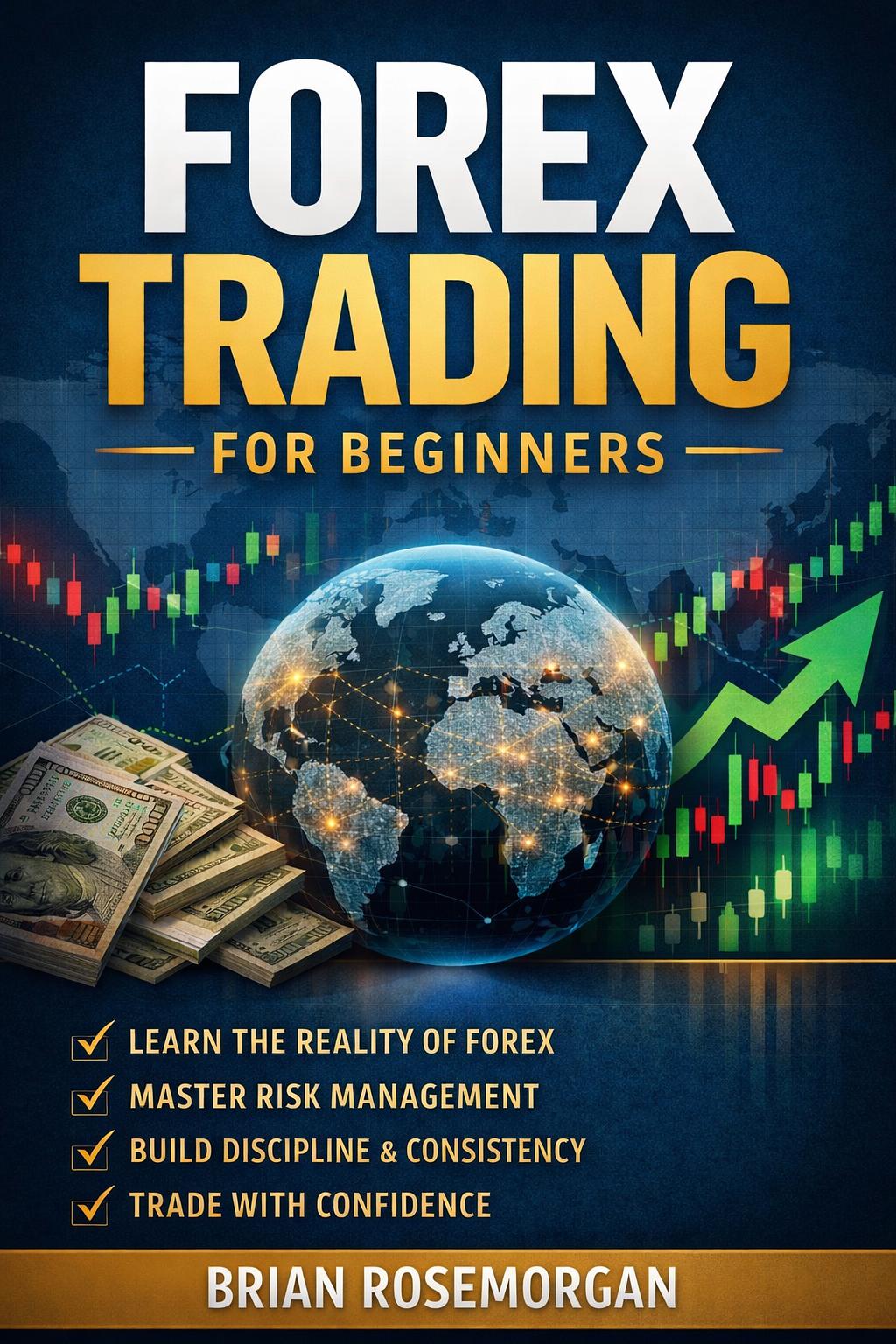
If you’ve enjoyed this free Academy, my book brings everything together in one structured beginner-friendly guide. It’s the perfect companion to the lessons you’ll complete here on TryBuying.
return to your lesson