
updated august 2026

Brian Rosemorgan
Retired Professional Trader | 8+ Years Experience | South Africa
Questions?
How Forex Prices Are Determined
Have you ever looked at a forex chart and wondered who actually decides that EUR/USD should be trading at a particular price? Forex prices are not simply chosen by one bank, broker or trader. They are constantly changing as buyers and sellers interact across the global currency market.
The price of a currency pair reflects the balance between buying and selling interest at any given moment. Banks, financial institutions, businesses, funds and individual traders all contribute to this activity. Economic information, interest rates, market sentiment and changes in supply and demand can also influence the prices being quoted.
In this lesson, you will learn how forex prices are formed, why currency prices move up and down, what buyers and sellers have to do with price movement, and why understanding the mechanics of price formation matters before risking real money in the forex market.
1. Forex Prices Come From Buyers and Sellers
At its simplest, forex price movement comes from buying and selling activity. When demand for a currency increases relative to its supply, its price can rise. When selling pressure becomes stronger, its price can fall. Millions of transactions take place around the world, continually changing the balance between buyers and sellers.
2. Why Forex Is Quoted in Currency Pairs
Forex currencies are always traded in pairs because you are exchanging one currency for another. In EUR/USD, for example, EUR is the base currency and USD is the quote currency. A price of 1.1000 means one euro is being valued at 1.10 US dollars at that moment.
3. How Banks and Financial Institutions Affect Prices
Large banks and financial institutions handle substantial amounts of currency transactions and provide liquidity to the market. Their buying and selling activity can influence available prices, particularly when large orders enter the market. However, no single participant normally controls the global forex market or determines every price.
4. Why Forex Prices Keep Moving
Forex prices change because the market is constantly receiving new information and reacting to it. Interest-rate expectations, economic reports, political developments, central-bank decisions and changing market sentiment can alter buying and selling pressure. Traders continually reassess the value of one currency compared with another, causing prices to move.
5. What Price Movement Means for a Trader
When a currency pair rises, the base currency is becoming stronger relative to the quote currency, based on that pair’s price. When it falls, the opposite is happening. Understanding this simple relationship helps beginners read charts correctly and avoid making trades without knowing what the price actually represents.
💡 Brian’s Expert Advice
When I first started trading, I was more interested in finding a trade than understanding what was actually moving the market. That was a mistake. Before putting your money at risk, make sure you understand what the price on your screen represents and why it can move. You do not need to predict every price movement. Your first job is to understand the market and protect your capital.
| Key Feature | What You Need to Know | Actionable Takeaway |
|---|---|---|
| Supply and Demand | Buying and selling pressure constantly influences currency prices. | Understand that price reflects the balance between buyers and sellers. |
| Currency Pairs | A forex price compares one currency against another. | Always identify the base and quote currency before trading. |
| Market Information | Economic and financial developments can change market expectations and buying or selling pressure. | Do not trade blindly. Understand the conditions affecting the market. |
Frequently Asked Questions
1. How are forex prices determined?
Forex prices are determined by the interaction of buyers and sellers in the global currency market. The balance between demand and supply continually changes, while banks, institutions, businesses and traders contribute to market activity. New economic and financial information can also change expectations and influence buying and selling pressure.
2. Who determines the price of a currency?
No single person or institution determines the global forex price. Prices emerge from trading activity across a worldwide network of banks, financial institutions, businesses and other market participants. The price you see on a trading platform represents a current market quotation available through the broker’s liquidity and execution arrangements.
3. Why do forex prices go up and down?
Forex prices rise and fall because the relative demand for one currency compared with another is constantly changing. Economic data, interest-rate expectations, central-bank decisions, political developments and market sentiment can all influence this demand. Traders react to new information, creating changes in buying and selling pressure.
4. What makes a currency stronger or weaker?
A currency can strengthen or weaken relative to another currency when market participants change their expectations about its economic and financial outlook. Interest rates, economic conditions, inflation, central-bank policy and investor confidence can all influence these expectations. Currency strength is always relative because forex is traded in pairs.
5. How does supply and demand affect forex prices?
When buying interest becomes stronger relative to selling interest, upward price pressure can develop. When selling interest becomes stronger, downward pressure can develop. Forex supply and demand are influenced by many participants and many different reasons, which is why currency prices can change continuously throughout active market conditions.
6. Why are currencies traded in pairs?
Currencies are traded in pairs because forex involves exchanging one currency for another. In EUR/USD, for example, the euro is the base currency and the US dollar is the quote currency. The quoted price tells you how much of the quote currency is needed to represent one unit of the base currency.
7. What does a forex price actually mean?
A forex price shows the value of one currency relative to another. For example, if EUR/USD is quoted at 1.1000, the market is quoting one euro at approximately 1.10 US dollars at that time. The price changes as market conditions and buying and selling activity change.
8. Do banks control forex prices?
Banks are major participants in the forex market and provide significant liquidity, so their activity can influence prices. However, it is misleading to say that one bank controls the global forex price. The market consists of many participants trading currencies for different reasons across a global financial network.
9. Why should beginners understand how forex prices are determined?
Understanding price formation gives beginners a more realistic view of what they are trading. It helps you understand currency pairs, price movement and market reactions instead of simply following signals. Before trading live, learn how the market works, practise on a demo account and make capital protection your priority.
“`html🛠 Brokers to Consider for Demo Trading
If you are learning forex risk management, I recommend starting with a demo account rather than rushing into live trading. When comparing brokers, look beyond advertised spreads and consider regulation, commissions, execution, platform availability, withdrawal conditions and customer support.
The brokers below are included because they offer demo-trading options. This section contains affiliate links, so I may receive a commission if you open an account through one of the links. This does not mean that either broker is suitable for every trader. Always research the broker yourself and verify its current regulatory status and trading conditions before opening an account.
XM
✔ Demo account available
✔ MT4 & MT5
✔ Multiple account options
✔ Educational resources
An option to investigate if you want to practise trading on demo while comparing its costs, platforms and account conditions with other brokers.
AvaTrade
✔ Demo account available
✔ MT4 & MT5
✔ AvaTradeGO platform
✔ Educational resources
Another option to investigate if you want to compare platforms, trading conditions and educational resources while practising on demo.
Important: Spreads, commissions, leverage and other trading conditions can change. Always check the broker’s current terms, costs, regulation and withdrawal requirements before opening an account.
📘 Forex Trading for Beginners
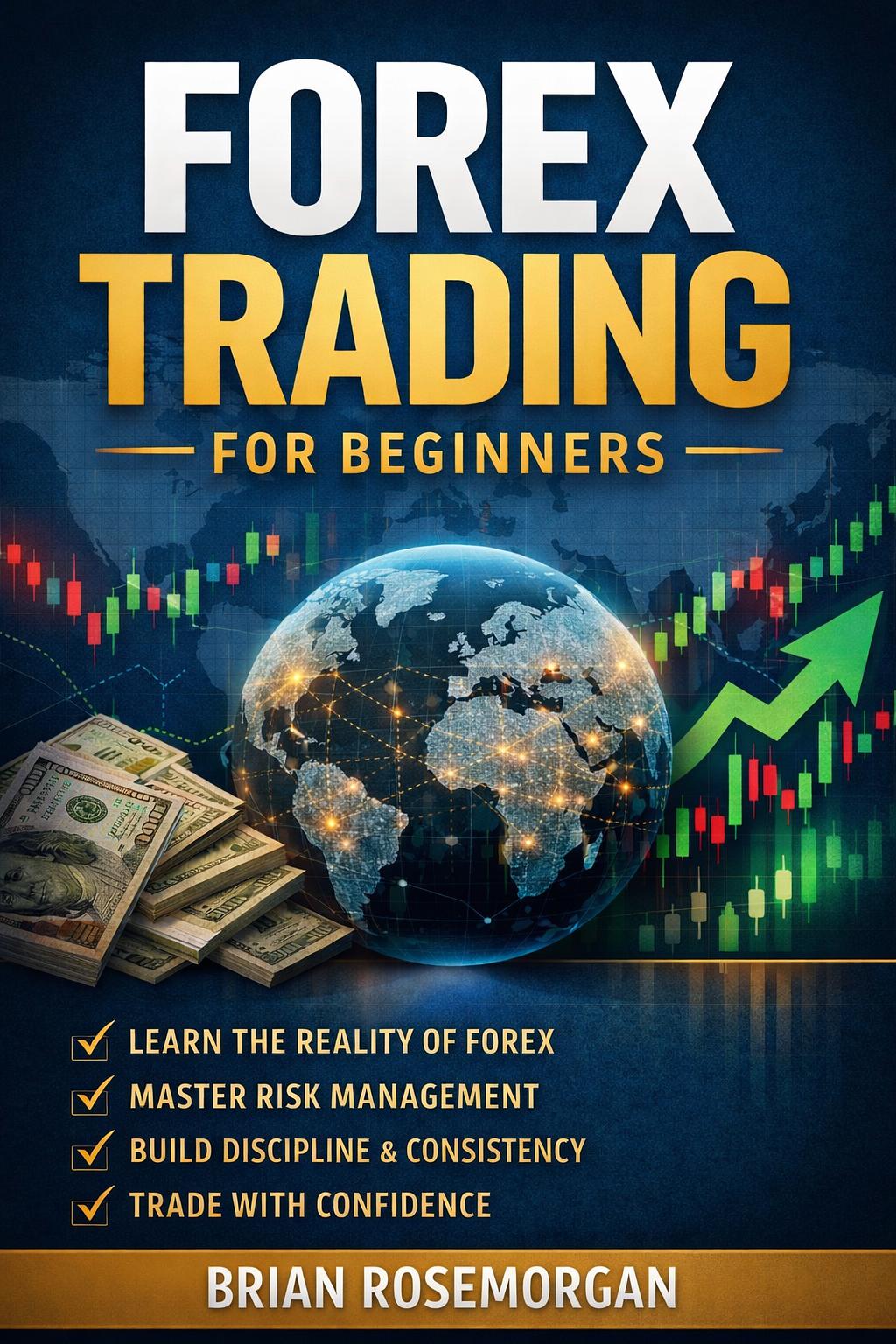
If you’ve enjoyed this free Academy, my book brings everything together in one structured beginner-friendly guide. It’s the perfect companion to the lessons you’ll complete here on TryBuying.
return to your lesson
Disclaimer: Forex trading and CFDs involve significant risk and may not be suitable for every investor. The information provided on this website is for educational purposes only and should not be considered financial, investment, or trading advice. Always verify that your broker is properly regulated before depositing funds, and practice on a demo account before trading with real money. Never risk money you cannot afford to lose. Past performance does not guarantee future results. Please read our full Risk Disclosure
relevent schama
“`