
updated august 2026

Brian Rosemorgan
Retired Professional Trader | 8+ Years Experience | South Africa
Questions?
How to Stop Revenge Trading in Forex: Protecting Your Capital From Emotional Spirals
Revenge trading remains one of the fastest ways to wipe out a forex account, triggered immediately after taking an unexpected loss. Instead of stepping back, frustrated traders often double down with oversized positions to win back their money instantly. Understanding this psychological trap is vital for anyone wanting long-term market survival.
When emotions take over, strict risk management rules vanish, turning calculated speculation into pure gambling. The market does not care about your previous losses or your desire to break even on the day. Recognizing the physiological signs of anger and frustration allows you to intervene before a single bad trade destroys weeks of disciplined progress.
Mastering this guide will teach you how to identify emotional triggers, enforce mandatory cool-down periods, and protect your hard-earned capital. You will learn actionable rules to stop chasing the market and build the unyielding discipline required of professional forex traders.
1. Recognizing the Psychological Trigger of Loss
Revenge trading begins the moment a loss causes an emotional spike of anger or denial. Your brain shifts into survival mode, craving immediate compensation. Recognizing this mental shift is your first line of defense against making impulsive, high-risk recovery trades in live currency markets.
2. The Danger of Increasing Lot Sizes
Traders trapped in a revenge cycle frequently increase their lot sizes to recover losses faster. This violates core capital protection rules by exposing a larger portion of equity to high volatility. True risk management demands consistent positioning regardless of your current account drawdown status.
3. Implementing a Mandatory Cool-Down Period
The most effective countermeasure to revenge trading is closing your trading platform immediately after consecutive losses. Stepping away for a fixed period clears adrenaline and cortisol from your system, ensuring you return to the charts with a calm, objective, and professional mindset.
4. Treating Losses as a Business Expense
Professional traders view losing trades as normal operating costs rather than personal failures. Accepting that drawdowns are a mathematical certainty in forex prevents the emotional attachment that drives revenge trading loops, keeping your focus strictly on probability, edge, and execution.
5. Sticking Strictly to Your Trading Plan
A well-defined trading plan acts as an emotional anchor during chaotic market sessions. When rules are written down and followed mechanically, there is no room left for impulsive revenge entries. Trust your system’s edge and let statistical probability work for you over hundreds of trades.
Brian’s Expert Advice
In my eight years trading live markets, I learned that my worst enemy was never the chart structure—it was my own ego. Early on, a single losing trade would sting so badly that I would try to claw the money back within minutes, doubling my risk and blowing weeks of gains. The turning point came when I instituted a strict rule: two consecutive losses mean the platform gets closed for the rest of the day. Capital preservation always beats the urge to fight the market.
| Key Feature | What You Need to Know | Actionable Takeaway |
|---|---|---|
| Emotional Awareness | Anger and frustration cloud technical judgment after a bad trade. | Step away immediately when feeling frustrated. |
| Risk Integrity | Increasing lot sizes to chase losses destroys accounts rapidly. | Maintain strict 1% risk rules per trade. |
| Systematic Limits | Daily loss limits prevent bad days from turning into account blowouts. | Enforce a hard stop-trading rule after losses. |
Frequently Asked Questions
1. What is revenge trading in forex?
Revenge trading happens when a trader enters impulsive positions immediately after a loss, driven by anger and the emotional desire to recover funds instantly. This behavior completely disregards technical analysis and sound risk management principles, often leading to massive, compounding account drawdowns.
2. How can I stop revenge trading immediately?
The quickest way to halt revenge trading is to close your MetaTrader platform and walk away from your computer screens. Enforce a mandatory cooling-off period of at least a few hours to let emotional intensity subside before analyzing any further market setups.
3. Why do traders double down after a loss?
Traders double down due to cognitive biases like loss aversion and ego protection. They view a market loss as a personal defeat that requires an immediate counter-attack, ignoring the statistical reality that the market does not owe them a recovery.
4. Can automated rules prevent revenge trading?
Yes, setting daily drawdown limits or utilizing expert advisors that lock your account after a set number of consecutive losses can remove human emotion from the equation entirely, protecting your capital from impulsive behavior.
5. What role does position sizing play in emotional control?
Proper position sizing ensures that a single loss is financially negligible and emotionally painless. When you risk only 1% of your account per trade, the sting of a loss is minimal, dramatically reducing the temptation to seek revenge.
6. How do professional traders handle consecutive losses?
Professional traders accept consecutive losses as a normal statistical variation of their trading edge. They review their journal objectively to check for execution errors rather than getting angry at market makers or currency pairs.
7. Is revenge trading a psychological or technical problem?
Revenge trading is strictly a psychological and discipline issue rather than a technical trading flaw. Even the most profitable trading strategy will fail if executed by a trader prone to emotional outbursts and broken risk rules.
8. How does daily journaling help cure revenge trading?
Keeping a detailed trading journal forces you to document your emotional state alongside technical metrics. Reviewing past entries highlights patterns of frustration, making you more conscious and disciplined during live market sessions.
9. Why is capital preservation more important than profit recovery?
Capital preservation ensures you live to trade another day. Trying to recover losses quickly through aggressive trading usually accelerates account destruction, whereas preserving your base capital keeps your trading business alive.
Brokers to Consider for Demo Trading
If you are learning forex risk management, I recommend starting with a demo account rather than rushing into live trading. When comparing brokers, look beyond advertised spreads and consider regulation, commissions, execution, platform availability, withdrawal conditions and customer support.
The brokers below are included because they offer demo-trading options. This section contains affiliate links, so I may receive a commission if you open an account through one of the links. This does not mean that either broker is suitable for every trader. Always research the broker yourself and verify its current regulatory status and trading conditions before opening an account.
XM
Demo account available
MT4 & MT5
Multiple account options
Educational resources
An option to investigate if you want to practise trading on demo while comparing its costs, platforms and account conditions with other brokers.
AvaTrade
Demo account available
MT4 & MT5
AvaTradeGO platform
Educational resources
Another option to investigate if you want to compare platforms, trading conditions and educational resources while practising on demo.
Important: Spreads, commissions, leverage and other trading conditions can change. Always check the broker’s current terms, costs, regulation and withdrawal requirements before opening an account.
Forex Trading for Beginners
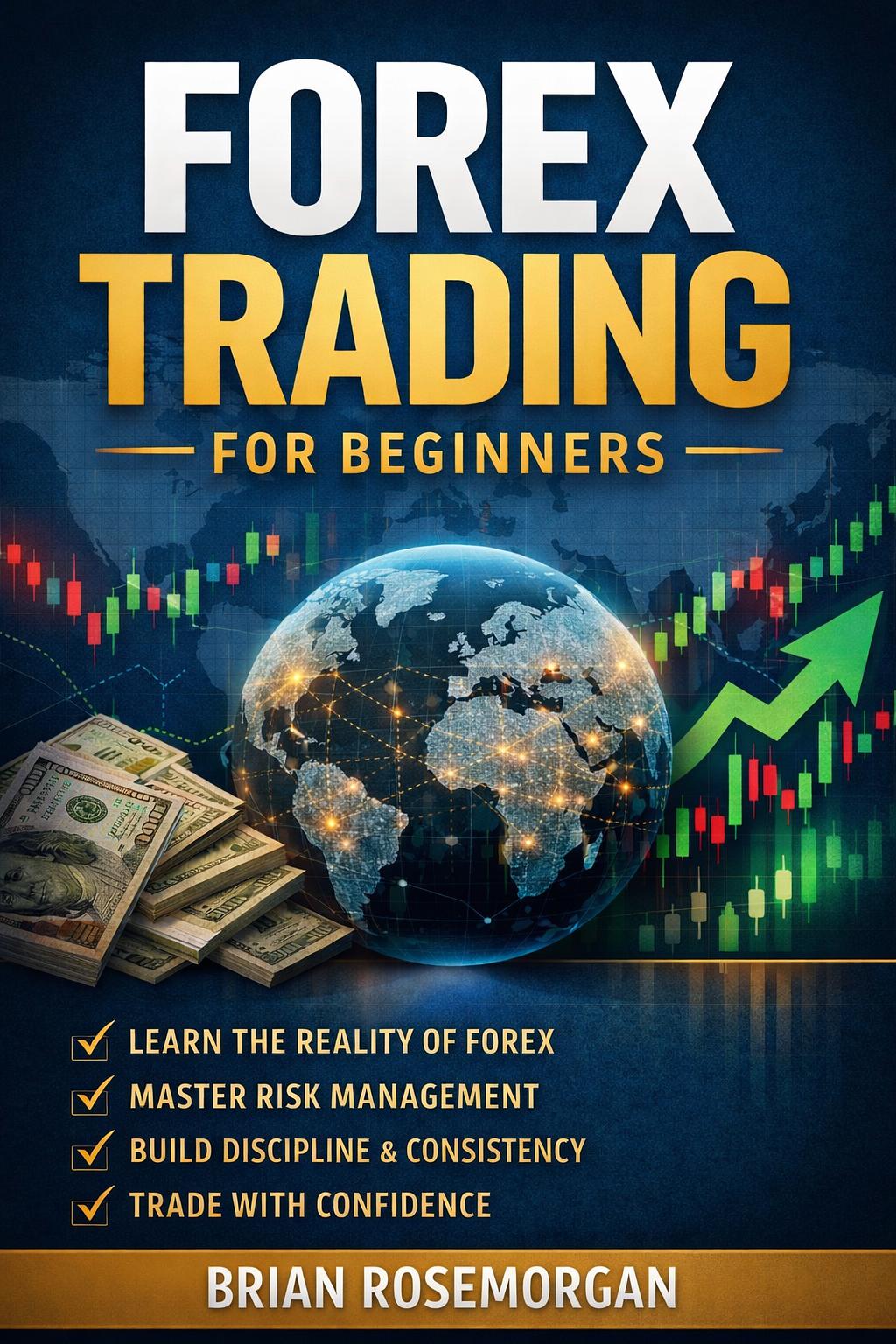
If you’ve enjoyed this free Academy, my book brings everything together in one structured beginner-friendly guide. It’s the perfect companion to the lessons you’ll complete here on TryBuying.
return to your lesson
Disclaimer: Forex trading and CFDs involve significant risk and may not be suitable for every investor. The information provided on this website is for educational purposes only and should not be considered financial, investment, or trading advice. Always verify that your broker is properly regulated before depositing funds, and practice on a demo account before trading with real money. Never risk money you cannot afford to lose. Past performance does not guarantee future results. Please read our full Risk Disclosure
relevent schama