
updated august 2026

Brian Rosemorgan
Retired Professional Trader | 8+ Years Experience | South Africa
Questions?
Trading Discipline Mindset Exercises: Building Mental Toughness in Forex
Developing an unyielding trading discipline mindset separates long-term surviving forex traders from those who routinely blow their accounts. Without structured mental exercises and strict operational rules, even the most sophisticated technical strategy will fail under the intense emotional pressure of live market fluctuations and drawdowns.
Mental toughness in forex trading is not an innate trait; it is a learned skill built through deliberate practice, routine adherence, and rigorous self-monitoring. Traders must condition their minds to accept uncertainty, treat losses as routine business expenses, and resist the temptation to deviate from their tested plans during volatile sessions.
Mastering this guide will introduce you to practical behavioral exercises designed to strengthen your psychological resilience. You will learn how to build unbreakable daily habits, manage stress effectively, and execute every trade with the calm precision of a professional market participant.
1. The Foundation of Psychological Consistency
Psychological consistency is built on repeating structured routines before every trading session. Just as athletes warm up before a match, forex traders must mentally prepare by reviewing rules, defining risk limits, and entering the charts with a calm, focused mindset free from external distractions.
2. Visualizing Adverse Market Scenarios
Mental rehearsal involves visualizing consecutive losses and market slippage before they happen in live trading. By proactively accepting worst-case scenarios ahead of time, you condition your nervous system to stay calm and follow your stop-loss rules when unexpected volatility hits.
3. Implementing Daily Post-Session Reviews
True discipline requires accountability through a detailed trading journal. Reviewing your executed orders at the end of each day helps identify emotional deviations, broken rules, and recurring psychological triggers, allowing you to correct bad habits before they compound into major losses.
4. Practicing Mechanical Detachment From Money
Viewing account balance fluctuations as numbers on a screen rather than personal wealth is vital for emotional control. When you focus entirely on execution quality and strict 1% risk management rather than monetary gain or loss, stress levels drop significantly.
5. Establishing Hard Daily Operating Limits
Protecting your mindset often means knowing when to walk away from the screens. Setting rigid rules regarding maximum daily losses and total screen time prevents mental fatigue and emotional burnout, ensuring your decision-making stays sharp throughout the trading week.
Brian’s Expert Advice
Throughout my eight years trading live markets, I realized that mental stamina is just as important as technical analysis. When I started treating trading like a disciplined corporate job rather than an emotional thrill ride, my results transformed completely. I instituted a pre-market checklist and a post-market review routine that I never skipped. Discipline isn’t about having superhuman willpower; it’s about building an environment and rules where bad decisions become impossible to execute.
| Key Feature | What You Need to Know | Actionable Takeaway |
|---|---|---|
| Routine Building | Consistent pre-market habits eliminate emotional decision-making. | Follow a strict checklist before opening charts. |
| Mental Resilience | Preparing for drawdowns prevents panic during active sessions. | Accept risk parameters completely before entering. |
| Daily Review | Journaling uncovers psychological weaknesses and execution flaws. | Audit every trade at the end of each session. |
Frequently Asked Questions
1. What are trading discipline mindset exercises?
Trading discipline mindset exercises are structured behavioral practices designed to strengthen emotional control, build mental toughness, and help forex traders adhere strictly to their risk management rules despite market stress and drawdowns.
2. How can I build mental toughness for forex trading?
You can build mental toughness by practicing pre-market routines, visualizing adverse market conditions, journaling your emotional states, and enforcing rigid daily operating limits that prevent fatigue-driven mistakes.
3. Why is mindset more important than technical strategy?
Even a high-probability technical strategy will fail if executed by an undisciplined trader who breaks stop-loss rules, chases losses, or yields to fear. Mindset governs execution quality and capital preservation.
4. How does daily journaling improve trading discipline?
Daily journaling provides objective data on your behavior, highlighting exact moments where emotions override logic. Reviewing these logs builds self-awareness and prevents the repetition of costly psychological errors.
5. Can beginners train their trading psychology on demo accounts?
Yes, demo accounts provide a risk-free environment to practice emotional control and test mechanical rules without the paralyzing fear of losing hard-earned capital during volatile market sessions.
6. How do professional traders handle market stress?
Professional traders manage stress by relying on mechanical rules, keeping position sizes small (such as risking 1% per trade), and stepping away from screens immediately when concentration begins to fade.
7. What is the role of pre-market routines in discipline?
Pre-market routines create a psychological barrier between everyday life and active trading. They prime your focus, review key levels, and ensure you enter the currency markets with clear, objective rules.
8. How do I stop letting losses affect my confidence?
By viewing losses as standard business operating expenses rather than personal failures, you protect your confidence. Every trading system experiences drawdowns as part of its statistical distribution.
9. Are mindset exercises effective for part-time traders?
Mindset exercises are exceptionally valuable for part-time traders who transition from high-stress daily jobs directly into evening market sessions, helping them decompress and focus clearly on chart structures.
Brokers to Consider for Demo Trading
If you are learning forex risk management, I recommend starting with a demo account rather than rushing into live trading. When comparing brokers, look beyond advertised spreads and consider regulation, commissions, execution, platform availability, withdrawal conditions and customer support.
The brokers below are included because they offer demo-trading options. This section contains affiliate links, so I may receive a commission if you open an account through one of the links. This does not mean that either broker is suitable for every trader. Always research the broker yourself and verify its current regulatory status and trading conditions before opening an account.
XM
Demo account available
MT4 & MT5
Multiple account options
Educational resources
An option to investigate if you want to practise trading on demo while comparing its costs, platforms and account conditions with other brokers.
AvaTrade
Demo account available
MT4 & MT5
AvaTradeGO platform
Educational resources
Another option to investigate if you want to compare platforms, trading conditions and educational resources while practising on demo.
Important: Spreads, commissions, leverage and other trading conditions can change. Always check the broker’s current terms, costs, regulation and withdrawal requirements before opening an account.
Forex Trading for Beginners
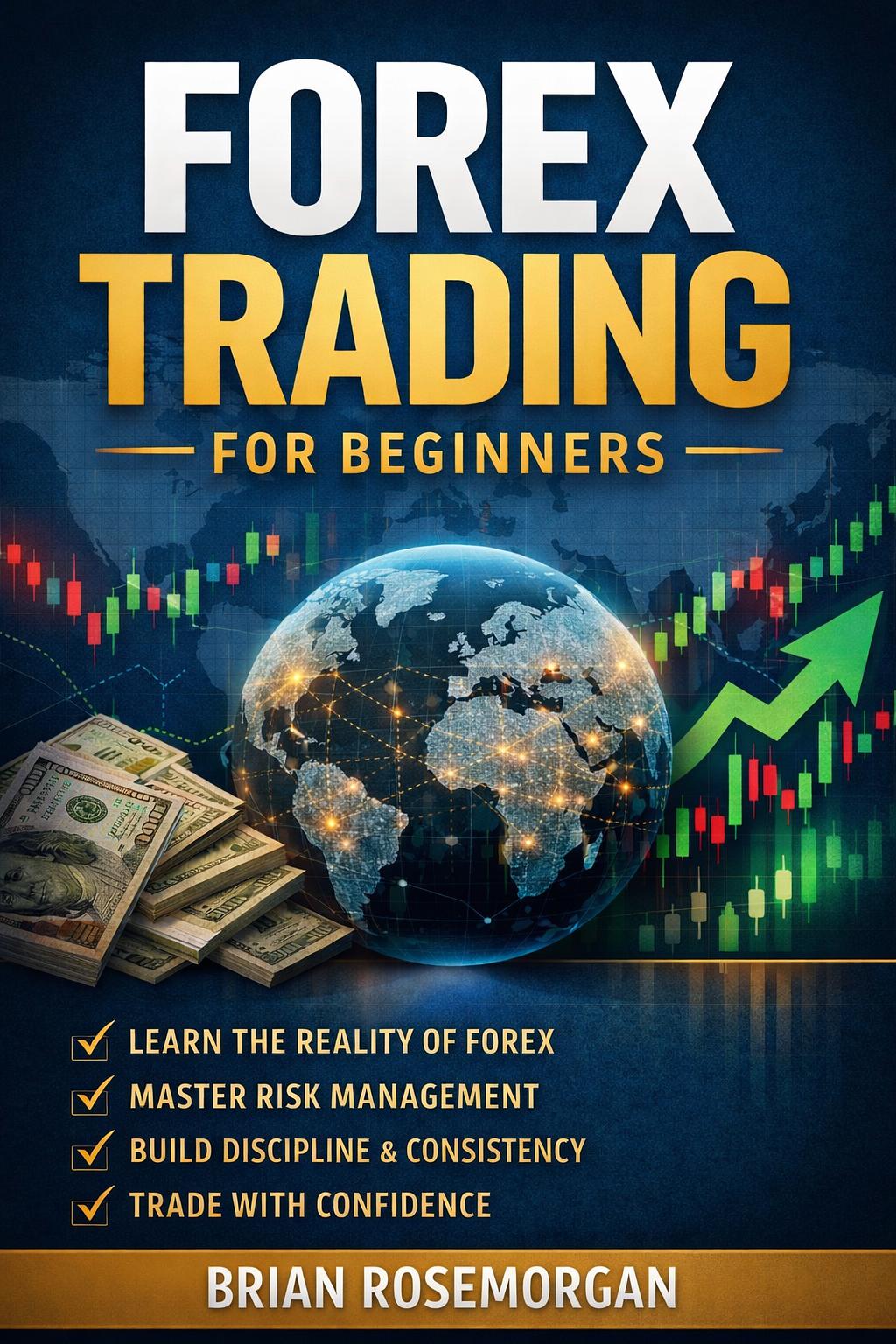
If you’ve enjoyed this free Academy, my book brings everything together in one structured beginner-friendly guide. It’s the perfect companion to the lessons you’ll complete here on TryBuying.
return to your lesson
Disclaimer: Forex trading and CFDs involve significant risk and may not be suitable for every investor. The information provided on this website is for educational purposes only and should not be considered financial, investment, or trading advice. Always verify that your broker is properly regulated before depositing funds, and practice on a demo account before trading with real money. Never risk money you cannot afford to lose. Past performance does not guarantee future results. Please read our full Risk Disclosure
relevent schama