
updated august 2026

Brian Rosemorgan
Retired Professional Trader | 8+ Years Experience | South Africa
Questions?
How to Use Moving Averages in Forex Trading
Moving averages are one of the simplest technical analysis tools a beginner can add to a forex chart. They help smooth out normal price fluctuations so you can see the underlying direction of the market more clearly. Instead of trying to predict every individual candle, a moving average gives you a clearer picture of whether price is generally moving higher, lower, or sideways.
There are several ways traders use moving averages in forex. They can help identify the direction of a trend, provide a reference for possible dynamic support or resistance, and help traders recognise changes in momentum. However, moving averages are calculated from previous prices, so they are lagging indicators. They should therefore be used as part of a trading process rather than treated as a signal that guarantees a profitable trade.
In this guide, you will learn how to read a moving average, how traders use moving averages to understand trends, how to choose a simple starting setup, and which common mistakes beginners should avoid. The aim is not to make your chart complicated, but to show you how moving averages can become a practical tool for understanding price action.
1. What Does a Moving Average Show?
A moving average calculates the average price over a selected number of periods and displays that average as a line on your chart. As new candles form, the calculation changes and the line moves. This smooths short-term price movements and makes the broader direction of the market easier to see.
2. How to Use Moving Averages to Identify a Trend
One of the most common uses of a moving average is trend identification. When price is consistently above a rising moving average, the market may be showing bullish conditions. When price remains below a falling moving average, bearish conditions may be developing. Always remember that the moving average follows price rather than predicting it.
3. Using Moving Averages as Dynamic Support and Resistance
A moving average can sometimes behave like dynamic support during an uptrend or dynamic resistance during a downtrend. Traders may watch how price reacts around the moving average. However, it is not a fixed support or resistance level, and price can move through it easily, particularly during strong volatility or sideways markets.
4. Which Moving Average Should a Beginner Use?
Beginners will often encounter Simple Moving Averages and Exponential Moving Averages. A Simple Moving Average gives equal weight to each price in the calculation, while an Exponential Moving Average gives greater weight to more recent prices. Neither is automatically better. The important point is understanding how your chosen average behaves.
5. Why Moving Averages Can Give False Signals
Moving averages work better when a market has a reasonably clear trend. During sideways or choppy conditions, price can repeatedly cross the moving average and produce signals that quickly fail. This is one reason beginners should avoid treating every moving-average cross or price touch as an automatic buy or sell signal.
💡 Brian’s Expert Advice
When I first started trading, I thought adding more indicators would make my decisions better. I eventually learned that the opposite can be true. Moving averages are useful because they keep things simple. I prefer using them to understand the direction of the market rather than treating them as a magic buy or sell signal. If you are learning, put a moving average on a demo chart, watch how price behaves around it, and give yourself time to understand what you are actually seeing before risking real money.
| Key Feature | What You Need to Know | Actionable Takeaway |
|---|---|---|
| Trend Direction | A rising or falling moving average can help you see the broader direction of price. | Use the slope and position of price to help assess the trend. |
| Dynamic Support & Resistance | Price can sometimes react around a moving average during a trend. | Watch price behaviour rather than assuming the moving average will hold. |
| Lagging Indicator | Moving averages are based on previous prices and therefore react after price has moved. | Use them for confirmation and market structure, not guaranteed predictions. |
Frequently Asked Questions
1. How do you use moving averages in forex trading?
Moving averages can be used to identify the general direction of a forex trend, observe possible dynamic support and resistance, and help confirm price movement. Beginners should avoid using them in isolation. A moving average works best as one part of a broader trading process that also considers price action, risk management and market conditions.
2. What is the best moving average for forex beginners?
There is no single best moving average for every forex trader. Simple Moving Averages and Exponential Moving Averages are both widely used. A beginner should first understand how each works and then test a consistent setting on a demo account rather than constantly changing the period to find a perfect signal.
3. What does a moving average tell you about the forex market?
A moving average helps show the general direction of price by smoothing out short-term fluctuations. A rising line can support the idea of an upward trend, while a falling line can indicate downward conditions. It does not predict the future with certainty because it is calculated from historical price data.
4. Can moving averages be used as support and resistance?
Yes. Traders sometimes use moving averages as dynamic support or resistance because price may react around the moving-average line during a trend. However, this behaviour is not guaranteed. Price can break through a moving average, particularly during strong market movements or periods when the market is moving sideways.
5. Should I use a Simple Moving Average or Exponential Moving Average?
A Simple Moving Average gives equal importance to the prices included in its calculation, while an Exponential Moving Average responds more quickly to recent prices. The choice depends on your strategy and trading timeframe. For beginners, understanding the difference is more important than searching for one universally superior moving average.
6. Are moving averages good for day trading forex?
Moving averages can be useful for day trading because they provide a simple way to monitor trend direction and momentum. However, shorter timeframes can contain considerable market noise. A moving average may produce repeated false signals when the market is ranging, so traders should test their approach carefully on demo before trading live.
7. Why do moving averages give false signals?
Moving averages are lagging indicators, which means they respond to previous price movement. In a sideways market, price can repeatedly move above and below the average, creating several signals that fail. This is why traders should consider the overall market structure and avoid automatically entering a trade every time price crosses a moving average.
8. How many moving averages should a beginner use?
A beginner does not need a chart covered with moving averages. Starting with one or two is often easier because you can concentrate on understanding price direction and behaviour. Adding more indicators does not automatically improve a strategy. A simple chart can make it easier to understand why a trade is being considered.
9. Can you make money using moving averages in forex?
Moving averages can form part of a profitable trading strategy, but they cannot guarantee profits. Trading results depend on the complete strategy, market conditions, risk management and discipline. Before using a moving-average strategy with real money, test it on historical charts and a demo account and establish how it performs over a meaningful sample of trades.
🛠 Brokers to Consider for Demo Trading
If you are learning how to use moving averages, I recommend starting with a demo account rather than rushing into live trading. When comparing brokers, look beyond advertised spreads and consider regulation, commissions, execution, platform availability, withdrawal conditions and customer support.
The brokers below are included because they offer demo-trading options. This section contains affiliate links, so I may receive a commission if you open an account through one of the links. This does not mean that either broker is suitable for every trader. Always research the broker yourself and verify its current regulatory status and trading conditions before opening an account.
XM
✔ Demo account available
✔ MT4 & MT5
✔ Multiple account options
✔ Educational resources
An option to investigate if you want to practise trading on demo while comparing its costs, platforms and account conditions with other brokers.
AvaTrade
✔ Demo account available
✔ MT4 & MT5
✔ AvaTradeGO platform
✔ Educational resources
Another option to investigate if you want to compare platforms, trading conditions and educational resources while practising on demo.
Important: Spreads, commissions, leverage and other trading conditions can change. Always check the broker’s current terms, costs, regulation and withdrawal requirements before opening an account.
📘 Forex Trading for Beginners
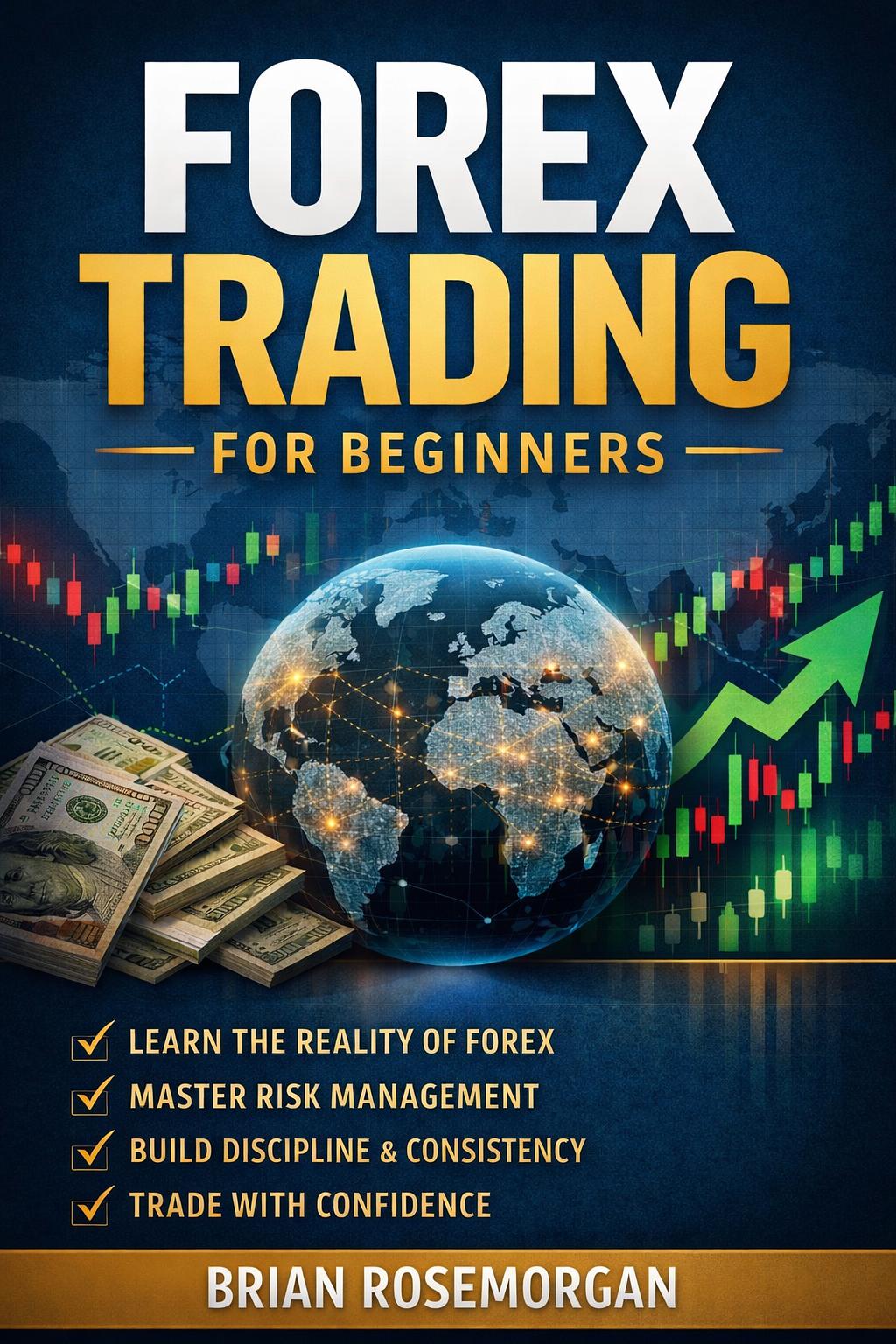
If you’ve enjoyed this free Academy, my book brings everything together in one structured beginner-friendly guide. It’s the perfect companion to the lessons you’ll complete here on TryBuying.
return to your lesson
Disclaimer: Forex trading and CFDs involve significant risk and may not be suitable for every investor. The information provided on this website is for educational purposes only and should not be considered financial, investment, or trading advice. Always verify that your broker is properly regulated before depositing funds, and practice on a demo account before trading with real money. Never risk money you cannot afford to lose. Past performance does not guarantee future results. Please read our full Risk Disclosure
relevent schama