
updated august 2026

Brian Rosemorgan
Retired Professional Trader | 8+ Years Experience | South Africa
Questions?
Moving Average: Simple vs Exponential — Which Is Better for Forex Trading?
When you start learning forex trading, you will quickly come across two popular types of moving averages: the Simple Moving Average (SMA) and the Exponential Moving Average (EMA). Both are designed to smooth price data and make the underlying market direction easier to see, but they calculate that average differently.
The main difference is how quickly each moving average reacts to recent price changes. A Simple Moving Average gives equal weight to the prices included in its calculation, while an Exponential Moving Average places greater weight on more recent prices. This means an EMA generally responds faster when the market changes direction, while an SMA tends to be smoother.
Neither moving average is automatically better for every forex trader. The right choice depends on what you are trying to understand, your trading timeframe and the type of strategy you are using. In this guide, we will compare SMA and EMA in simple terms and explain when each can be useful for a beginner.
1. What Is a Simple Moving Average?
A Simple Moving Average calculates the average closing price over a selected number of periods. For example, a 20-period SMA adds the closing prices of the most recent 20 candles and divides the total by 20. As each new candle appears, the oldest price drops from the calculation and the average updates.
2. What Is an Exponential Moving Average?
An Exponential Moving Average also calculates an average price, but it gives greater importance to more recent prices. Because of this weighting, an EMA normally responds more quickly to changes in price than an SMA using the same period. This can make an EMA useful when traders want a more responsive view of recent market movement.
3. SMA vs EMA: What Is the Main Difference?
The key difference between an SMA and EMA is responsiveness. The SMA treats the prices in its calculation more equally, producing a smoother line. The EMA gives greater weight to recent prices, so its line can react more quickly to changes. This difference becomes particularly noticeable when price changes direction quickly.
4. Is an EMA Better Than an SMA for Forex?
An EMA is not automatically better than an SMA. Its faster response can be useful when a trader wants to identify recent changes in momentum, but that responsiveness can also create more noise. An SMA may provide a smoother picture of the broader trend. The better choice depends on the strategy and market conditions.
5. Which Moving Average Should Beginners Start With?
Beginners should avoid constantly switching between indicators and settings in search of the perfect moving average. Start with one type, understand how it behaves on your chosen timeframe and practise using it on a demo account. Learning how price interacts with the moving average is more important than finding a supposedly perfect setting.
💡 Brian’s Expert Advice
I have used both Simple and Exponential Moving Averages during my years of trading, and one lesson became very clear to me: changing indicators every time a trade does not work is not a strategy. An EMA can react faster, but faster does not mean more accurate. I would rather have a simple system that I understand and have tested properly than a complicated chart full of indicators. If you are new to forex, practise both on demo and see how they behave before deciding which fits your trading approach.
| Key Feature | What You Need to Know | Actionable Takeaway |
|---|---|---|
| Simple Moving Average | Gives equal weight to the prices included in the calculation and generally produces a smoother line. | Useful when you want a simple view of the broader price trend. |
| Exponential Moving Average | Gives greater weight to recent prices and therefore normally reacts faster to new price movement. | Useful when you want a more responsive view of recent market conditions. |
| Trading Choice | Neither is universally better. Each has advantages and disadvantages depending on the strategy. | Choose one, test it properly and avoid constantly changing your settings. |
Frequently Asked Questions
1. What is the difference between SMA and EMA?
A Simple Moving Average gives equal importance to the prices included in its calculation, while an Exponential Moving Average gives greater weight to more recent prices. As a result, an EMA generally reacts faster to new price movements, while an SMA tends to be smoother. Both can be useful for forex analysis.
2. Is EMA better than SMA for forex trading?
EMA is not automatically better than SMA. An EMA reacts more quickly to recent price changes, which can be useful for some trading strategies, but it can also react to short-term market noise. An SMA is slower and smoother. The best choice depends on your strategy, timeframe and how you use the indicator.
3. Which moving average is best for beginners?
There is no single moving average that is best for every beginner. An SMA is simple to understand, while an EMA can provide a more responsive view of recent price movement. Beginners should learn how both work, choose a consistent approach and test it on a demo account before risking real money.
4. Why does an EMA react faster than an SMA?
An EMA reacts faster because its calculation gives greater weight to recent prices. When the latest price changes significantly, that price has a stronger influence on the EMA than it would have on an SMA. This allows the EMA to move more quickly when market conditions change.
5. What is a 20 EMA in forex trading?
A 20 EMA is an Exponential Moving Average calculated using 20 price periods. Traders may use it to monitor short- to medium-term market direction, depending on the chart timeframe. The 20 EMA does not predict where price will go next; it simply provides a calculated reference based on previous prices.
6. What is a 50 SMA in forex trading?
A 50 SMA calculates the average price over the most recent 50 periods. Traders often use longer moving averages such as the 50-period SMA to help assess broader market direction. The meaning of a 50 SMA changes depending on the chart timeframe, so the same indicator can represent very different periods of market activity.
7. Can I use both SMA and EMA together?
Yes. Some trading strategies use both types of moving average to compare a smoother trend reference with a more responsive one. However, adding indicators does not automatically improve a strategy. Beginners should first understand each moving average separately and then test any combined approach thoroughly on historical charts and demo accounts.
8. Does a moving average predict the forex market?
No. Moving averages are calculated from historical price data, which means they are lagging indicators. They can help traders understand trend direction and changes in momentum, but they cannot reliably predict the future. This is why a moving average should be treated as a trading tool rather than a guaranteed forecasting system.
9. Should beginners use EMA or SMA for day trading?
Either can be used for day trading, but the choice depends on the trader’s strategy. An EMA may react faster to intraday price changes, while an SMA can provide a smoother trend reference. Beginners should test their chosen moving average on demo and focus on consistency rather than assuming one indicator guarantees better results.
“`html🛠 Brokers to Consider for Demo Trading
If you are learning the difference between Simple and Exponential Moving Averages, I recommend starting with a demo account rather than rushing into live trading. When comparing brokers, look beyond advertised spreads and consider regulation, commissions, execution, platform availability, withdrawal conditions and customer support.
The brokers below are included because they offer demo-trading options. This section contains affiliate links, so I may receive a commission if you open an account through one of the links. This does not mean that either broker is suitable for every trader. Always research the broker yourself and verify its current regulatory status and trading conditions before opening an account.
XM
✔ Demo account available
✔ MT4 & MT5
✔ Multiple account options
✔ Educational resources
An option to investigate if you want to practise trading on demo while comparing its costs, platforms and account conditions with other brokers.
AvaTrade
✔ Demo account available
✔ MT4 & MT5
✔ AvaTradeGO platform
✔ Educational resources
Another option to investigate if you want to compare platforms, trading conditions and educational resources while practising on demo.
Important: Spreads, commissions, leverage and other trading conditions can change. Always check the broker’s current terms, costs, regulation and withdrawal requirements before opening an account.
📘 Forex Trading for Beginners
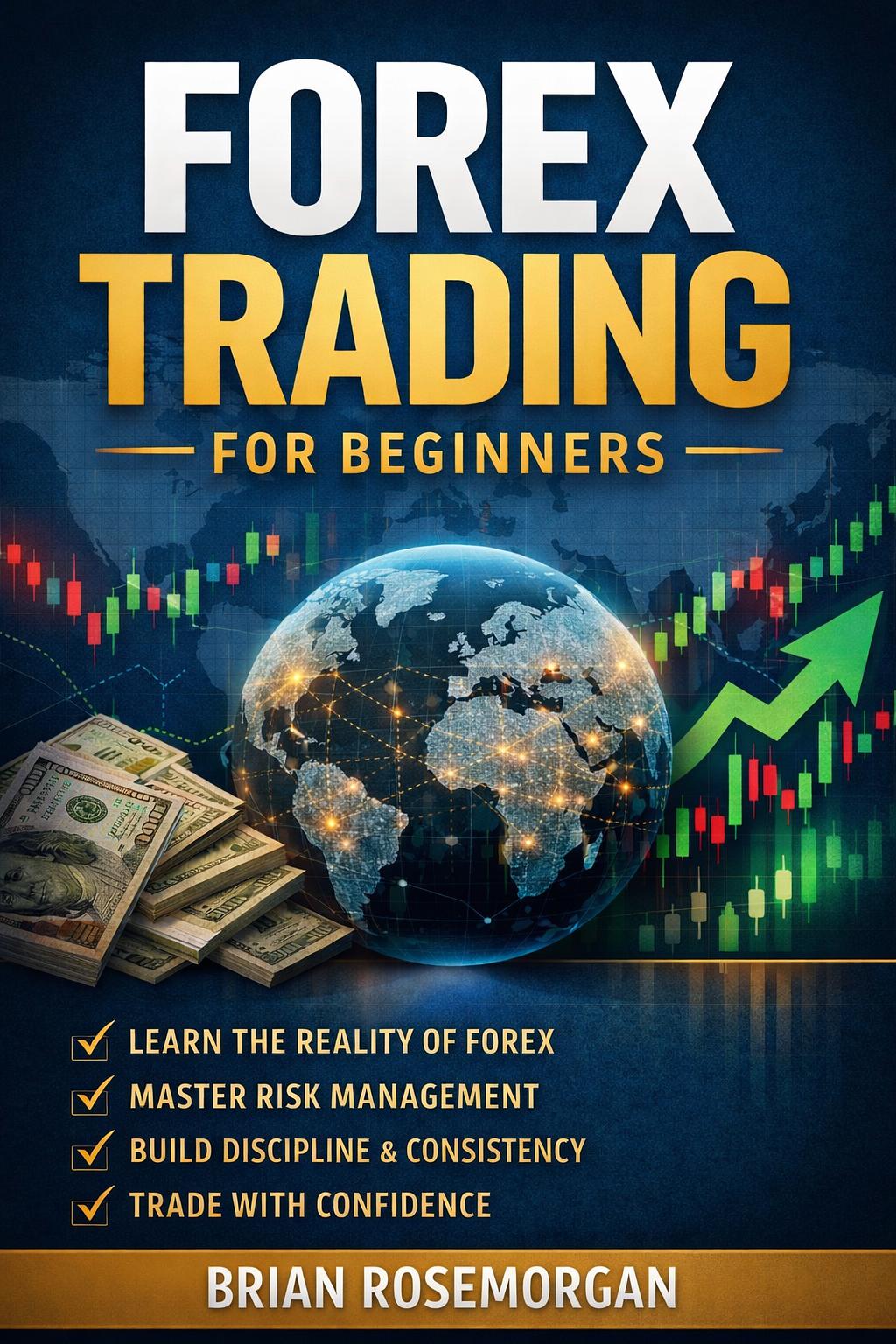
If you’ve enjoyed this free Academy, my book brings everything together in one structured beginner-friendly guide. It’s the perfect companion to the lessons you’ll complete here on TryBuying.
return to your lesson
Disclaimer: Forex trading and CFDs involve significant risk and may not be suitable for every investor. The information provided on this website is for educational purposes only and should not be considered financial, investment, or trading advice. Always verify that your broker is properly regulated before depositing funds, and practice on a demo account before trading with real money. Never risk money you cannot afford to lose. Past performance does not guarantee future results. Please read our full Risk Disclosure
relevent schama
“`