
updated august 2026

Brian Rosemorgan
Retired Professional Trader | 8+ Years Experience | South Africa
Questions?
How to Trade Moving Average Crossovers in Forex
A moving average crossover happens when one moving average crosses another moving average on a forex chart. Traders often watch these crossovers because they can provide a simple way of identifying a possible change in market direction or momentum. They are particularly popular because the basic idea is easy for beginners to understand.
A common crossover uses a faster moving average and a slower moving average. When the faster average moves above the slower average, traders may interpret this as a possible bullish signal. When it moves below the slower average, it may suggest bearish conditions. However, a crossover is based on previous price data and can therefore occur after part of the move has already happened.
In this guide, you will learn how moving average crossovers work, how traders interpret bullish and bearish crossovers, how to avoid common crossover mistakes and why market conditions matter. Most importantly, you will learn why a crossover should be tested as part of a complete trading strategy rather than treated as an automatic buy or sell signal.
1. What Is a Moving Average Crossover?
A moving average crossover occurs when two moving averages with different periods cross each other. The faster moving average responds more quickly to recent price changes, while the slower moving average changes more gradually. Traders watch the relationship between the two lines to help assess whether market momentum may be changing.
2. What Is a Bullish Moving Average Crossover?
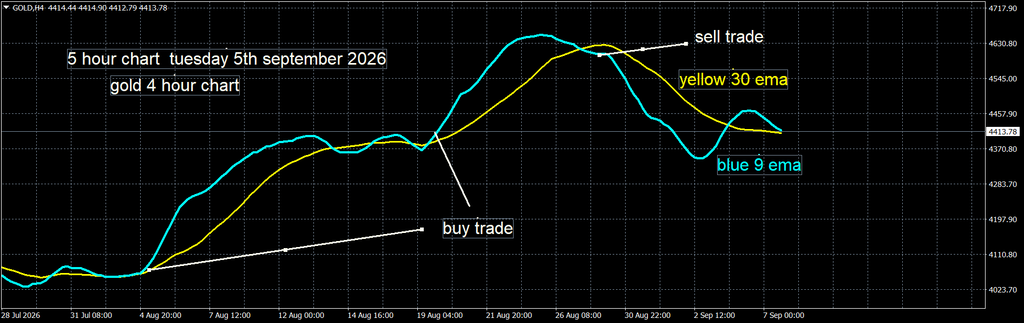
A bullish crossover occurs when a faster moving average crosses above a slower moving average. Traders may interpret this as evidence that upward momentum is increasing. However, it is not a guarantee that price will continue higher. The crossover should be considered alongside the broader trend and other evidence before entering a trade.
3. What Is a Bearish Moving Average Crossover?
A bearish crossover occurs when a faster moving average crosses below a slower moving average. This can suggest that downward momentum is developing. Like a bullish crossover, it is a lagging signal and can produce false signals. A trader should not assume that every bearish crossover will result in a sustained downtrend.
4. Why Moving Average Crossovers Can Fail
Crossovers tend to struggle when the market is moving sideways. Price may repeatedly move above and below the moving averages, creating several apparent buy and sell signals that quickly reverse. This is known as market noise. Understanding the overall market condition is therefore just as important as identifying the crossover itself.
5. How Beginners Should Test a Crossover Strategy
A beginner should never assume that a crossover strategy will make money simply because it looks good on a chart. Test the exact moving averages, timeframe, entry rules, exit rules and risk management on historical data and a demo account. Keep records of the results so you can judge the strategy using evidence rather than emotion.
💡 Brian’s Expert Advice
Moving average crossovers were one of the approaches I experimented with during my trading years. The biggest mistake I see beginners make is believing that the crossover itself is the whole strategy. It isn’t. You still need to decide when to enter, where the trade is invalidated, how much you are prepared to risk and when you will exit. I learned that keeping the rules simple and testing them properly is far more useful than constantly adding indicators to try to remove every losing trade.
| Key Feature | What You Need to Know | Actionable Takeaway |
|---|---|---|
| Bullish Crossover | A faster moving average crosses above a slower moving average. | Treat it as possible bullish evidence, not an automatic buy signal. |
| Bearish Crossover | A faster moving average crosses below a slower moving average. | Look for supporting evidence before considering a short trade. |
| Sideways Market | Price can repeatedly cross the moving averages and create false signals. | Identify the market condition before relying on a crossover. |
Frequently Asked Questions
1. What is a moving average crossover in forex?
A moving average crossover occurs when one moving average crosses another moving average with a different period. Traders commonly use a faster and slower moving average. The crossover can provide information about changing momentum or possible trend direction, but because moving averages use historical price data, the signal can lag behind the market.
2. What is a bullish moving average crossover?
A bullish moving average crossover happens when a faster moving average crosses above a slower moving average. Traders may see this as a possible sign that upward momentum is developing. However, it should not be treated as a guaranteed buy signal because crossovers can fail, particularly when the market is ranging.
3. What is a bearish moving average crossover?
A bearish moving average crossover happens when a faster moving average crosses below a slower moving average. This may indicate increasing downward momentum. However, the crossover is based on previous prices and can occur after the market has already moved. Traders should consider the broader trend and their risk rules before entering.
4. What moving averages are best for crossover trading?
There is no single pair of moving averages that is best for every forex trader. Different combinations can produce different signals depending on the timeframe and strategy. Beginners should choose a clearly defined combination, test it thoroughly and avoid changing the settings simply because the previous trade produced a loss.
5. Is a moving average crossover a good trading strategy?
A moving average crossover can form part of a trading strategy, but the crossover alone is not enough. A complete strategy needs defined entry and exit rules, risk management and conditions for avoiding poor market environments. Historical testing and demo trading can help determine whether a particular crossover approach suits your trading style.
6. Why do moving average crossovers give false signals?
Crossovers can give false signals because moving averages respond to historical prices rather than predicting future movement. Sideways markets are particularly difficult because price may repeatedly cross the averages without developing a sustained trend. This can create several losing trades if every crossover is treated as an automatic entry.
7. Can moving average crossovers be used for day trading?
Yes, moving average crossovers can be used on shorter timeframes for day trading. However, lower timeframes can contain more market noise, which may increase the number of false signals. A strategy that looks attractive on a chart should be tested carefully before being used with real money.
8. Should I use a moving average crossover by itself?
Beginners should be cautious about using a crossover by itself. A crossover can tell you that the relationship between two moving averages has changed, but it does not tell you everything about the market. Trend structure, support and resistance, volatility and risk management can all affect whether a trade makes sense.
9. How do I test a moving average crossover strategy?
Start by writing down precise rules for the moving averages, entry, stop loss, profit target and position size. Test those rules on historical charts and then use a demo account. Record every trade and review the results over a meaningful number of trades. This gives you evidence instead of relying on a few successful examples.
🛠 Brokers to Consider for Demo Trading
If you are learning moving average crossover trading, I recommend starting with a demo account rather than rushing into live trading. When comparing brokers, look beyond advertised spreads and consider regulation, commissions, execution, platform availability, withdrawal conditions and customer support.
The brokers below are included because they offer demo-trading options. This section contains affiliate links, so I may receive a commission if you open an account through one of the links. This does not mean that either broker is suitable for every trader. Always research the broker yourself and verify its current regulatory status and trading conditions before opening an account.
XM
✔ Demo account available
✔ MT4 & MT5
✔ Multiple account options
✔ Educational resources
An option to investigate if you want to practise trading on demo while comparing its costs, platforms and account conditions with other brokers.
Open Free Demo →
AvaTrade
✔ Demo account available
✔ MT4 & MT5
✔ AvaTradeGO platform
✔ Educational resources
Another option to investigate if you want to compare platforms, trading conditions and educational resources while practising on demo.
Open Free Demo →
Important: Spreads, commissions, leverage and other trading conditions can change. Always check the broker’s current terms, costs, regulation and withdrawal requirements before opening an account.
📘 Forex Trading for Beginners

If you’ve enjoyed this free Academy, my book brings everything together in one structured beginner-friendly guide. It’s the perfect companion to the lessons you’ll complete here on TryBuying.
return to your lesson
Disclaimer: Forex trading and CFDs involve significant risk and may not be suitable for every investor. The information provided on this website is for educational purposes only and should not be considered financial, investment, or trading advice. Always verify that your broker is properly regulated before depositing funds, and practice on a demo account before trading with real money. Never risk money you cannot afford to lose. Past performance does not guarantee future results. Please read our full Risk Disclosure
relevent schama