
Updated August 2026

Brian Rosemorgan
Retired Professional Trader | 8+ Years Experience | South Africa
Questions?
Forex Broker Safety in South Africa: The Complete Beginner Safety Checklist
Choosing a forex broker is one of the most important decisions a beginner trader can make. A broker holds your trading funds, provides access to the forex market and determines many of the trading conditions you will work with. For South African traders, checking regulation and understanding how to verify a broker can help reduce the risk of dealing with an unreliable or fraudulent company.
Broker safety involves more than simply looking for a licence or choosing a broker because it advertises low spreads. You should also consider regulation, client-fund protection, withdrawal procedures, trading conditions, transparency, customer support and the broker’s reputation. A professional-looking website does not automatically mean that a broker is trustworthy.
In this guide, you will learn how to check a forex broker before depositing money, recognise common warning signs, understand why FSCA regulation matters to South African traders and use a simple safety checklist before opening a live account. The goal is not to tell you which broker to choose, but to help you make a more informed decision.
1. Check Whether the Forex Broker Is Regulated
The first step is to determine whether the broker is regulated by a recognised financial authority. South African traders should pay particular attention to the Financial Sector Conduct Authority (FSCA) and independently verify the broker’s regulatory information. Do not rely only on a licence number displayed on the broker’s website.
2. Verify the Broker’s Licence Independently
A genuine broker should provide enough information for you to identify the legal entity behind the trading service. Check the regulator’s official records rather than assuming that a licence number is genuine. Also make sure the regulated company name matches the company with which you are actually opening an account.
3. Understand How Your Money Is Protected
Before depositing funds, understand where your money is held, how withdrawals work and what protections may apply to clients. Regulation does not mean that trading is risk-free or that every loss is covered. Read the broker’s client agreement, funding rules and withdrawal conditions before committing real money.
4. Look for Forex Broker Scam Warning Signs
Be cautious if a broker promises guaranteed profits, pressures you to deposit quickly, offers unrealistic returns or makes it difficult to understand its fees and trading conditions. Aggressive sales calls, unexplained withdrawal restrictions and unverifiable regulatory claims should also be treated as warning signs.
5. Test the Broker Before Depositing Real Money
Beginners should consider opening a demo account before committing real funds. This allows you to test the trading platform, customer support and general trading environment without immediately risking your capital. If you later decide to trade live, start cautiously and make a small withdrawal test where appropriate.
💡 Brian’s Expert Advice
After more than eight years of trading, one lesson I would strongly pass on to beginners is this: do not choose a broker simply because somebody promises you that you can make money quickly. Your first priority should be protecting your trading capital.
I would rather spend extra time checking regulation, reading the broker’s conditions and testing a demo account than rush into a live account. A good broker should be transparent about its costs, regulations, platforms and withdrawal procedures.
Remember that choosing a regulated broker does not make forex trading safe or guarantee profits. It simply gives you an important starting point for checking who you are dealing with. You still need good risk management and trading discipline.
| Key Feature | What You Need to Know | Actionable Takeaway |
|---|---|---|
| Regulation | A regulated broker is subject to oversight by the relevant financial authority. | Verify the broker independently through the regulator’s official records. |
| Client Funds | Understand how the broker handles deposits, withdrawals and client funds. | Read the broker’s account and withdrawal conditions before depositing. |
| Scam Warning Signs | Guaranteed profits, pressure tactics and unclear regulation are major warning signs. | Walk away if the broker uses high-pressure or unrealistic promises. |
Complete Forex Broker Safety Guide for South African Beginners
A safe broker-checking process should be completed before you deposit real money. The following checklist provides a practical way to evaluate a broker step by step.
Step 1: Identify the Legal Company
Find the exact legal name of the company providing your trading account. A broker may operate under different company names in different countries, so make sure you know which legal entity will hold your account.
Step 2: Check Regulatory Information
Look for the broker’s regulatory information and verify it independently. For South African traders, this means checking the relevant FSCA information rather than relying solely on information supplied by the broker.
Step 3: Compare Trading Conditions
Review spreads, commissions, leverage, minimum deposits and other account conditions. Low advertised spreads should not be the only reason you choose a broker. Consider the overall cost and suitability of the account.
Step 4: Read the Withdrawal Conditions
Before depositing, understand how withdrawals work. Check supported withdrawal methods, verification requirements, processing times and any relevant restrictions or fees.
Step 5: Test Customer Support
Contact customer support with a simple question before opening a live account. Pay attention to how quickly and clearly the company responds. Poor communication before you become a client can be a warning sign.
Step 6: Open a Demo Account
A demo account allows you to become familiar with the platform and trading environment without immediately risking real money. It is particularly useful for beginners who are still learning how forex trading works.
Step 7: Never Let a Broker Pressure You
A legitimate trading decision should not require you to act immediately because a salesperson says an opportunity will disappear. Take time to investigate the company and understand the risks before depositing money.
Common Forex Broker Safety Mistakes Beginners Make
Choosing a Broker Because of a Bonus
Promotional bonuses can attract beginners, but they should never be the main reason for choosing a broker. Always investigate regulation, costs, withdrawal rules and trading conditions first.
Trusting Online Reviews Without Checking the Facts
Reviews can be useful, but online comments are not proof that a broker is regulated or safe. Use reviews as one source of information and verify important claims independently.
Depositing Too Much Money Initially
New traders should avoid depositing more money than they can afford to lose. Start cautiously, learn the platform and understand the broker’s withdrawal process before increasing your exposure.
Assuming Regulation Means No Risk
Regulation is an important part of broker due diligence, but it does not remove the financial risks of forex trading. A regulated broker cannot guarantee that your trading strategy will make money.
Continue Learning About Forex Brokers
Once you understand broker safety, these related beginner guides can help you continue your research:
More Forex Beginner Resources
Broker safety is only one part of becoming a responsible forex trader. You should also understand the difference between skill and gambling, the legal position of forex trading in South Africa and how risk management affects your trading capital.
Brian’s Forex Broker Safety Q&A
Should beginners use a regulated forex broker?
Yes. Regulation is an important part of checking a broker’s credibility, but it should not be the only factor you consider. Beginners should also examine trading conditions, withdrawal procedures, client-fund arrangements, customer support and the broker’s overall transparency.
Is an offshore forex broker automatically a scam?
No. The location or regulatory jurisdiction of a broker should be investigated carefully, but being offshore does not automatically prove that a company is fraudulent. However, you should understand which entity regulates your account and what protections are available to you before depositing money.
What should I do if a broker refuses my withdrawal?
First review the broker’s withdrawal terms and check whether additional verification is required. Keep records of your communications and transactions. If you believe the broker is acting improperly, consider contacting the relevant financial regulator or appropriate dispute-resolution authority.
Frequently Asked Questions
1. How can I tell if a forex broker is legitimate?
Start by identifying the broker’s legal company name and verifying its regulatory information independently. Then examine its trading conditions, withdrawal procedures, customer support and reputation. Never rely solely on a broker’s own website or advertising when deciding whether a company is trustworthy.
2. How do I check if a forex broker is FSCA regulated?
South African traders should verify the broker’s regulatory information through the appropriate official FSCA records. Check that the legal entity and licence information correspond with the company providing your trading account. Do not assume that displaying an FSCA number automatically proves that the account is regulated.
3. Is regulation enough to guarantee a safe forex broker?
No. Regulation is an important safety check, but it does not guarantee that you will make money or eliminate all risks. You should also investigate the broker’s reputation, costs, withdrawal procedures, customer support, platform and the specific legal entity with which you are dealing.
4. Should beginners start with a demo forex account?
Yes. A demo account allows beginners to learn the trading platform and practise placing trades without immediately risking real money. It is a useful way to become familiar with order types, charts, spreads and account management before considering live trading.
5. What are common signs of a forex broker scam?
Common warning signs include guaranteed profits, unrealistic return claims, pressure to deposit quickly, unexplained fees, poor transparency and regulatory information that cannot be independently verified. Be especially cautious when someone promises that forex trading is easy or that losses are impossible.
6. Why can forex broker withdrawals become a problem?
Withdrawal problems can occur when traders fail to understand verification requirements, account conditions or withdrawal procedures before depositing. Problems may also arise when dealing with unreliable companies. Always read the withdrawal terms carefully and test the process before committing significant capital.
7. What is the safest way to choose a first forex broker?
A sensible approach is to compare several brokers, verify their regulatory information independently, examine their trading conditions, read their withdrawal requirements and test their platforms using a demo account. Do not rush your decision simply because a broker offers a promotion or promises easy profits.
8. Should I deposit a large amount with a new forex broker?
No. Beginners should avoid depositing more money than they can comfortably afford to lose. Start cautiously and become familiar with the broker, platform, costs and withdrawal process first. Your objective should be to learn how the service operates while protecting your available trading capital.
9. Does using a regulated broker mean forex trading is safe?
No. Broker regulation and trading risk are two different issues. Regulation can provide an important layer of oversight, but forex and CFD trading remain high-risk activities. You can still lose money when trading with a regulated broker, which is why risk management and disciplined trading remain essential.
🛠 Brokers to Consider for Demo Trading
If you are learning forex trading, I recommend starting with a demo account rather than rushing into live trading. When comparing brokers, look beyond advertised spreads and consider regulation, commissions, execution, platform availability, withdrawal conditions and customer support.
The brokers below are included because they offer demo-trading options. This section contains affiliate links, so I may receive a commission if you open an account through one of the links. This does not mean that either broker is suitable for every trader. Always research the broker yourself and verify its current regulatory status and trading conditions before opening an account.
XM
✔ Demo account available
✔ MT4 & MT5
✔ Multiple account options
✔ Educational resources
An option to investigate if you want to practise trading on demo while comparing its costs, platforms and account conditions with other brokers.
AvaTrade
✔ Demo account available
✔ MT4 & MT5
✔ AvaTradeGO platform
✔ Educational resources
Another option to investigate if you want to compare platforms, trading conditions and educational resources while practising on demo.
Important: Spreads, commissions, leverage and other trading conditions can change. Always check the broker’s current terms, costs, regulation and withdrawal requirements before opening an account.
📘 Forex Trading for Beginners
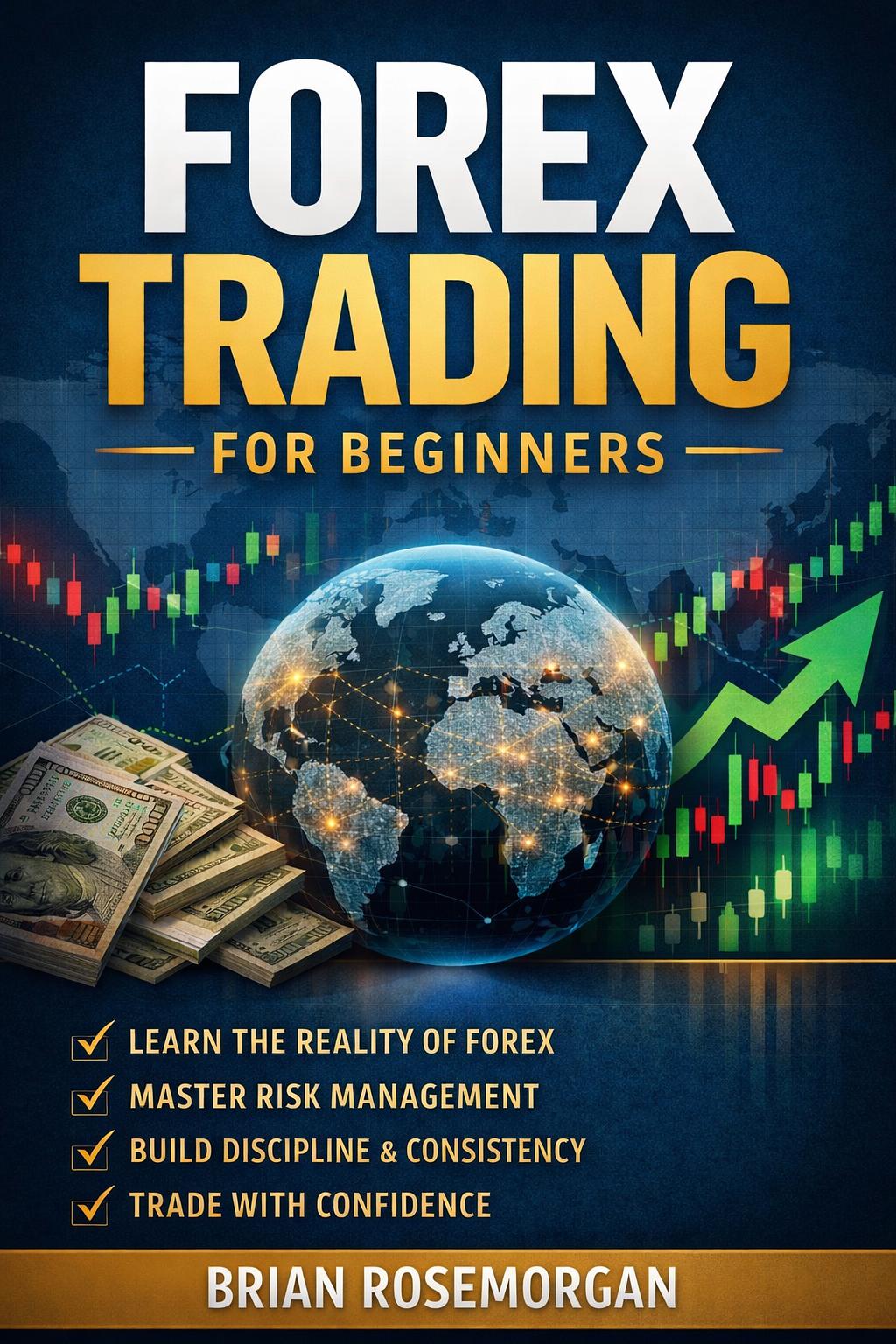
If you’ve enjoyed this free Academy, my book brings everything together in one structured beginner-friendly guide. It’s the perfect companion to the lessons you’ll complete here on TryBuying.
Lesson Complete
Congratulations! You have completed
Lesson 5 – Keeping Your Money Safe
Click below to record your progress and return to Module 3.
✓ Complete Lesson & Return to Module 3
Your progress will be saved automatically. Return to the Academy and continue with your next lesson whenever you’re ready.
Disclaimer: Forex trading and CFDs involve significant risk and may not be suitable for every investor. The information provided on this website is for educational purposes only and should not be considered financial, investment, or trading advice. Always verify that your broker is properly regulated before depositing funds, and practice on a demo account before trading with real money. Never risk money you cannot afford to lose. Past performance does not guarantee future results. Please read our full Risk Disclosure