
Updated September 2026

Brian Rosemorgan
Retired Professional Trader | 8+ Years Experience | South Africa
Questions?
Forex Broker Comparison for Beginners: How to Choose the Right Broker
Choosing a forex broker is one of the most important decisions a beginner will make before putting real money into the market. Your broker provides the trading account, platform and access to the instruments you want to trade, while also handling important processes such as deposits, withdrawals and trade execution.
Forex brokers can differ considerably in regulation, trading costs, account types, platforms, execution, leverage, available instruments, payment methods and customer support. Two brokers can therefore appear similar at first glance while offering significantly different account conditions.
This is why choosing a broker should not be reduced to a search for the lowest spread or the smallest minimum deposit. A broker advertising an extremely low spread may have commissions or other costs, while a broker offering many features may provide conditions that a beginner does not actually need.
For South African traders, there is another important consideration: which legal entity is actually providing your account? A broker may operate internationally through several companies, and the regulatory framework applying to your account can depend on the specific entity you are dealing with.
A proper comparison therefore looks at the complete trading environment. Regulation, costs, platform, execution, deposits, withdrawals and account conditions should all be examined before you decide whether a broker deserves further consideration.
In this lesson, you will learn how to compare forex brokers systematically, how to identify important differences between brokers, which marketing claims deserve caution and how to use a practical checklist before opening either a demo or live trading account.
1. Start With Regulation and the Legal Entity
Regulation should be one of the first things you investigate when comparing forex brokers. Regulation does not eliminate market risk or guarantee that you will make money, but the applicable regulatory framework can be an important part of understanding how a financial services provider is supervised.
One of the most important points for beginners is to identify the exact legal entity that will provide your account. Do not simply look at the broker’s brand name and assume that every customer around the world is served by the same company.
International brokerage groups can operate through different entities in different jurisdictions. Those entities may be subject to different regulators, rules and account conditions.
For South African traders, investigate whether the relevant entity is authorised by the Financial Sector Conduct Authority (FSCA) where applicable. Verify the information independently rather than relying only on the broker’s website, advertisements or affiliate reviews.
A useful starting question is:
“Which company am I actually contracting with, and which regulator’s rules apply to my account?”
Once you know that, you can investigate the remaining trading conditions with a much clearer understanding of the account you are considering.
2. Compare Spreads, Commissions and the Complete Cost of Trading
Trading costs are another important part of broker comparison. The cost of trading can include the spread, commission, overnight financing or swap charges and other account-related fees.
The spread is the difference between the bid and ask price. It represents one component of the cost associated with entering a trade.
Some brokers advertise very low spreads but charge a separate commission. Other accounts may have wider spreads with no separate trading commission. This means that comparing only the headline spread can give you an incomplete picture.
Overnight financing can also become important if you keep positions open beyond the trading day. Depending on the instrument and the broker’s conditions, these charges can accumulate over time.
When comparing brokers, investigate:
- Typical spreads: Not just the lowest advertised spread.
- Commissions: Check whether a separate commission applies.
- Overnight financing: Understand the charges that may apply to positions held overnight.
- Deposit fees: Check whether funding your account creates additional costs.
- Withdrawal fees: Understand whether withdrawing funds can involve charges.
- Currency conversion: Check whether converting between ZAR and other currencies creates additional costs.
The objective is not necessarily to find the broker advertising the lowest number. The objective is to understand the total cost structure and determine whether you can clearly explain what you will pay when trading.
3. Examine the Trading Platform and Execution
Your trading platform is the tool through which you analyse charts, place orders and manage open positions. A platform should therefore be reliable and understandable enough for you to use correctly.
MetaTrader 4 (MT4) and MetaTrader 5 (MT5) are widely used platforms, while some brokers also offer proprietary web and mobile platforms.
The name of the platform is less important than whether you understand how it works. A beginner should know how to:
- Open and close a position.
- Place a market order.
- Place a pending order where supported.
- Set and modify a stop-loss.
- Set and modify a take-profit order.
- Check position size.
- Monitor available margin.
- View account history.
Execution should also be considered. The price displayed when you decide to place an order may not always be exactly the price at which the order is filled, particularly during fast-moving or volatile market conditions.
This difference is commonly referred to as slippage. It can occur in both favourable and unfavourable directions depending on market conditions and the circumstances surrounding the order.
Beginners should therefore use a demo account to become familiar with the platform and observe how orders behave before risking real money.
4. Check Deposits and Withdrawals Carefully
Funding an account is only one part of the broker relationship. You should also understand how you will withdraw your money before you deposit it.
Check which payment methods are available, whether ZAR funding is supported, whether currency conversion is required and whether any fees apply.
Also investigate the withdrawal process. Find out whether identity verification is required, whether there are minimum withdrawal amounts and how the broker explains its processing times and requirements.
South African traders should pay particular attention to how rand deposits and withdrawals are handled. A broker may advertise access to South African customers without necessarily offering the same funding arrangements you expected.
Before depositing meaningful amounts of money, make sure you understand:
- How you will deposit funds.
- Which currencies are accepted.
- Whether ZAR is supported.
- How currency conversion works.
- How you will request a withdrawal.
- What verification may be required.
- Whether withdrawal fees apply.
- Whether there are minimum or maximum withdrawal limits.
A convenient deposit process should never be the only thing you consider. You should be equally comfortable explaining how your money can be withdrawn.
5. Compare the Complete Trading Package
There is no single broker feature that determines whether a broker is suitable for every trader. Different traders have different requirements, and a broker should therefore be evaluated as a complete package.
For example, one broker may offer competitive spreads while another may provide a platform you find easier to use. One may offer convenient ZAR funding while another may provide different account options or instruments.
The important point is to compare the same factors across each broker rather than allowing advertising to determine what you focus on.
A useful comparison should include:
- Regulation and legal entity.
- Spreads and commissions.
- Overnight financing.
- Available platforms.
- Execution conditions.
- Available instruments.
- Account currencies.
- Minimum deposits.
- Leverage and margin conditions.
- Deposit methods.
- Withdrawal procedures.
- Customer support.
- Demo account availability.
The goal is not to find the broker with the longest list of features. It is to determine whether the broker provides a trading environment that you understand and that meets your particular requirements.
🇿🇦 What South African Traders Should Check When Comparing Forex Brokers
South African traders have some additional considerations when comparing forex brokers. A broker may accept customers from South Africa without necessarily being regulated in South Africa, so identifying the specific entity and regulatory framework involved is important.
Before opening an account, work through the following checks:
Regulation:
Identify the legal entity that will provide your account and verify its regulatory status independently. If you believe the entity is FSCA-authorised, confirm that information through the appropriate regulatory source.
ZAR availability:
Check whether ZAR is available as an account currency, deposit currency or withdrawal currency. These are not necessarily the same thing.
Deposits:
Investigate which payment methods are available to South African customers and whether currency conversion or payment-provider fees can apply.
Withdrawals:
Understand how you can withdraw funds, what verification is required and whether the money will need to be converted between currencies.
Trading costs:
Compare spreads, commissions, financing and other applicable charges instead of focusing only on the advertised minimum spread.
Leverage:
Understand the leverage and margin conditions offered to your particular account. Higher leverage can increase the size of positions you can control and can also increase potential losses.
Platform:
Make sure the platform works properly on the device you intend to use and that you understand the order and risk-management functions.
These checks can help prevent you from choosing a broker simply because it has a familiar name, a low minimum deposit or an attractive advertisement.
🚩 Forex Broker Red Flags Beginners Should Avoid
Comparing brokers is not only about identifying positive features. You should also look for warning signs that justify stopping and investigating further.
Be particularly cautious about:
- Guaranteed profits: No legitimate broker can guarantee that you will make money trading forex.
- Pressure to deposit quickly: You should have enough time to investigate a broker before committing money.
- Unrealistic return promises: Claims that large profits are easy or nearly certain deserve careful scrutiny.
- Unclear regulation: If you cannot determine which company provides your account or which regulator applies, investigate before proceeding.
- Unclear withdrawal conditions: You should understand how you can access your money before depositing.
- Requests for additional deposits to recover losses: Be cautious if someone tells you that depositing more money is necessary to recover previous losses.
- Unsolicited investment offers: Be particularly careful with unexpected approaches through WhatsApp, Telegram, social media or other messaging services.
- Bonuses dominating the sales pitch: Promotional offers should not distract you from regulation, costs, withdrawals and trading conditions.
A professional-looking website, large social-media following or attractive advertisement does not by itself establish that a broker is suitable for you. Important information should be independently verified.
💡 Brian’s Expert Advice
During my years of trading, I learned not to choose a broker simply because somebody says it is the “best”. There are many brokers competing for your business, and their advertising is designed to highlight the features they want you to notice.
I would rather compare several brokers using exactly the same checklist. Regulation comes first for me, followed by trading costs, platform reliability, execution, deposits and withdrawals. I also want to know exactly which company is providing my account and what regulatory framework applies to it.
I strongly recommend opening a demo account before depositing meaningful amounts of money. A demo gives you time to learn the platform, practise placing trades and become familiar with the broker’s trading environment without immediately risking your capital.
I also believe beginners should avoid making a broker decision because of one attractive feature. A low spread, high leverage, small minimum deposit or promotional offer should never replace proper research.
My experience has taught me that choosing a broker is not about finding the broker with the biggest advertisement or the lowest headline spread. It is about finding a trading environment that you understand, can operate confidently and are comfortable using.
Forex Broker Comparison Checklist
When comparing two or more brokers, use the same questions for each one. This prevents an attractive advertisement from causing you to overlook important differences.
You do not need a complicated scoring system. The purpose of the checklist is to identify important differences and make sure the broker passes your basic due-diligence checks.
| Check | Question to Ask | Why It Matters |
|---|---|---|
| Regulation | Who regulates the entity serving my account? | Helps you understand the regulatory framework and protections that may apply. |
| Legal Entity | Which company will I actually contract with? | Different entities within an international group may operate under different rules. |
| Trading Costs | What are the spreads, commissions and other charges? | Trading costs affect the cost of entering and holding positions. |
| Platform | Can I use the platform confidently? | You need to place and manage trades accurately. |
| Execution | How are orders executed under different market conditions? | Execution can affect the actual price at which an order is filled. |
| Withdrawals | Do I understand how I can withdraw my money? | Access to your funds is an important part of broker due diligence. |
| ZAR Support | Can I fund or manage the account conveniently in ZAR? | Can make funding and account management easier for South African traders. |
| Demo Account | Can I test the broker before risking real money? | Allows you to learn the platform and trading environment first. |
| Customer Support | Can I get useful support when I need it? | Account or withdrawal problems may require timely assistance. |
✅ Step-by-Step: How to Compare Forex Brokers
Step 1 — Create a shortlist.
Identify several brokers that appear to meet your basic requirements. Do not immediately choose one because of an advertisement.
Step 2 — Identify the legal entity.
Find the exact company that will provide your trading account.
Step 3 — Verify regulation.
Check the relevant regulator independently and make sure the information applies to the entity providing your account.
Step 4 — Compare complete trading costs.
Look at spreads, commissions, financing, conversion costs and other applicable charges.
Step 5 — Compare platforms.
Check whether the platform provides the charting, order and risk-management functions you need.
Step 6 — Investigate execution.
Understand how orders are executed and remember that prices can change quickly during volatile markets.
Step 7 — Investigate deposits and withdrawals.
Understand how you will fund the account and, equally importantly, how you will withdraw your money.
Step 8 — Check South African requirements.
Investigate ZAR support, payment methods and the regulatory framework applicable to South African customers.
Step 9 — Open a demo account.
Use the demo account to learn the platform and test the trading environment without immediately risking real money.
Step 10 — Review everything again.
Before depositing, make sure you understand the legal entity, regulation, costs, platform, withdrawals and trading conditions.
This process may take longer than choosing a broker from an advertisement, but it gives you a much clearer understanding of what you are actually signing up for.
| Key Feature | What You Need to Know | Actionable Takeaway |
|---|---|---|
| Regulation | Regulation and the identity of the entity serving you are important parts of broker due diligence. | Verify regulatory information independently before depositing funds. |
| Trading Costs | Spreads, commissions, financing and conversion costs can all contribute to the cost of trading. | Compare the complete fee structure rather than only the advertised spread. |
| Platforms & Execution | Platform reliability, order functionality and execution conditions are important when managing trades. | Test the platform on demo before trading live. |
| Withdrawals | A convenient deposit method is not useful if withdrawing funds is difficult or poorly explained. | Read the current withdrawal requirements before opening an account. |
| South African Suitability | ZAR support, payment methods and the applicable regulatory entity can be important considerations. | Check the conditions that specifically apply to South African clients. |
| Customer Support | The quality and clarity of support can matter when dealing with account or withdrawal questions. | Contact support before depositing and assess whether your questions are answered clearly. |
Frequently Asked Questions
1. How do I compare forex brokers?
Compare regulation, the exact legal entity, trading costs, platforms, execution, available instruments, account currencies, deposits, withdrawals and customer support.
For South African traders, also check which entity serves you, which regulatory framework applies to your account and whether ZAR funding is available. The important point is to compare the same factors across different brokers rather than choosing one based on a single attractive feature.
2. What is the most important factor when choosing a forex broker?
Understanding the broker’s legal entity and regulatory status should be among your first checks. You should know which company provides your account and which regulator’s rules apply.
After that, compare costs, execution, platform functionality, withdrawals, account conditions and customer support. No single feature tells you everything about a broker.
3. Should beginners choose a broker with low spreads?
Low spreads can reduce one component of trading costs, but they should not be the only consideration. A broker advertising a low spread may charge a separate commission or have other account costs.
Compare the complete cost of opening, entering, holding and closing trades while also considering regulation, execution, platform reliability and withdrawals.
4. Why are broker withdrawals important?
Depositing money is often the easiest part of opening an account, but you should understand how withdrawals work before depositing.
Check withdrawal methods, verification requirements, processing times, minimum amounts and applicable fees. You should be able to explain how you will access your money under the broker’s published terms.
5. Should I compare brokers using a demo account?
Yes. A demo account allows you to test the trading platform without immediately risking real money. You can practise opening and closing trades, using stop-losses, checking position sizes and learning how the platform works.
A demo account does not reproduce every aspect of live trading, but it is a useful way for a beginner to become familiar with the broker’s platform and trading environment before considering a live account.
6. Are international forex brokers safe for South African traders?
The answer depends on the broker, the legal entity providing your account and the regulatory framework that applies to you.
South African traders should not assume that an international broker is automatically safe or unsafe simply because of its international status. Identify the entity providing your account and independently investigate its regulatory position and account conditions.
7. What trading platforms should beginners look for?
MT4 and MT5 are widely used platforms, while some brokers provide proprietary web and mobile platforms.
The most important consideration for a beginner is whether you can operate the platform confidently. You should understand how to place orders, manage positions, set stop-losses and monitor your account before trading live.
8. Is the cheapest forex broker always the best?
No. The lowest advertised spread does not necessarily represent the lowest overall cost or the most suitable trading environment.
Compare spreads, commissions, financing and other charges while also considering regulation, execution, withdrawals, platform reliability and customer support. A broker should be evaluated as a complete trading environment.
9. How many forex brokers should I compare?
There is no fixed number that every beginner needs to compare. Looking at several brokers can help you identify meaningful differences in regulation, costs, platforms and account conditions.
The purpose is not to compare every broker available. It is to investigate enough suitable options to understand the differences and then make sure the broker you are considering passes your basic safety and suitability checks.
10. What should South African traders look for in a forex broker?
South African traders should investigate the legal entity providing their account, its regulatory status, available ZAR funding options, trading costs, platforms, leverage, margin requirements, deposits, withdrawals and customer support.
It is also important to understand which jurisdiction applies to the specific account rather than assuming that the broker’s global brand operates under one set of rules everywhere.
11. Is a ZAR account important when comparing brokers?
A ZAR account can be convenient for South African traders because it can make account balances and risk calculations easier to understand in rand.
However, ZAR availability should be considered alongside regulation, costs, withdrawals and the complete trading environment. The fact that a broker supports ZAR does not by itself establish that it is suitable.
12. What are the biggest forex broker red flags?
Important warning signs include guaranteed profits, unrealistic return promises, pressure to deposit quickly, unclear regulatory information, confusing withdrawal conditions and unsolicited investment offers through messaging platforms or social media.
If important information cannot be independently verified, take more time to investigate before depositing money.
🛠 Brokers to Consider for Demo Trading
If you are comparing forex brokers, I recommend starting with a demo account rather than rushing into live trading. Compare regulation, spreads, commissions, execution, platform availability, withdrawal conditions and customer support before making a decision.
The brokers below are included because they offer demo-trading options. This section contains affiliate links, so I may receive a commission if you open an account through one of the links. This does not mean that either broker is suitable for every trader. Always research the broker yourself and verify its current regulatory status and trading conditions before opening an account.
XM
✔ Demo account available
✔ MT4 & MT5
✔ Multiple account options
✔ Educational resources
An option to investigate if you want to practise trading on demo while comparing its costs, platforms and account conditions with other brokers.
AvaTrade
✔ Demo account available
✔ MT4 & MT5
✔ AvaTradeGO platform
✔ Educational resources
Another option to investigate if you want to compare platforms, trading conditions and educational resources while practising on demo.
Important: Spreads, commissions, leverage and other trading conditions can change. Always check the broker’s current terms, costs, regulation and withdrawal requirements before opening an account.
📋 Final Forex Broker Checklist
Before opening a live forex account, make sure you can answer the following questions:
- ☐ I know the exact legal entity providing my account.
- ☐ I have independently checked the broker’s regulatory status.
- ☐ I understand which jurisdiction and regulatory framework apply.
- ☐ I understand the broker’s spreads and commissions.
- ☐ I understand any overnight financing and other applicable charges.
- ☐ I understand how deposits and withdrawals work.
- ☐ I understand whether ZAR funding is available and how currency conversion works.
- ☐ I have tested the trading platform on demo.
- ☐ I understand the broker’s leverage and margin conditions.
- ☐ I have investigated the broker’s customer support.
- ☐ I have not been pressured into depositing money.
- ☐ I understand that regulation does not eliminate trading risk.
If you cannot answer these questions confidently, take more time to investigate the broker before depositing real money.
📘 Forex Trading for Beginners
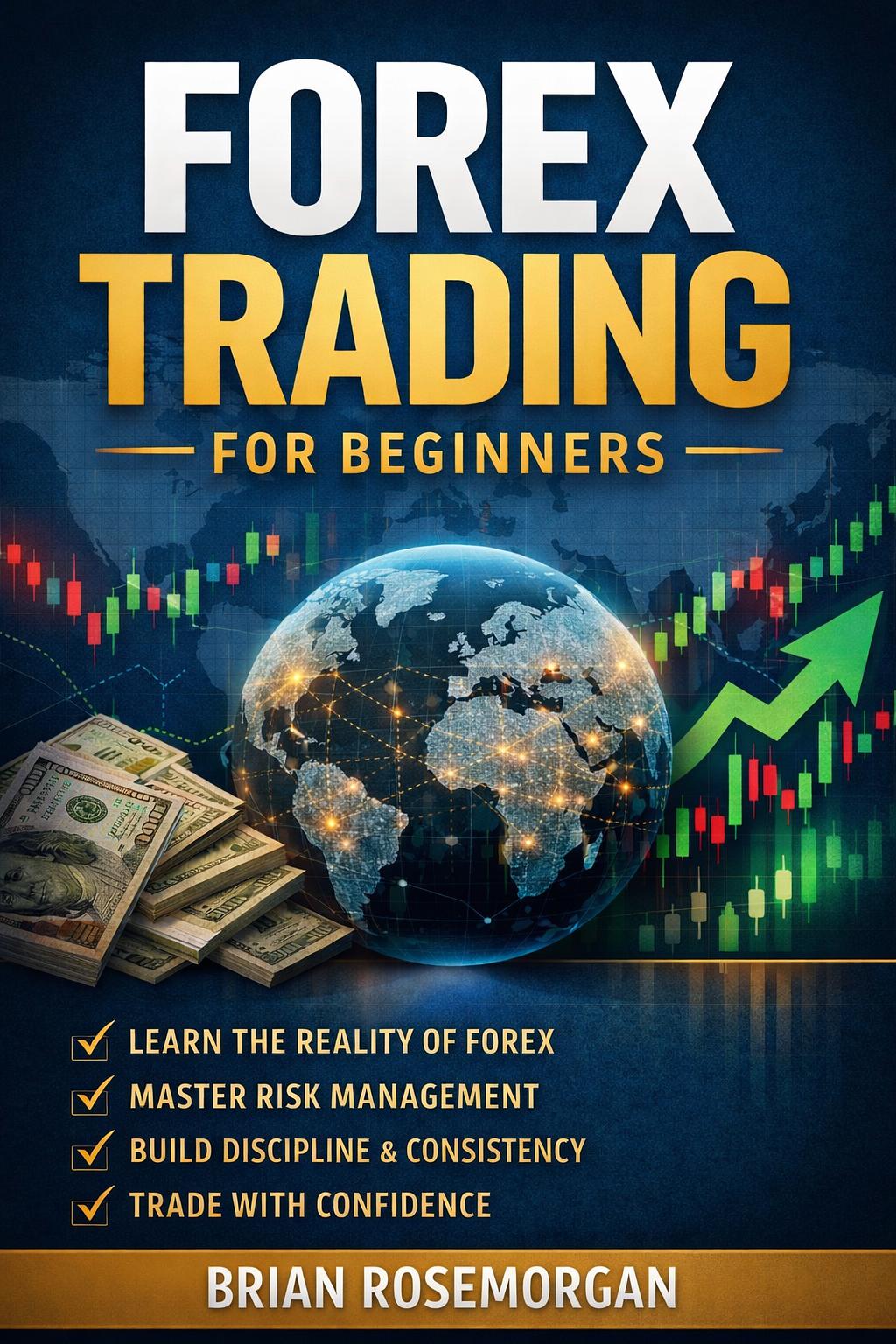
If you’ve enjoyed this free Academy, my book brings everything together in one structured beginner-friendly guide. It’s the perfect companion to the lessons you’ll complete here on TryBuying.
🎉 Lesson Complete
Congratulations! You have completed Module 6 – Lesson 3: Forex Broker Comparison.
Click below to record your progress and continue to the next lesson.
Your progress will be saved automatically. Return to the Academy and continue with your next lesson whenever you’re ready.
Disclaimer: Forex trading and CFDs involve significant risk and may not be suitable for every investor. The information provided on this website is for educational purposes only and should not be considered financial, investment, or trading advice. Always verify that your broker is properly regulated before depositing funds, and practice on a demo account before trading with real money. Never risk money you cannot afford to lose. Past performance does not guarantee future results. Please read our full Risk Disclosure.
` “`