
Updated August 2026

Brian Rosemorgan
Retired Professional Trader | 8+ Years Experience | South Africa
Questions?
Forex Deposit & Withdrawal Safety in South Africa: Protecting Your Money
Depositing money with a forex broker is an important step that should never be treated casually. Before transferring funds, a trader should understand who is receiving the money, which legal entity operates the account, what payment methods are available and what conditions apply when withdrawing funds.
Many beginners concentrate on spreads, leverage and trading platforms while paying too little attention to deposits and withdrawals. However, a broker can offer attractive trading conditions and still be unsuitable if its withdrawal procedures are unclear, its legal entity is difficult to verify or its payment requirements create unnecessary problems.
In this lesson, you will learn how to make safer deposits, check withdrawal conditions before trading, recognise warning signs and protect yourself from common payment-related forex scams. The goal is simple: understand how your money moves before you put it at risk.
1. Understand Who Receives Your Money
Before making a deposit, identify the exact legal entity that will provide your trading account. A broker brand may operate through different companies in different countries. The company named in your account agreement and payment instructions is important because it determines the relevant regulatory and contractual arrangements.
2. Check the Deposit Methods Carefully
Use payment methods clearly identified by the broker and avoid sending money to unexpected personal bank accounts or unrelated third parties. If payment instructions suddenly change by email or message, stop and verify them through the broker’s official customer-support channels before transferring any funds.
3. Understand Withdrawal Requirements Before Depositing
Do not wait until you want to withdraw money before reading the broker’s withdrawal rules. Check minimum withdrawal amounts, processing times, fees, identity verification requirements and any restrictions relating to payment methods. Understanding these conditions beforehand can prevent unpleasant surprises later.
4. Be Careful With Withdrawal Fees and Requests
Legitimate brokers can have fees or specific procedures for withdrawals, but unexpected demands for additional payments should be treated cautiously. Be particularly careful if someone claims you must pay a large tax, release fee or security deposit before your funds can be released.
5. Keep Records of Every Transaction
Keep copies of deposit confirmations, withdrawal requests, broker statements, emails and relevant correspondence. Good records make it easier to track your account and investigate problems if something goes wrong. Never rely solely on screenshots from messaging applications as proof that a payment or withdrawal has been processed.
💡 Brian’s Expert Advice
One rule I would strongly recommend to a beginner is this: understand how you will get your money out before you put your money in. When I was trading, I always wanted to know exactly how deposits and withdrawals worked before committing funds.
Never allow excitement about a trading opportunity to make you ignore basic safety checks. Start with a demo account, investigate the broker carefully and make a small test withdrawal when appropriate. Most importantly, never send additional money simply because someone claims it is necessary to unlock your existing funds without independently verifying the request.
| Key Feature | What You Need to Know | Actionable Takeaway |
|---|---|---|
| Legal Entity | The broker brand may operate through different companies and jurisdictions. | Identify the exact legal entity before depositing money. |
| Withdrawal Rules | Withdrawal procedures, fees and verification requirements vary between brokers. | Read the withdrawal terms before making your first deposit. |
| Payment Security | Unexpected payment instructions can indicate fraud or account compromise. | Verify unusual payment requests directly through the broker’s official channels. |
Frequently Asked Questions
1. How can I safely deposit money with a forex broker?
First verify the broker and the exact legal entity operating your account. Use payment methods listed through the broker’s official platform and carefully check the recipient details before transferring money. If payment instructions change unexpectedly, independently contact the broker before making the payment.
2. What should I check before withdrawing forex profits?
Check the broker’s withdrawal procedure, minimum withdrawal amount, processing times, fees and identity-verification requirements. You should understand these rules before depositing money. Also make sure the withdrawal request is submitted through the broker’s official website or trading platform rather than through an unfamiliar third party.
3. Why might a forex broker ask for identity verification?
Regulated financial firms may need to verify a customer’s identity as part of their legal and compliance obligations. This can include identification documents and proof of address. Always provide sensitive information only through the broker’s legitimate secure channels and verify that you are dealing with the correct company.
4. Should I send money to a broker’s personal bank account?
Be extremely cautious. If a broker or supposed representative asks you to send money to a personal account or an account belonging to an unrelated company, stop and verify the request. Legitimate payment instructions should be consistent with the broker’s official account and documented procedures.
5. Can a forex broker charge withdrawal fees?
Some brokers may charge fees depending on the payment method, account conditions or other circumstances. The important point is to understand the applicable fees before depositing. Always check the broker’s current terms rather than assuming that every withdrawal will be free.
6. What is a forex withdrawal scam?
A withdrawal scam can involve someone claiming that your trading funds are available but demanding additional money before releasing them. Requests described as taxes, clearance charges, recovery fees or security deposits should be treated with extreme caution and independently verified before any further payment is made.
7. Should I make a small withdrawal before depositing more money?
Where practical, testing the broker’s normal withdrawal process can help you understand how the procedure works. However, a successful small withdrawal alone does not prove that a broker is safe. Continue checking regulation, legal entity information, trading conditions and the broker’s overall reputation.
8. What records should I keep when trading forex?
Keep deposit confirmations, withdrawal requests, account statements, transaction references, invoices, emails and important broker correspondence. Maintaining accurate records gives you a clear history of your transactions and can be useful if you need to raise a complaint or investigate an unexpected payment problem.
9. What should I do if my forex withdrawal is delayed?
First check the broker’s published processing times and whether additional verification is required. Contact the broker through its official support channels and keep written records of the communication. If you believe something is seriously wrong, consider contacting the relevant regulator or appropriate consumer-protection authority.
📘 Forex Trading for Beginners
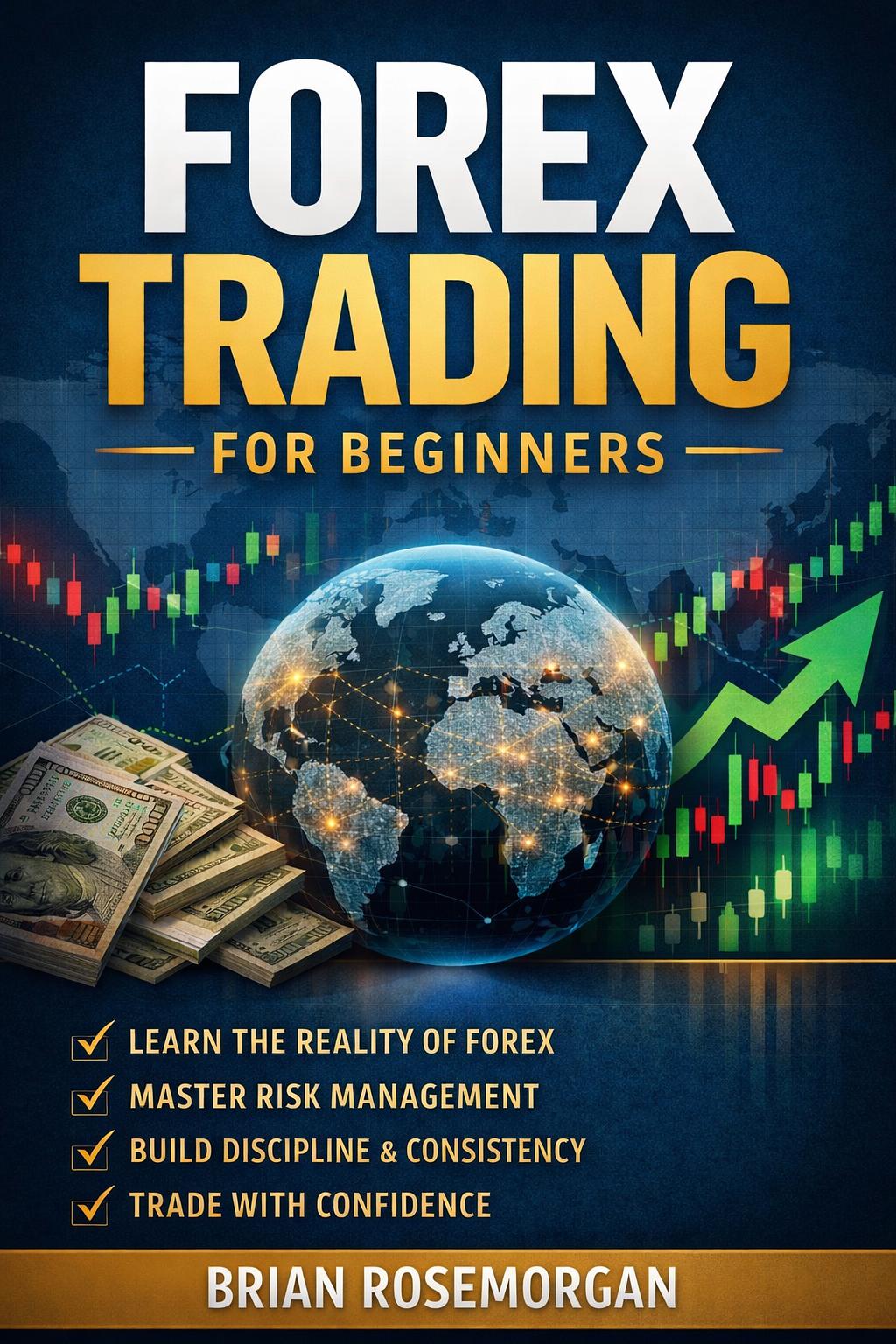
If you’ve enjoyed this free Academy, my book brings everything together in one structured beginner-friendly guide. It’s the perfect companion to the lessons you’ll complete here on TryBuying.
🎉 Lesson Complete
Congratulations! You have completed Forex Deposit & Withdrawal Safety in South Africa.
Click below to record your progress and return to the Academy.
Your progress will be saved automatically. Return to the Academy and continue with your next lesson whenever you’re ready.
Disclaimer: Forex trading and CFDs involve significant risk and may not be suitable for every investor. The information provided on this website is for educational purposes only and should not be considered financial, investment, or trading advice. Always verify that your broker is properly regulated before depositing funds, and practice on a demo account before trading with real money. Never risk money you cannot afford to lose. Past performance does not guarantee future results. Please read our full Risk Disclosure