
Updated August 2026

Brian Rosemorgan
Retired Professional Trader | 8+ Years Experience | South Africa
Questions?
Forex vs Stocks vs Crypto: Understanding the Differences
Forex, stocks and cryptocurrencies are three popular financial markets, but they operate in very different ways. Understanding those differences is important before deciding which market is appropriate for your trading goals, experience level and risk tolerance.
Forex focuses on trading currency pairs such as EUR/USD and USD/ZAR. Stock trading involves buying and selling shares in companies, while cryptocurrency trading involves digital assets such as Bitcoin and Ethereum. Each market has different levels of liquidity, volatility, trading hours, costs and risks.
In this lesson, you will learn how forex compares with stocks and crypto, why traders choose different markets, and what beginners should consider before committing real money. The goal is not to tell you which market is best, but to help you understand the differences and make a more informed decision.
1. What Is Forex Trading?
Forex, or foreign exchange, is the global market for buying and selling currencies. Traders speculate on the relative value of one currency against another, using pairs such as EUR/USD, GBP/USD and USD/ZAR. Forex is known for high liquidity and operates around the clock during the main business days of the week.
2. What Is Stock Trading?
Stock trading involves buying and selling shares representing ownership in publicly traded companies. Stock prices can be influenced by company earnings, economic conditions, interest rates, industry developments and investor sentiment. Unlike forex, individual shares can be heavily affected by company-specific news and events.
3. What Is Cryptocurrency Trading?
Cryptocurrency trading involves buying and selling digital assets that operate using blockchain technology. Bitcoin and Ethereum are well-known examples. Crypto markets can experience substantial price movements and may operate continuously, including weekends. This can create opportunities but also exposes traders to significant volatility and risk.
4. Liquidity, Volatility and Trading Hours
The three markets differ considerably in liquidity and volatility. Major forex pairs generally have deep liquidity, while individual stocks can vary greatly depending on the company and market. Cryptocurrencies can experience particularly sharp price movements. Understanding these characteristics helps traders choose appropriate position sizes and risk limits.
5. Which Market Is Best for Beginners?
There is no single market that is automatically best for every beginner. Forex may appeal to traders who prefer currency markets and structured trading sessions, while stocks may suit investors interested in companies and longer-term ownership. Crypto may appeal to those comfortable with substantial volatility. Education and risk management matter more than choosing the most exciting market.
💡 Brian’s Expert Advice
One of the biggest mistakes beginners make is jumping from one market to another looking for an easier way to make money. During my years of trading, I learned that understanding one market properly is far more valuable than constantly chasing the latest opportunity. Start by learning how your chosen market works, practise on a demo account where possible, and focus on controlling risk before worrying about profits.
| Market | What You Need to Know | Beginner Consideration |
|---|---|---|
| Forex | Trades currency pairs and offers high liquidity in major pairs. | Learn currency pairs, leverage, position sizing and risk management. |
| Stocks | Represents ownership in companies and can be influenced by company-specific news. | Understand company fundamentals, market conditions and investment risk. |
| Crypto | Digital assets can experience significant volatility and trade continuously. | Expect substantial price movements and use strict risk controls. |
Frequently Asked Questions
1. What is the difference between forex and stocks?
Forex involves trading one currency against another, while stocks represent shares in individual companies. Forex traders commonly focus on currency movements, interest rates and economic conditions. Stock traders may also need to consider company earnings, management, industry developments and corporate news.
2. Is forex safer than cryptocurrency?
Neither market should automatically be considered safe. Major forex markets generally have substantial liquidity, while cryptocurrencies can experience very large price movements. The actual risk of a trade depends on factors such as position size, leverage, stop-loss placement, market conditions and the amount of capital being risked.
3. Is forex more difficult than stock trading?
The difficulty depends on the trader and the approach being used. Forex involves understanding currency pairs, leverage, economic events and market sessions. Stock trading requires knowledge of individual companies and broader market conditions. Both markets require education, discipline and effective risk management.
4. Can beginners trade forex, stocks and crypto?
Beginners can learn about all three markets, but attempting to trade several markets simultaneously can make learning more difficult. A better approach is to understand one market thoroughly before expanding into others. Practising with a demo account can also help beginners gain experience without immediately risking real money.
5. Which market is the most volatile?
Volatility changes constantly, so there is no permanent ranking. Cryptocurrency markets can experience very large price movements, while individual stocks can also move sharply following company news. Forex volatility varies between currency pairs and can increase significantly during important economic announcements.
6. Does forex trade 24 hours a day?
Forex trading follows a global network of financial centres and is generally available around the clock during the main trading week. However, liquidity and activity change throughout the day. Understanding the major trading sessions can help traders identify periods when particular currency pairs are more active.
7. Can you lose money trading all three markets?
Yes. Forex, stocks and cryptocurrency all involve financial risk. Traders can lose part or all of their trading capital depending on their strategy, leverage, position size and market conditions. Never trade money you cannot afford to lose and understand the risks before opening a live position.
8. Should beginners start with a demo account?
For forex and many other leveraged trading products, practising with a demo account can be a useful way to learn order placement, platform features, position sizing and risk management. A demo account does not perfectly reproduce the psychological pressure of real trading, but it can help beginners develop basic skills first.
9. Which market should a beginner choose?
There is no universal answer. The right choice depends on your objectives, knowledge, available time and tolerance for risk. Beginners should compare the characteristics of each market and choose one they are willing to study properly rather than selecting a market simply because it appears capable of producing quick profits.
🛠 Brokers to Consider for Demo Trading
If you are learning forex, I recommend starting with a demo account rather than rushing into live trading. When comparing brokers, look beyond advertised spreads and consider regulation, commissions, execution, platform availability, withdrawal conditions and customer support.
The brokers below are included because they offer demo-trading options. This section contains affiliate links, so I may receive a commission if you open an account through one of the links. This does not mean that either broker is suitable for every trader. Always research the broker yourself and verify its current regulatory status and trading conditions before opening an account.
XM
✔ Demo account available
✔ MT4 & MT5
✔ Multiple account options
✔ Educational resources
An option to investigate if you want to practise forex trading on demo while comparing its costs, platforms and account conditions with other brokers.
AvaTrade
✔ Demo account available
✔ MT4 & MT5
✔ AvaTradeGO platform
✔ Educational resources
Another option to investigate if you want to compare platforms, trading conditions and educational resources while practising on demo.
Important: Spreads, commissions, leverage and other trading conditions can change. Always check the broker’s current terms, costs, regulation and withdrawal requirements before opening an account.
📘 Forex Trading for Beginners
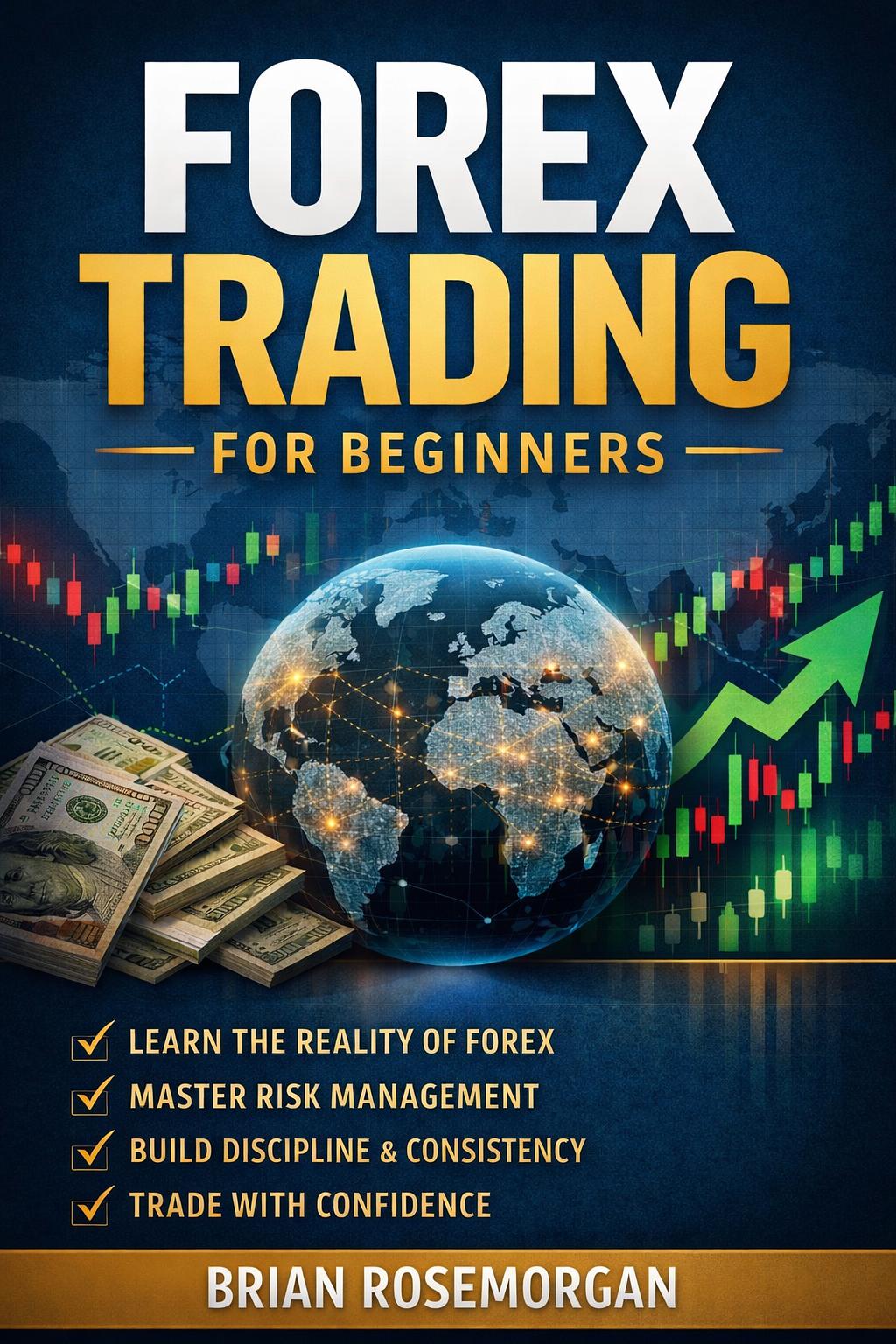
If you’ve enjoyed this free Academy, my book brings everything together in one structured beginner-friendly guide. It’s the perfect companion to the lessons you’ll complete here on TryBuying.
🎉 Lesson Complete
Congratulations! You have completed Forex vs Stocks vs Crypto.
Click below to record your progress and return to the Academy.
Your progress will be saved automatically. Return to the Academy and continue with your next lesson whenever you’re ready.
Disclaimer: Forex trading, CFDs, stocks and cryptocurrencies involve significant risk and may not be suitable for every investor. The information provided on this website is for educational purposes only and should not be considered financial, investment, or trading advice. Always verify that your broker or trading platform is properly regulated before depositing funds, and practise on a demo account before trading with real money. Never risk money you cannot afford to lose. Past performance does not guarantee future results. Please read our full Risk Disclosure.