
updated august 2026

Brian Rosemorgan
Retired Professional Trader | 8+ Years Experience | South Africa
Questions?
How to Build a Solid Forex Trading Routine: A Simple Daily Process
A solid trading routine can make forex trading more structured, disciplined and easier to manage. Beginners often concentrate heavily on finding the perfect strategy while overlooking the importance of preparation, timing and consistent decision-making. A routine helps you approach the market with a clear plan instead of reacting emotionally to every price movement.
A good routine does not mean sitting in front of charts all day. In fact, spending too much time watching the market can encourage unnecessary trades and emotional decisions. A structured routine should define when you analyse the market, what you look for, when you trade and when you walk away.
In this lesson, you will learn how to create a practical forex trading routine, prepare before entering a trade, manage open positions, record your results and review your performance. The objective is to create repeatable habits that support risk management and disciplined trading.
1. Start With a Pre-Market Preparation
Before looking for trades, establish what is happening in the market. Check the major currency pairs you follow, review important economic events and identify significant price levels. Preparation gives you a broader picture before you make decisions and helps prevent impulsive entries caused by sudden price movements.
2. Define Exactly What You Are Looking For
A trading routine should include clear entry conditions. Instead of opening trades because a chart looks interesting, decide beforehand what qualifies as a valid setup. Your strategy should tell you what conditions must be present before you enter, where your stop-loss belongs and what would invalidate the trade.
3. Control Your Trading Time
You do not need to trade every market movement. Choose trading periods that fit your strategy and personal schedule, then avoid watching charts continuously outside those periods. Limiting screen time can reduce boredom trading and help you concentrate on higher-quality opportunities rather than forcing trades.
4. Record Every Trade
A trading journal is one of the simplest ways to improve your decision-making. Record the currency pair, entry, stop-loss, target, position size, reason for entering and final result. Adding a short note about your emotions can also reveal repeated habits that may be damaging your performance. record everytrade in your trading jurmal for futcher reference
5. Review Your Performance Regularly
Your routine should finish with a review rather than simply ending when the trading platform is closed. Look at which trades followed your rules, which did not and whether your losses resulted from the strategy or from poor execution. Regular reviews turn individual trades into useful learning information.
💡 Brian’s Expert Advice
During my 8+ years of live trading, I learned that having a routine was just as important as having a trading strategy. When I first started trading, I spent too much time looking at charts and was tempted to take trades simply because the market was moving. Over time I learned that patience is a trading skill. My advice to beginners is to decide what you are looking for before the trading session starts, risk only what you have planned to risk, and be prepared to do nothing when there is no valid setup. Sometimes the best trade of the day is no trade at all.
| Key Feature | What You Need to Know | Actionable Takeaway |
|---|---|---|
| Market Preparation | Preparation helps you understand market conditions before looking for an entry. | Review your selected pairs and important market events before trading. |
| Trading Rules | Clear entry and exit conditions reduce emotional and impulsive decisions. | Only enter when your predefined trading conditions are present. |
| Trading Journal | Recording trades makes it easier to identify repeated mistakes and successful habits. | Record every trade and review your results regularly. |
📋 A Simple Forex Trading Routine
Before trading:
✔ Check your trading plan.
✔ Review the currency pairs you trade.
✔ Check important economic events.
✔ Identify important support and resistance areas.
✔ Decide your maximum risk for the session.
During trading:
✔ Wait for your setup.
✔ Calculate your position size.
✔ Place your stop-loss according to your plan.
✔ Do not move your stop-loss simply because you dislike a loss.
✔ Avoid revenge trading after a losing trade.
After trading:
✔ Record your trades.
✔ Review whether you followed your rules.
✔ Identify mistakes without blaming the market.
✔ Close the platform when your trading session is finished.
Frequently Asked Questions
1. What is a forex trading routine?
A forex trading routine is a repeatable process that defines how you prepare for the market, identify trading opportunities, manage positions and review your performance. A routine helps remove unnecessary decisions and encourages traders to follow their strategy and risk-management rules consistently.
2. Why is a trading routine important for beginners?
A routine gives beginners structure. Without one, it is easy to jump between currency pairs, strategies and timeframes or enter trades because of emotions. A simple routine helps traders focus on preparation, predefined setups, controlled risk and reviewing their decisions instead of reacting to every market movement.
3. How often should I check the forex market?
There is no requirement to watch the forex market continuously. The appropriate frequency depends on your trading strategy and timeframe. Checking charts constantly can encourage overtrading. A better approach is to establish specific times for market analysis and only monitor the market when your trading plan requires it.
4. What should I do before opening a forex trade?
Before entering a trade, identify the reason for the setup, determine your entry point, calculate your position size and establish your stop-loss. You should also confirm that the trade meets your strategy rules and that the amount you are risking is within your predetermined risk limit.
5. Should forex traders keep a trading journal?
Yes. A trading journal provides a record of your decisions and results. Over time it can reveal patterns such as entering trades too early, moving stop-losses, overtrading or ignoring your strategy. Reviewing your journal can therefore be more valuable than simply looking at your overall profit or loss.
6. What should I record in a trading journal?
Useful information includes the date, currency pair, timeframe, entry price, stop-loss, target, position size, reason for entering and final result. You can also record whether you followed your rules and how you felt before and after the trade. Keep the journal simple enough that you will actually use it.
7. How can a trading routine prevent overtrading?
A routine can establish clear trading hours and specific conditions for entering a position. When you know that you only trade valid setups during predetermined periods, there is less temptation to trade simply because the market is moving. Having a maximum number of trades or risk limit can also help.
8. Should I trade every day?
No. Trading every day is not necessary for successful trading. Some days may provide no suitable setups, while market conditions may not match your strategy. A disciplined trader should be comfortable staying out of the market when their conditions are not present. Protecting capital is more important than staying active.
9. What is the best trading routine for a beginner?
A beginner’s routine should be simple: prepare before trading, review selected currency pairs, wait for a clearly defined setup, calculate risk before entering, record every trade and review performance afterwards. Start with a demo account while learning and gradually develop the discipline needed for live trading.
- How to Create a Forex Trading Plan
- How to Avoid Overtrading Forex
- How to Set Realistic Forex Trading Goals
🛠 Brokers to Consider for Demo Trading
If you are still learning forex, I recommend starting with a demo account rather than rushing into live trading. When comparing brokers, look beyond advertised spreads and consider regulation, commissions, execution, platform availability, withdrawal conditions and customer support.
The brokers below are included because they offer demo-trading options. This section contains affiliate links, so I may receive a commission if you open an account through one of the links. This does not mean that either broker is suitable for every trader. Always research the broker yourself and verify its current regulatory status and trading conditions before opening an account.
XM
✔ Demo account available
✔ MT4 & MT5
✔ Multiple account options
✔ Educational resources
An option to investigate if you want to practise trading on demo while comparing its costs, platforms and account conditions with other brokers.
AvaTrade
✔ Demo account available
✔ MT4 & MT5
✔ AvaTradeGO platform
✔ Educational resources
Another option to investigate if you want to compare platforms, trading conditions and educational resources while practising on demo.
Important:
Spreads, commissions, leverage and other trading conditions can change.
Always check the broker’s current terms, costs, regulation and withdrawal requirements before opening an account.
📘 Forex Trading for Beginners
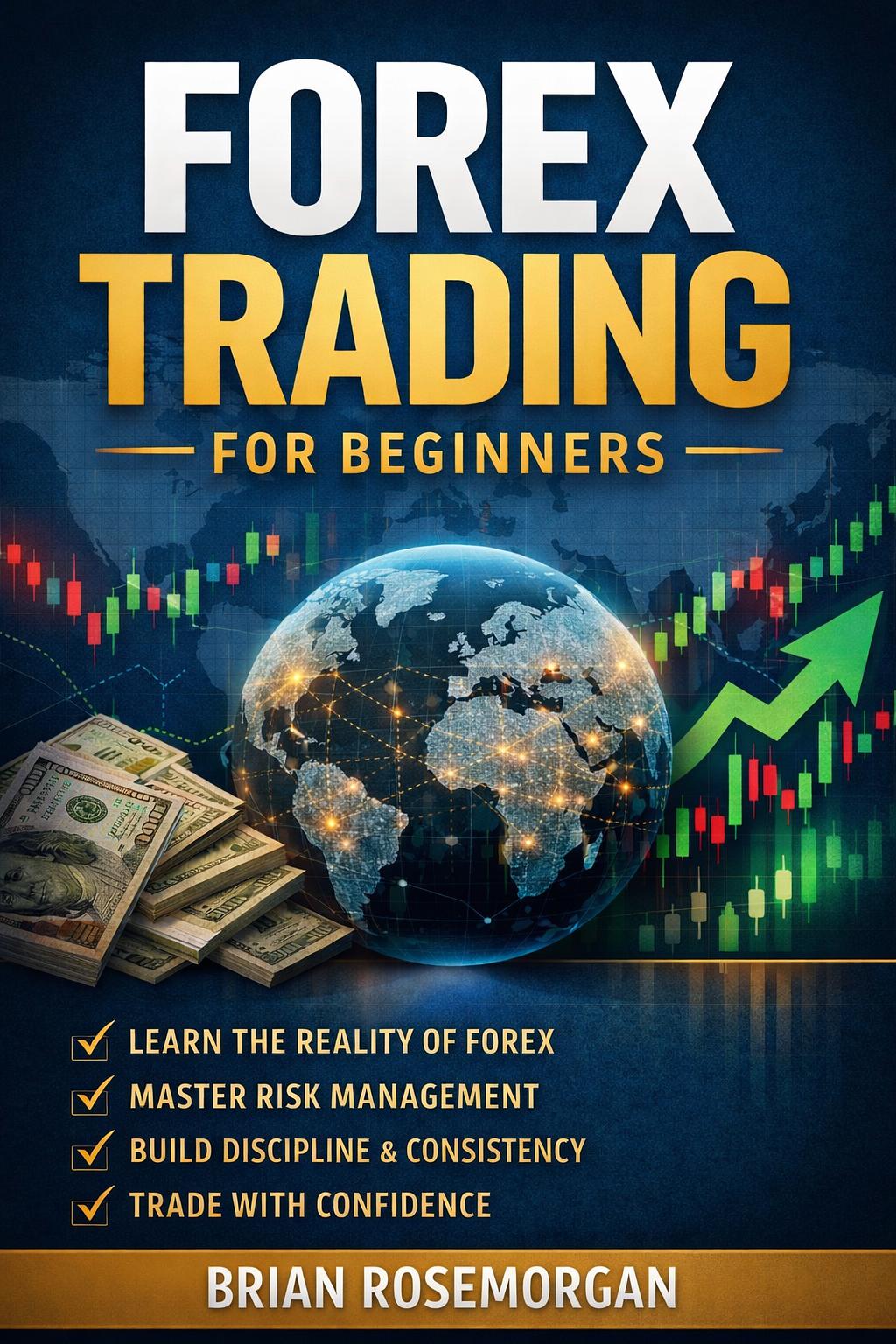
If you’ve enjoyed this free Academy, my book brings everything together in one structured beginner-friendly guide. It’s the perfect companion to the lessons you’ll complete here on TryBuying.
🎉 Lesson Complete
Congratulations! You have completed Lesson 4 – Building a Trading Routine.
Click below to record your progress and return to Module 3.
Your progress will be saved automatically. Return to the Academy and continue with your next lesson whenever you’re ready.
Disclaimer: Forex trading and CFDs involve significant risk and may not be suitable for every investor. The information provided on this website is for educational purposes only and should not be considered financial, investment, or trading advice. Always verify that your broker is properly regulated before depositing funds, and practice on a demo account before trading with real money. Never risk money you cannot afford to lose. Past performance does not guarantee future results. Please read our full Risk Disclosure