
Updated August 2026

Brian Rosemorgan
Retired Professional Trader | 8+ Years Experience | South Africa
Questions?
The 1 Percent Risk Rule for South African Traders: Protecting Your Capital
The one percent risk rule is one of the most useful capital-preservation guidelines a beginner can learn when starting forex trading. Rather than concentrating on how much money can be made from a trade, the rule encourages traders to focus first on how much they are prepared to lose if the trade fails.
The basic principle is simple: a trader chooses a maximum percentage of account equity to risk on an individual trade and then calculates the position size around that risk limit. For many traders, one percent is a conservative starting point, although it is not a guaranteed safe level and should be considered alongside the trader’s overall financial circumstances and strategy.
In this lesson, you will learn how the one percent rule works, how to calculate your maximum monetary risk, how position size and stop-loss distance affect risk, how leverage differs from risk, and why disciplined risk management can help protect a trading account during losing periods.
Important Risk Reminder
The one percent rule is a risk-management guideline, not a guarantee against losses. Forex and CFD trading involve significant risk, and even a carefully calculated trade can lose more than expected because of slippage, gaps or fast-moving markets. Never risk money you cannot afford to lose.
1. How the 1% Forex Risk Rule Works”
The one percent rule limits the amount of account equity exposed to an individual trade. If a trader has $1,000 in the account and chooses a one percent risk limit, the planned maximum loss is $10 before considering costs or execution differences. Ten consecutive one-percent losses would reduce the account by approximately 9.6% if each loss were calculated from the remaining balance.
2. Calculating Position Size Against Account Equity
Applying the one percent rule requires more than simply choosing a lot size. The trader must consider account equity, the chosen risk percentage, stop-loss distance and the monetary value of each pip or price movement. Position size should be calculated from these factors rather than guessed from confidence in a trade.
3. Tailoring Risk Management for South African Traders
South African traders may use accounts denominated in ZAR, USD or another currency. This means currency conversion and the instrument’s pip or tick value may need to be considered when calculating position size. Always check the broker’s current contract specifications before placing a trade.
4. Removing Emotion Through Rigid Risk Limits
A predetermined risk limit can help reduce emotional decision-making. When the amount that can be lost on a trade is decided before entering the market, there is less temptation to increase the position after a losing trade or move a stop-loss simply because the market is moving against you.
5. Preventing Over-Leveraging on Volatile Pairs
Currency pairs involving the South African Rand can experience significant price movements, particularly around economic announcements and periods of changing market sentiment. A sensible position size helps prevent a trader from taking excessive exposure when volatility increases. The one percent rule should therefore be used together with appropriate leverage and stop-loss planning.
Simple 1% Risk Calculation
Maximum planned risk = Account equity × Risk percentage
For example:
$1,000 account × 1% = $10 planned risk
The next step is to calculate the appropriate position size based on the stop-loss distance and the value of each pip or price movement. This is why the one percent rule does not mean simply opening the same lot size on every trade.
Remember: Actual trading costs, spreads, commissions, slippage and contract specifications can affect the final result.
💡 Brian’s Expert Advice
During my 8+ years of live trading, I learned that discipline is just as important as the strategy being used. A good trading setup can still fail, and no setup should be treated as a guaranteed winner.
My approach is to decide how much I am prepared to risk before entering the trade, calculate the position size from the stop-loss distance, and then accept the outcome. Never widen a stop-loss simply because you hope the market will reverse, and never increase your risk to recover money lost on a previous trade.
| Key Feature | What You Need to Know | Actionable Takeaway |
|---|---|---|
| Per-Trade Financial Risk | A predefined percentage limit helps control the amount of account equity exposed to an individual trade. | Consider limiting individual trade risk to a small percentage of account equity. |
| Stop-Loss Planning | The stop-loss distance affects the position size required to maintain a chosen monetary risk limit. | Calculate position size from your planned risk and stop-loss distance. |
| Account Longevity | Smaller individual risks allow an account to withstand more losing trades than an aggressive risk approach. | Protect your capital so your trading plan has time to work through normal losing periods. |
Common 1% Risk Rule Mistakes
- Moving the stop-loss: Increasing your stop distance can increase the amount you are risking.
- Ignoring spread and costs: Your actual trading cost can affect the final result.
- Using the same lot size every time: Position size should normally reflect the stop-loss distance and account size.
- Revenge trading: Increasing risk after a losing trade can quickly undermine your entire risk plan.
- Confusing leverage with risk: High leverage does not automatically mean high risk, but it can make excessive position sizes easier to open.
Frequently Asked Questions
1. What is the 1 percent risk rule in forex trading?
The one percent risk rule is a capital-preservation guideline where a trader limits the planned loss on an individual trade to approximately one percent of account equity. It is not a requirement or guarantee, but it can provide a structured framework for controlling risk.
2. Why is the 1 percent rule important for South African traders?
South African traders can experience substantial volatility when trading Rand-related currency pairs. A predefined risk limit can help prevent one trade or a short series of trades from causing disproportionate damage to the account.
3. How do you calculate 1 percent risk on a trade?
Multiply your account equity by 0.01. For example, a $1,000 account would have a planned one percent risk amount of $10. You would then calculate the appropriate position size based on your stop-loss distance and the value of the instrument’s price movement.
4. Can you use the 1 percent rule with small trading accounts?
Yes, provided your broker and chosen instrument allow sufficiently small position sizes. Micro or smaller position sizes can make percentage-based risk management more practical for smaller accounts.
5. What happens if you risk more than 1 percent per trade?
Higher risk per trade means that a smaller number of consecutive losses can produce a significant drawdown. For example, risking 10% repeatedly can cause severe account damage much faster than risking 1%. This is why many traders prefer conservative risk limits.
6. How does leverage interact with the 1 percent risk rule?
Leverage affects the margin required to open a position, while your position size and stop-loss determine the amount you are putting at risk. Leverage should therefore be treated as a tool for managing margin, not as a reason to increase your position size.
7. How do stop-loss orders help with the 1 percent rule?
A stop-loss provides a predetermined exit point if the market moves against the trade. It helps define the potential loss before entering the position, although the actual result can differ because of spreads, slippage, gaps and fast market conditions.
8. How many consecutive losses can a 1 percent risk strategy survive?
A one percent risk approach can withstand a substantial sequence of losing trades without immediately threatening the account. However, the exact drawdown depends on how the risk is calculated, whether it is based on current equity, and whether additional positions are open at the same time.
9. How should South African traders check broker regulation?
South African traders should independently verify the broker’s current regulatory status and the specific legal entity providing the service. Regulation, client-fund arrangements, leverage limits, fees and trading conditions can differ between jurisdictions, so these details should be checked before depositing money.
- What Is Risk to Reward Ratio in Forex?
- How to Calculate Forex Drawdown
- How Much Should You Risk Per Trade in Forex?
🛠 Brokers to Consider for Demo Trading
If you are learning forex risk management, I recommend starting with a demo account rather than rushing into live trading. When comparing brokers, look beyond advertised spreads and consider regulation, commissions, execution, platform availability, withdrawal conditions and customer support.
The brokers below are included because they offer demo-trading options. This section contains affiliate links, so I may receive a commission if you open an account through one of the links. This does not mean that either broker is suitable for every trader. Always research the broker yourself and verify its current regulatory status and trading conditions before opening an account.
XM
✔ Demo account available
✔ MT4 & MT5
✔ Multiple account options
✔ Educational resources
An option to investigate if you want to practise trading on demo while comparing its costs, platforms and account conditions with other brokers.
AvaTrade
✔ Demo account available
✔ MT4 & MT5
✔ AvaTradeGO platform
✔ Educational resources
Another option to investigate if you want to compare platforms, trading conditions and educational resources while practising on demo.
Important: Spreads, commissions, leverage, regulation and other trading conditions can change. Always check the broker’s current terms, costs, regulatory status and withdrawal requirements before opening an account.
📘 Forex Trading for Beginners
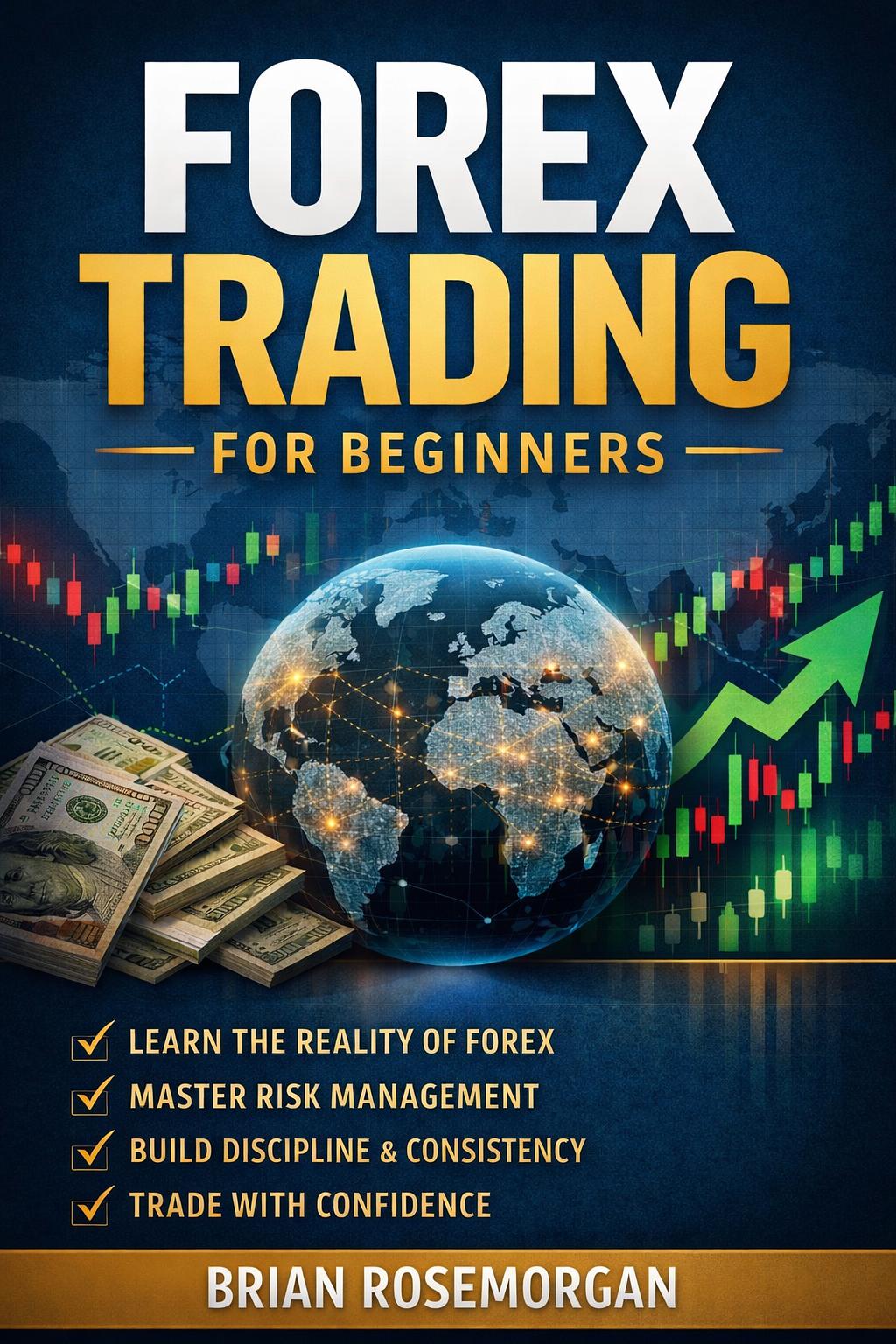
If you’ve enjoyed this free Academy, my book brings everything together in one structured beginner-friendly guide. It’s designed as a simple reference to accompany the lessons you’ll complete here on TryBuying.
🎉 Congratulations!
You have completed The 1% Risk Rule.
Click below to save your progress and return to Module 3 – Lesson 2 in the Academy.
Your progress will be saved automatically. When you return to the Academy, Lesson 2 should show as completed.
Disclaimer: Forex trading and CFDs involve significant risk and may not be suitable for every investor. The information provided on this website is for educational purposes only and should not be considered financial, investment, or trading advice. Always verify that your broker is properly regulated before depositing funds, and practise on a demo account before trading with real money. Never risk money you cannot afford to lose. Past performance does not guarantee future results. Please read our full
Risk Disclosure.