
Updated August 2026

Brian Rosemorgan
Retired Professional Trader | 8+ Years Experience | South Africa
Questions?
Forex Broker Comparison for Beginners: How to Choose the Right Broker
Choosing a forex broker is one of the most important decisions a beginner will make before putting real money into the market. Brokers can differ considerably in regulation, trading costs, platforms, execution, account types, leverage, deposit methods and withdrawal conditions.
A broker offering the lowest advertised spread is not automatically the best choice. A slightly higher trading cost may be acceptable if the broker provides stronger regulation, transparent conditions, reliable withdrawals and a trading platform that suits your needs. The goal is to compare the complete trading environment rather than focusing on one feature.
In this lesson, you will learn how to compare forex brokers systematically. You will discover which factors deserve the most attention, how to identify misleading marketing claims, and how South African traders can create a simple broker checklist before opening either a demo or live trading account.
1. Start With Regulation and Trust
The first question when comparing brokers should be whether the broker and the specific entity serving you are properly regulated. Regulation does not remove trading risk, but appropriate regulatory oversight can provide important protections. Always verify regulatory information independently rather than relying only on claims made on a broker’s website.
2. Compare Spreads and Commissions
Trading costs can have a significant effect on long-term results. Compare spreads, commissions, overnight financing and any other applicable charges. A broker advertising extremely low spreads may compensate through commissions or other fees, so examine the complete cost of executing and holding trades rather than judging a broker by its headline spread.
3. Examine Trading Platforms and Execution
A broker should provide a platform that you can use confidently. MT4 and MT5 are common choices, while some brokers provide proprietary platforms. Look at execution speed, order types, charting tools, stability and mobile access. Beginners should test the platform on demo before committing real money.
4. Check Deposits and Withdrawals
Funding an account is only one part of the process. You should also understand how withdrawals work, which payment methods are supported, minimum withdrawal amounts and whether additional verification is required. A broker’s withdrawal process deserves as much attention as its deposit options.
5. Compare the Complete Trading Package
The best broker for one trader may not be the best broker for another. Consider regulation, costs, platforms, instruments, account currencies, customer support, execution and withdrawals together. A simple comparison checklist can prevent beginners from choosing a broker based on advertising, bonuses or one attractive feature.
💡 Brian’s Expert Advice
During my years of trading, I learned not to choose a broker simply because somebody says it is the “best”. Your broker is responsible for handling your trading account and executing your orders, so the decision deserves careful research. I recommend comparing several brokers, checking regulation independently and using a demo account before depositing meaningful amounts of money.
| Key Feature | What You Need to Know | Actionable Takeaway |
|---|---|---|
| Regulation | Regulation and the identity of the entity serving you are important parts of broker due diligence. | Verify regulatory information independently before depositing funds. |
| Trading Costs | Spreads, commissions and overnight charges can all contribute to the cost of trading. | Compare the complete fee structure rather than only the advertised spread. |
| Withdrawals | A convenient deposit method is not useful if withdrawing funds is difficult or poorly explained. | Read the current withdrawal requirements before opening an account. |
Frequently Asked Questions
1. How do I compare forex brokers?
Compare regulation, trading costs, platforms, execution, available instruments, account currencies, deposits, withdrawals and customer support. Do not choose a broker based on one feature alone. A structured checklist makes it easier to compare several brokers objectively before deciding which one deserves further investigation.
2. What is the most important factor when choosing a forex broker?
Regulation and trust should be among the first considerations. You should establish which legal entity will hold and service your account and verify its regulatory status. After that, compare costs, platforms, execution, withdrawals and other conditions that affect your particular trading requirements.
3. Should beginners choose a broker with low spreads?
Low spreads can reduce trading costs, but they should not be the only consideration. A broker with low advertised spreads may charge commissions or other fees. Compare the total cost of trading while also considering regulation, execution quality, platform reliability and withdrawal conditions.
4. Why are broker withdrawals important?
Depositing money is easy to focus on when opening an account, but withdrawing your money is equally important. Before funding an account, understand the broker’s withdrawal methods, verification requirements, processing times and applicable fees. Always read the current terms rather than relying on old reviews.
5. Should I compare brokers using a demo account?
Yes. A demo account allows you to test the trading platform and become familiar with order placement, charts and account management without immediately risking real money. It can also help you determine whether the broker’s platform and trading environment suit your needs.
6. Are international forex brokers safe for South African traders?
Safety depends on the broker, the legal entity serving you and the applicable regulatory framework. South African traders should carefully verify which entity they are dealing with and understand what protections apply. Never assume that an international broker is safe simply because it has a well-known brand.
7. What trading platforms should beginners look for?
MT4 and MT5 are widely used platforms, while some brokers offer proprietary systems. Beginners should choose a platform they can understand and operate confidently. Test charting, order placement, stop-loss functions and other important features on demo before trading live.
8. Is the cheapest forex broker always the best?
No. The cheapest advertised spread does not necessarily represent the lowest overall cost or the best trading environment. Regulation, execution, withdrawal conditions, platform reliability and customer support are also important. A broker should be evaluated as a complete package rather than by price alone.
9. How many forex brokers should I compare?
There is no fixed number, but comparing several reputable brokers can help you identify meaningful differences in regulation, costs and services. The objective is not to find the broker with the most features but to identify a broker that meets your requirements and passes your safety checks.
🛠 Brokers to Consider for Demo Trading
If you are comparing forex brokers, I recommend starting with a demo account rather than rushing into live trading. Compare regulation, spreads, commissions, execution, platform availability, withdrawal conditions and customer support before making a decision.
The brokers below are included because they offer demo-trading options. This section contains affiliate links, so I may receive a commission if you open an account through one of the links. This does not mean that either broker is suitable for every trader. Always research the broker yourself and verify its current regulatory status and trading conditions before opening an account.
XM
✔ Demo account available
✔ MT4 & MT5
✔ Multiple account options
✔ Educational resources
An option to investigate if you want to practise trading on demo while comparing its costs, platforms and account conditions with other brokers.
AvaTrade
✔ Demo account available
✔ MT4 & MT5
✔ AvaTradeGO platform
✔ Educational resources
Another option to investigate if you want to compare platforms, trading conditions and educational resources while practising on demo.
Important: Spreads, commissions, leverage and other trading conditions can change. Always check the broker’s current terms, costs, regulation and withdrawal requirements before opening an account.
📘 Forex Trading for Beginners
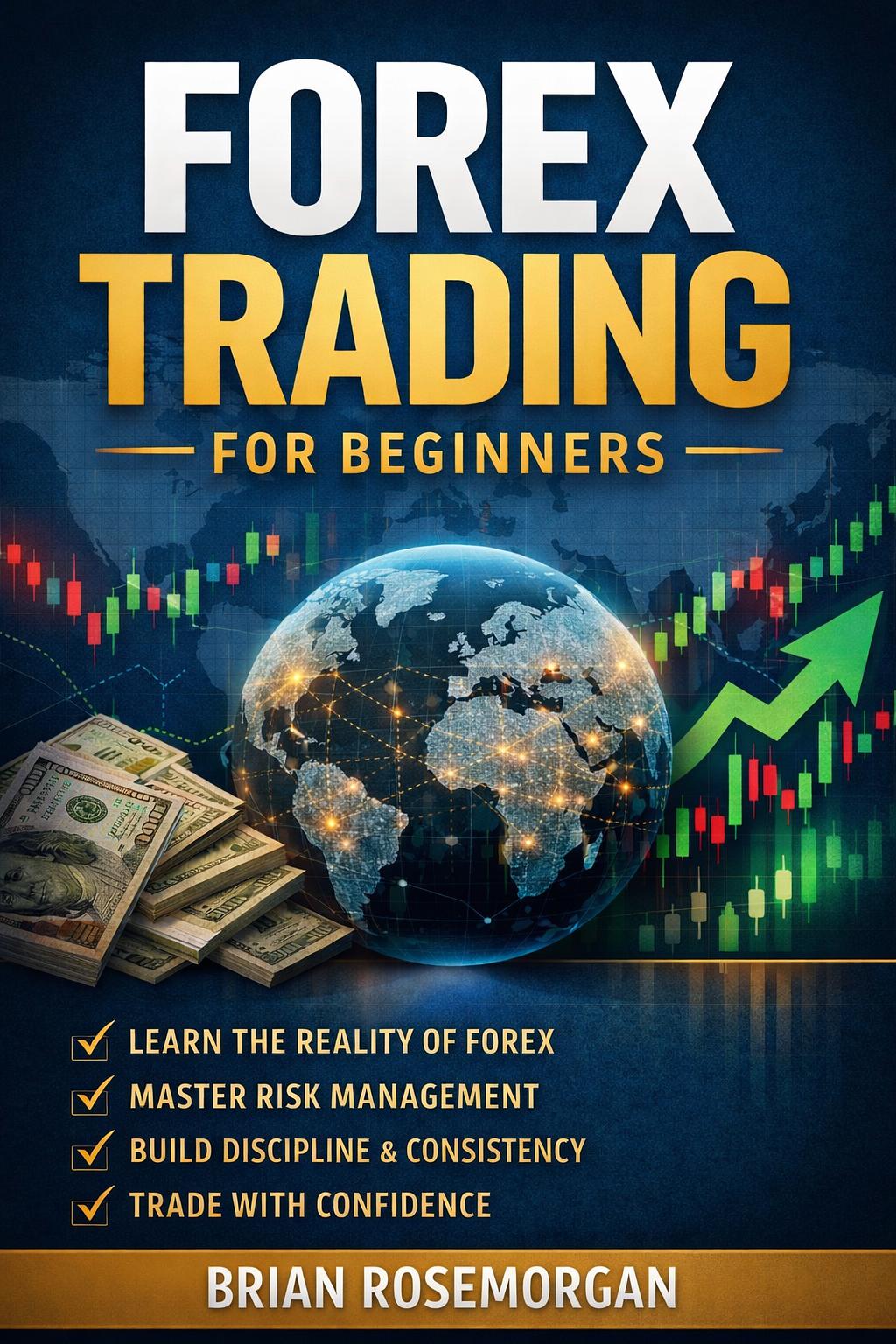
If you’ve enjoyed this free Academy, my book brings everything together in one structured beginner-friendly guide. It’s the perfect companion to the lessons you’ll complete here on TryBuying.
🎉 Lesson Complete
Congratulations! You have completed Forex Broker Comparison.
Click below to record your progress and continue to the next lesson.
Your progress will be saved automatically. Return to the Academy and continue with your next lesson whenever you’re ready.
Disclaimer: Forex trading and CFDs involve significant risk and may not be suitable for every investor. The information provided on this website is for educational purposes only and should not be considered financial, investment, or trading advice. Always verify that your broker is properly regulated before depositing funds, and practice on a demo account before trading with real money. Never risk money you cannot afford to lose. Past performance does not guarantee future results. Please read our full Risk Disclosure.