
Updated August 2026

Brian Rosemorgan
Retired Professional Trader | 8+ Years Experience | South Africa
Questions?
Offshore vs Local Forex Brokers in South Africa: What Traders Need to Know
South African forex traders may come across both locally established brokers and offshore brokers when searching for a trading account. While both may provide access to the forex market, they can differ in regulation, legal jurisdiction, client protections, account structures, available products and how complaints are handled.
A local broker operating under South African regulation may provide a different level of regulatory oversight from a broker based outside South Africa. An offshore broker may be regulated in another country, but that does not automatically mean it offers the same protections or legal recourse available through a South African-regulated provider.
In this lesson, you will learn how local and offshore brokers differ, what regulation actually means, what questions to ask before opening an account, and why checking the legal entity behind a broker is more important than simply choosing the broker with the highest leverage or lowest advertised spread.
1. What Is a Local Forex Broker?
A local forex broker serving South African clients may operate through a South African legal entity and may be authorised by the Financial Sector Conduct Authority (FSCA) where the relevant financial services require authorisation. Traders should always verify the exact legal entity and its current regulatory status rather than relying only on the broker’s brand name.
2. What Is an Offshore Forex Broker?
An offshore broker is generally a broker whose relevant legal entity is based outside South Africa and may be regulated by a foreign regulator. The quality of oversight can vary considerably between jurisdictions, so traders should identify which company will actually hold their account and which regulator supervises that company.
3. Why Does Regulation Matter?
Regulation can establish rules concerning how financial firms operate, but regulatory protection varies between jurisdictions and circumstances. Being regulated does not guarantee that a trader will make money or that losses cannot occur. Always check the regulator, licence status, legal entity and protections that actually apply to your account.
4. Local vs Offshore: What Should You Compare?
Do not compare brokers only by leverage or spreads. Consider regulation, client-fund arrangements, withdrawal procedures, trading costs, available platforms, customer support, dispute procedures and the products offered. A broker that looks attractive on price may not necessarily be the best choice for your individual circumstances.
5. The Importance of Checking the Legal Entity
One of the most important checks is identifying the exact company that will provide your trading services. Large broker groups can operate through several legal entities in different countries. The protections available to you depend on the entity under which your account is opened, not simply the name displayed on the website.
💡 Brian’s Expert Advice
One of the biggest lessons I learned during my years of trading is that choosing a broker should never be based simply on the biggest bonus, highest leverage or lowest advertised spread. Before depositing money, I would want to know exactly which company I am dealing with, where it is regulated and how withdrawals and complaints are handled.
For beginners, my advice is simple: start with a demo account, investigate the broker carefully and understand the conditions before putting real money at risk. A little research before opening an account can save you a great deal of trouble later.
| Key Feature | What You Need to Know | Actionable Takeaway |
|---|---|---|
| Regulation | Local and offshore brokers may be supervised by different regulators with different rules and protections. | Verify the regulator and licence of the exact legal entity before opening an account. |
| Legal Jurisdiction | The country in which your broker’s legal entity operates can affect complaints, legal rights and available protections. | Find out which company will actually hold and administer your account. |
| Trading Conditions | Leverage, spreads, commissions, products and account conditions can vary between entities. | Compare the complete trading conditions rather than focusing on one advertised feature. |
Frequently Asked Questions
1. What is a local forex broker in South Africa?
A local forex broker generally refers to a broker operating through a South African legal entity and, where applicable, authorised by the FSCA for the financial services it provides. Always verify the broker’s current licence details directly with the regulator rather than relying solely on advertising or claims made on the broker’s website.
2. What is an offshore forex broker?
An offshore forex broker is generally a broker whose relevant legal entity operates outside South Africa. It may be regulated by a foreign authority, but the rules and protections available to South African clients can differ from those applying to a locally regulated entity.
3. Are offshore forex brokers illegal in South Africa?
The situation is more complicated than simply saying that every offshore broker is illegal. Traders should check the broker’s legal entity, regulatory status and whether it is permitted to provide the relevant services to South African clients. When in doubt, seek independent legal or regulatory guidance.
4. Is a South African regulated forex broker safer?
Regulation can provide important oversight and rules, but no regulator can eliminate trading risk or guarantee that a broker will never fail. A South African trader should still investigate the broker’s licence, legal entity, withdrawal procedures, costs and terms before depositing money.
5. How can I check if a forex broker is regulated?
Check the regulator’s official register and search for the exact legal company name and licence information. Do not rely only on a licence number displayed on a broker’s website. Make sure the registration belongs to the entity that will actually provide your trading account.
6. Why do offshore brokers often offer higher leverage?
Leverage limits vary between jurisdictions and regulatory regimes. Some offshore entities may offer higher leverage than brokers operating under stricter regulatory requirements. Higher leverage can increase the size of positions a trader can control, but it also increases the potential for rapid losses.
7. Should beginners use an offshore forex broker?
Beginners should not choose a broker simply because it offers high leverage or attractive bonuses. A new trader should first understand regulation, costs, withdrawals and risk management. Starting with a demo account can also help you evaluate a platform before committing real money.
8. What should I check before depositing money with a broker?
Check the exact legal entity, regulator, licence status, trading costs, withdrawal rules, available platforms, customer support and account terms. Also search for independent information about the broker and make sure you understand who you are contracting with before transferring funds.
9. Can I lose money with a regulated forex broker?
Yes. Regulation does not remove normal trading risk. Forex and CFDs can result in substantial losses, particularly when leverage is used. Regulation is about oversight and conduct requirements, not a guarantee that your trading strategy will be profitable or that every trade will succeed.
🛠 Brokers to Consider for Demo Trading
If you are still learning how brokers work, I recommend starting with a demo account rather than rushing into live trading. When comparing brokers, look beyond advertised spreads and consider regulation, commissions, execution, platform availability, withdrawal conditions and customer support.
The brokers below are included because they offer demo-trading options. This section contains affiliate links, so I may receive a commission if you open an account through one of the links. This does not mean that either broker is suitable for every trader. Always research the broker yourself and verify its current regulatory status and trading conditions before opening an account.
XM
✔ Demo account available
✔ MT4 & MT5
✔ Multiple account options
✔ Educational resources
An option to investigate if you want to practise trading on demo while comparing its costs, platforms and account conditions with other brokers.
AvaTrade
✔ Demo account available
✔ MT4 & MT5
✔ AvaTradeGO platform
✔ Educational resources
Another option to investigate if you want to compare platforms, trading conditions and educational resources while practising on demo.
Important: Spreads, commissions, leverage and other trading conditions can change. Always check the broker’s current terms, costs, regulation and withdrawal requirements before opening an account.
📘 Forex Trading for Beginners
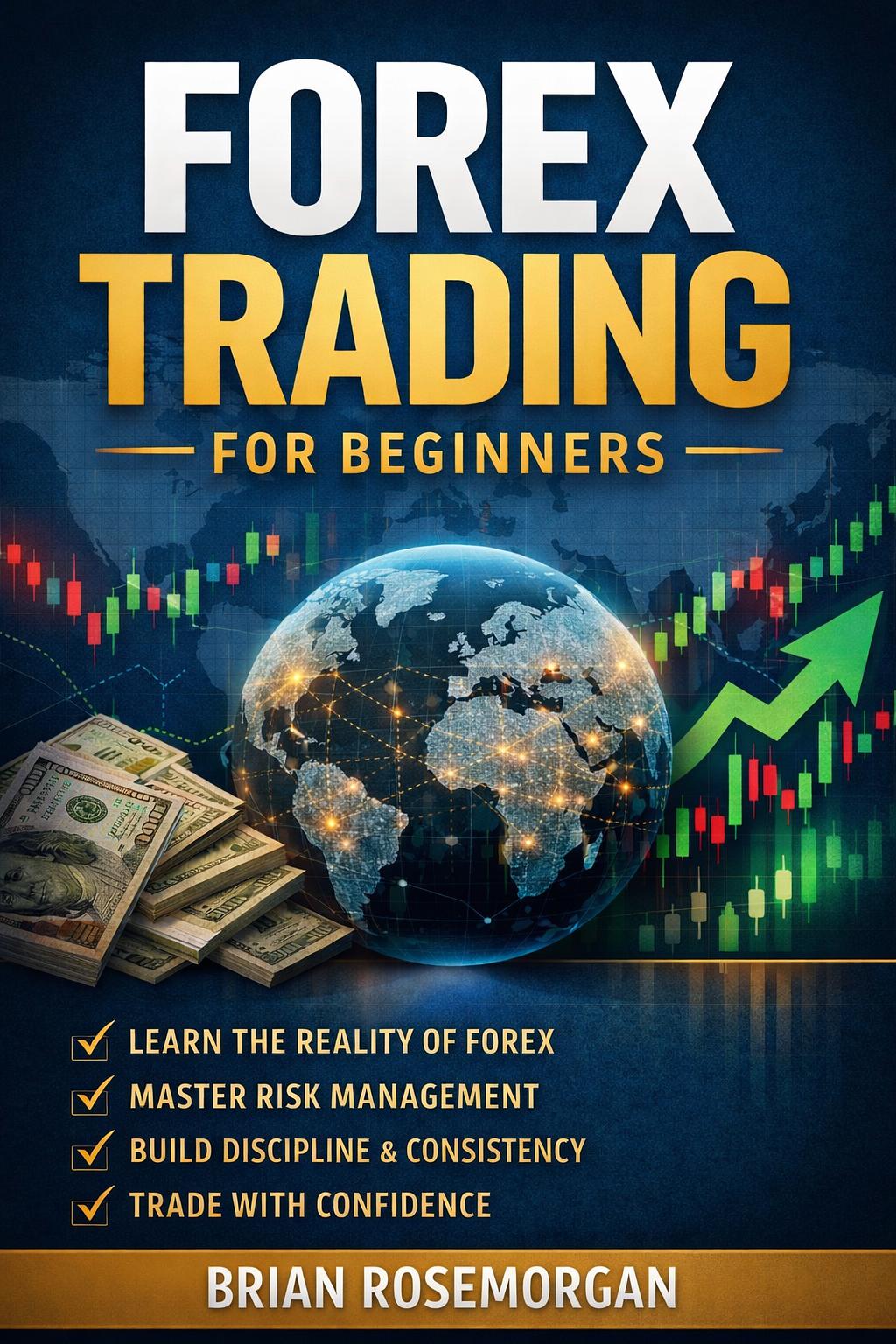
If you’ve enjoyed this free Academy, my book brings everything together in one structured beginner-friendly guide. It’s the perfect companion to the lessons you’ll complete here on TryBuying.
🎉 Lesson Complete
Congratulations! You have completed Offshore vs Local Forex Brokers in South Africa.
Click below to record your progress and return to the Academy.
Your progress will be saved automatically. Return to the Academy and continue with your next lesson whenever you’re ready.
Disclaimer: Forex trading and CFDs involve significant risk and may not be suitable for every investor. The information provided on this website is for educational purposes only and should not be considered financial, investment, or trading advice. Always verify that your broker is properly regulated before depositing funds, and practice on a demo account before trading with real money. Never risk money you cannot afford to lose. Past performance does not guarantee future results. Please read our full Risk Disclosure