
Updated August 2026
Brian Rosemorgan
Retired Professional Trader | 8+ Years Experience | South Africa
Questions?
How to Report Forex Broker Fraud in South Africa: A Practical Guide
Forex trading can provide opportunities, but unfortunately the industry also attracts dishonest operators, fake brokers and online scams. South African traders should know what warning signs to look for and what steps to take if they believe a broker or trading service has acted fraudulently.
Broker fraud can take many forms, including false promises of guaranteed profits, pressure to deposit more money, misleading account statements, difficulty withdrawing funds or impersonation of legitimate financial companies. Recognising these warning signs early can help protect your money and personal information.
In this lesson, you will learn how to document a suspected scam, preserve important evidence, contact the appropriate authorities and avoid making the situation worse. The goal is not to investigate a company yourself, but to give you a practical process for reporting concerns through the proper channels.
1. Recognising the Warning Signs of Broker Fraud
Common warning signs include guaranteed returns, aggressive sales pressure, promises of quick profits, unexplained fees and repeated requests for additional deposits before allowing withdrawals. A broker that becomes difficult to contact after receiving money should also be treated as a serious warning sign.
2. Stop Sending More Money
If you suspect that you are dealing with a fraudulent broker, be extremely cautious about sending additional funds. Scammers may claim that you need to pay a tax, withdrawal fee, verification charge or recovery fee before your money can be released. Sending more money does not guarantee recovery.
3. Preserve Your Evidence
Keep copies of emails, WhatsApp conversations, account statements, transaction records, screenshots, website addresses and payment confirmations. Record the dates and amounts involved. Do not delete messages simply because they are embarrassing or appear unimportant, as they may help authorities understand what happened.
4. Report the Matter Through the Correct Channels
South African traders should consider reporting suspected financial misconduct to the appropriate authorities. Depending on the circumstances, this may include the Financial Sector Conduct Authority, the South African Police Service or your bank or payment provider. Use official contact details rather than telephone numbers supplied by the suspected scammer.
5. Be Careful With Recovery Scams
After losing money, victims can become targets for another type of scam. Fraudsters may claim that they can recover your trading funds for an upfront payment. Treat unsolicited recovery offers with extreme caution. Never assume that someone offering to recover your money is legitimate simply because they know details about your original loss.
💡 Brian’s Expert Advice
One of the biggest lessons I learned during my years around the forex market is that protecting your money starts before you make a deposit. Do not allow excitement, fear of missing out or pressure from a salesperson to make the decision for you.
If something goes wrong, stay calm and keep records of everything. Do not send more money simply because somebody promises that another payment will unlock your withdrawal. Take your time, verify information independently and report suspected fraud through recognised channels.
| Key Feature | What You Need to Know | Actionable Takeaway |
|---|---|---|
| Warning Signs | Guaranteed profits, aggressive pressure, withdrawal problems and unexplained fees can indicate serious concerns. | Stop and independently investigate before sending more money. |
| Evidence | Messages, payment records, screenshots and account statements can help establish what happened. | Save and organise all relevant evidence. |
| Reporting | Different authorities handle different aspects of suspected fraud. | Use official authority and financial institution contact channels. |
Frequently Asked Questions
1. How do I report a forex broker scam in South Africa?
Start by collecting evidence such as payment records, communications, screenshots and account information. You can then report suspected financial misconduct to the appropriate South African authorities and notify your bank or payment provider where relevant. Always use independently verified official contact details.
2. What should I do if my forex broker refuses to process a withdrawal?
Do not automatically send additional money because the broker claims a further payment is required. Save all communications and transaction records, verify the broker’s regulatory status independently and consider contacting your bank or payment provider and the appropriate financial authorities.
3. Should I pay a fee to recover money from a forex scam?
Be extremely cautious. Fraud victims are frequently targeted by people claiming they can recover lost funds for an upfront payment. There is no guarantee that such a service is legitimate. Verify any recovery company independently before providing money or personal information.
4. What evidence should I keep after a forex scam?
Keep screenshots, emails, WhatsApp messages, account statements, payment confirmations, bank records, website addresses, telephone numbers and details of conversations with the broker. Also record dates, amounts and the names of people involved. Keeping the original evidence can make reporting easier.
5. Can my bank help if I paid a fraudulent forex broker?
You should contact your bank or payment provider as soon as possible and explain that you believe the transaction may involve fraud. The available options depend on the payment method, transaction type and circumstances. Do not assume that a payment can automatically be reversed.
6. How can I check whether a forex broker is regulated?
South African traders should independently verify regulatory information rather than relying solely on a broker’s website or salesperson. Check the relevant regulator’s official records and make sure the legal entity, licence information and contact details correspond with the company you are dealing with.
7. What is a forex recovery scam?
A recovery scam occurs when someone approaches a person who has already lost money and claims they can recover it for a fee. The scammer may pretend to be a lawyer, investigator, regulator or recovery specialist. Never assume an unsolicited recovery offer is genuine.
8. Should I confront a suspected fraudulent broker?
You can communicate with the company to document the issue, but avoid threats, harassment or sending additional money simply because they make new promises. Preserve the evidence and use appropriate reporting channels. Independent verification is more useful than relying on assurances from the suspected operator.
9. Can reporting a forex scam guarantee that I will get my money back?
No. Reporting suspected fraud is important, but it does not guarantee that lost funds will be recovered. Recovery can depend on the payment method, the circumstances of the transaction, the parties involved and whether funds can still be traced or recovered.
🛠 Brokers to Consider for Demo Trading
If you are learning about broker safety, I recommend starting with a demo account rather than rushing into live trading. When comparing brokers, look beyond advertised spreads and consider regulation, commissions, execution, platform availability, withdrawal conditions and customer support.
The brokers below are included because they offer demo-trading options. This section contains affiliate links, so I may receive a commission if you open an account through one of the links. This does not mean that either broker is suitable for every trader. Always research the broker yourself and verify its current regulatory status and trading conditions before opening an account.
XM
✔ Demo account available
✔ MT4 & MT5
✔ Multiple account options
✔ Educational resources
An option to investigate if you want to practise trading on demo while comparing its costs, platforms and account conditions with other brokers.
AvaTrade
✔ Demo account available
✔ MT4 & MT5
✔ AvaTradeGO platform
✔ Educational resources
Another option to investigate if you want to compare platforms, trading conditions and educational resources while practising on demo.
Important:
Spreads, commissions, leverage and other trading conditions can change. Always check the broker’s current terms, costs, regulation and withdrawal requirements before opening an account.
📘 Forex Trading for Beginners
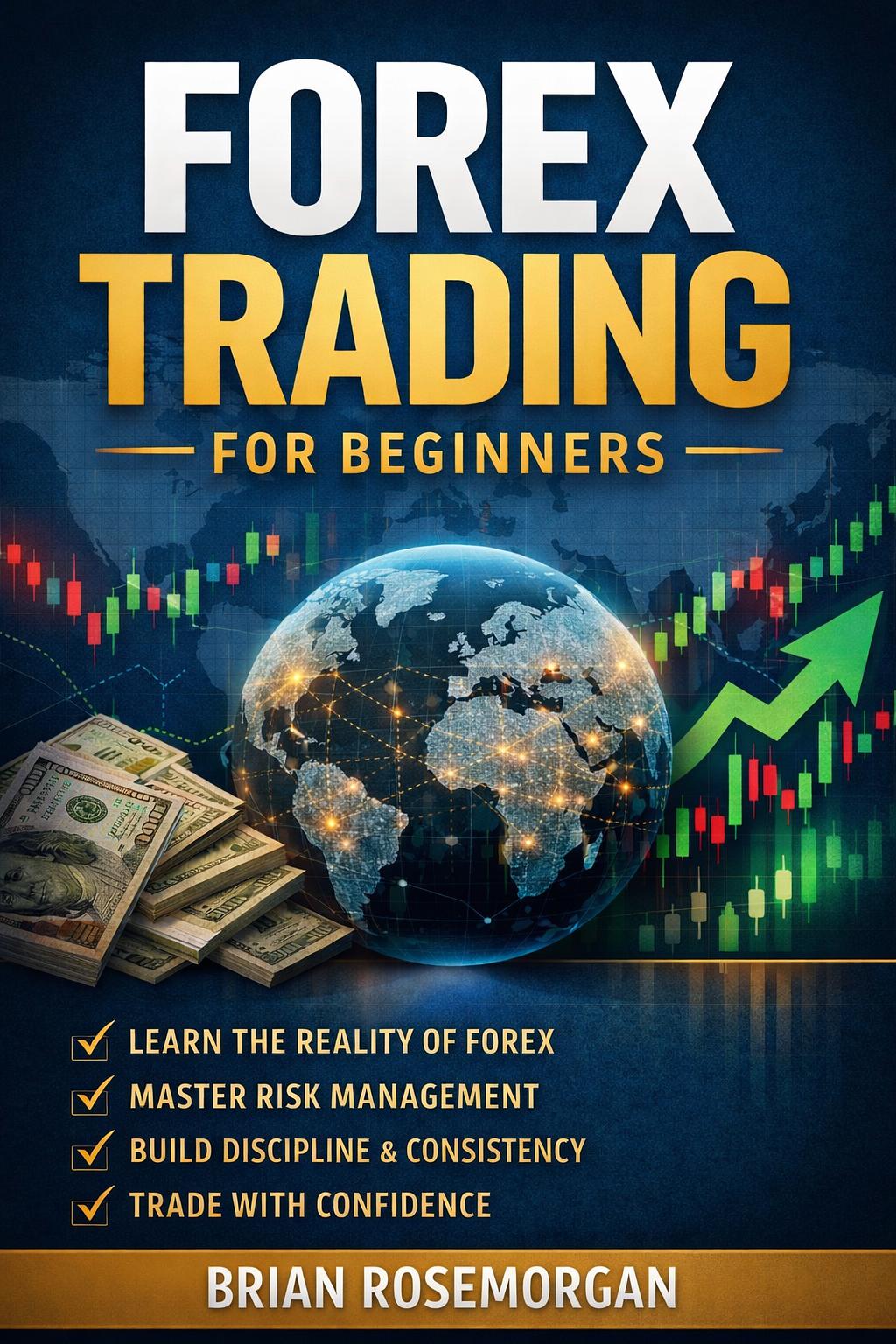
If you’ve enjoyed this free Academy, my book brings everything together in one structured beginner-friendly guide. It’s the perfect companion to the lessons you’ll complete here on TryBuying.
🎉 Lesson Complete
Congratulations! You have completed
Reporting Broker Fraud.
Click below to record your progress and return to the Academy.
Your progress will be saved automatically. Return to the Academy and continue with your next lesson whenever you’re ready.
Disclaimer: Forex trading and CFDs involve significant risk and may not be suitable for every investor. The information provided on this website is for educational purposes only and should not be considered financial, investment, or trading advice. Always verify that your broker is properly regulated before depositing funds, and practice on a demo account before trading with real money. Never risk money you cannot afford to lose. Past performance does not guarantee future results. Please read our full
Risk Disclosure