
updated august 2026

Brian Rosemorgan
Retired Professional Trader | 8+ Years Experience | South Africa
Questions?
Managing Open Positions: Take Profit and Stop Loss Orders
Once you have opened a forex trade, managing the position becomes just as important as finding the entry. Two of the most important tools available to traders are the Stop Loss and Take Profit orders. They allow you to define in advance where you want a trade to close if the market moves against you or in your favour.
A Stop Loss is designed to limit the potential loss on an open position, while a Take Profit is designed to close the trade once your chosen profit target has been reached. Using these orders can help remove some emotion from trading because your exit levels are established before the market reaches them.
In this lesson, you will learn how Stop Loss and Take Profit orders work, where they can be placed, why risk-to-reward matters, and some of the common mistakes beginners make when managing open positions. The aim is not to predict every market move, but to give you a structured approach to controlling risk and managing your trades.
1. What Is a Stop Loss Order?
A Stop Loss is an instruction that can automatically close an open position when the market reaches a specified price. For a buy trade, the Stop Loss is normally placed below the entry price. For a sell trade, it is normally placed above the entry price. Its main purpose is to control potential loss.
2. What Is a Take Profit Order?
A Take Profit order automatically closes an open position when the market reaches your chosen profit target. For a buy trade, the target is normally above the entry price. For a sell trade, it is normally below the entry price. It allows traders to define their intended profit target in advance.
3. Where Should You Place Your Stop Loss?
A Stop Loss should not simply be placed at an arbitrary distance from your entry. Traders may consider market structure, support and resistance, volatility and their overall risk limit. The position size should also be adjusted so that the distance to the Stop Loss does not create excessive financial risk.
4. How Take Profit and Stop Loss Work Together
Stop Loss and Take Profit orders can be used together to create a predefined trading plan. Before entering, you can identify where the trade becomes invalid and where you would be satisfied taking profit. This helps establish your potential risk and reward before you commit capital to the position.
5. Why Managing Risk Matters
A trader can be right about the direction of the market and still lose money if risk is poorly managed. A Stop Loss cannot guarantee a particular exit price in every market condition, and a Take Profit does not guarantee that a strategy will be profitable. Position size and disciplined risk management remain essential.
💡 Brian’s Expert Advice
One of the biggest lessons I learned from trading is that you should know how much you are prepared to lose before you enter a trade. I never wanted to enter a position and then decide what to do after the market started moving against me. For beginners, practise placing Stop Loss and Take Profit orders on a demo account until the process becomes second nature. Your first priority should always be protecting your trading capital.
| Key Feature | What You Need to Know | Actionable Takeaway |
|---|---|---|
| Stop Loss | Designed to close an open trade when price reaches a specified level against your position. | Decide your acceptable risk before entering the trade. |
| Take Profit | Designed to close an open trade when price reaches your predetermined profit target. | Set a realistic target based on your trading plan rather than emotion. |
| Risk-to-Reward | Compares the amount you are prepared to risk with the potential reward of the trade. | Consider the potential risk and reward before opening the position. |
Frequently Asked Questions
1. What is a Stop Loss in forex trading?
A Stop Loss is an order used to automatically close an open forex position when the market reaches a specified price. It is primarily used to help control potential losses. The exact execution price may differ from the Stop Loss level during fast-moving markets or other unusual conditions.
2. What is a Take Profit order in forex?
A Take Profit order is used to automatically close an open forex position when the market reaches a predetermined profit target. It allows traders to establish an exit level in advance rather than relying on a decision made while the trade is already moving.
3. Where should I place my Stop Loss?
There is no single Stop Loss level that is correct for every trade. Traders may consider support and resistance, market structure, volatility and their trading strategy. Your position size should also reflect the distance between your entry and Stop Loss so that your potential loss remains within your planned risk.
4. Where should I place my Take Profit?
A Take Profit should normally be based on your trading plan and the market conditions rather than simply choosing an attractive-looking number. Some traders use support and resistance, previous price levels or a predefined risk-to-reward approach when deciding where to take profit.
5. Can I use Stop Loss and Take Profit together?
Yes. Many traders use both orders on the same position. The Stop Loss defines the level where the trade should be closed if it moves against the plan, while the Take Profit defines the intended profit target. Together they can help create a structured exit plan before entering the market.
6. Can a Stop Loss guarantee my exact exit price?
No. A Stop Loss is designed to help limit losses, but it cannot always guarantee the exact price at which a trade will close. During volatile markets, gaps or periods of limited liquidity, execution can occur at a different price. Always understand your broker’s specific order-execution conditions.
7. Should beginners always use a Stop Loss?
Beginners should understand how Stop Loss orders work and how they fit into a broader risk-management plan. A Stop Loss is not a substitute for proper position sizing. Practising with a demo account first can help you understand how your broker handles Stop Loss orders under different market conditions.
8. What happens if the market reaches my Take Profit?
When the market reaches the Take Profit level, the order is normally triggered and the open position is closed according to the broker’s execution rules. The resulting profit depends on the actual execution price and the size of the position. Market conditions can affect execution.
9. What is a good risk-to-reward ratio in forex?
There is no universal risk-to-reward ratio that guarantees success. A ratio such as 1:2 means you are targeting approximately twice the potential reward compared with the amount you are prepared to risk. The appropriate ratio depends on your strategy, win rate, market conditions and overall risk management.
🛠 Brokers to Consider for Demo Trading
If you are learning forex risk management, I recommend starting with a demo account rather than rushing into live trading. When comparing brokers, look beyond advertised spreads and consider regulation, commissions, execution, platform availability, withdrawal conditions and customer support.
The brokers below are included because they offer demo-trading options. This section contains affiliate links, so I may receive a commission if you open an account through one of the links. This does not mean that either broker is suitable for every trader. Always research the broker yourself and verify its current regulatory status and trading conditions before opening an account.
XM
✔ Demo account available
✔ MT4 & MT5
✔ Multiple account options
✔ Educational resources
An option to investigate if you want to practise managing open positions on demo while comparing its costs, platforms and account conditions with other brokers.
AvaTrade
✔ Demo account available
✔ MT4 & MT5
✔ AvaTradeGO platform
✔ Educational resources
Another option to investigate if you want to compare platforms, trading conditions and educational resources while practising Stop Loss and Take Profit orders on demo.
Important: Spreads, commissions, leverage and other trading conditions can change. Always check the broker’s current terms, costs, regulation and withdrawal requirements before opening an account.
📘 Forex Trading for Beginners
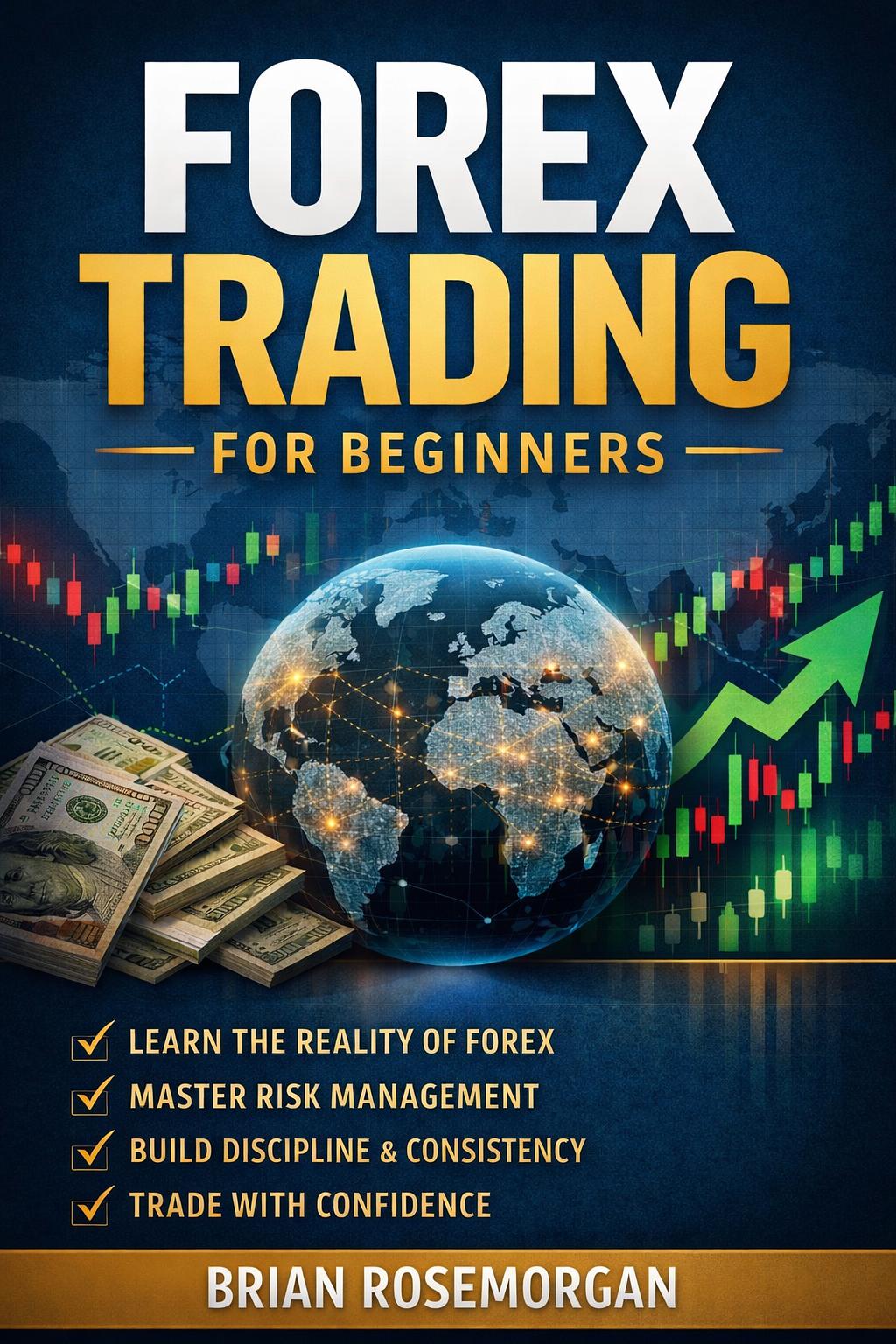
If you’ve enjoyed this free Academy, my book brings everything together in one structured beginner-friendly guide. It’s the perfect companion to the lessons you’ll complete here on TryBuying.
return to your lesson
Disclaimer: Forex trading and CFDs involve significant risk and may not be suitable for every investor. The information provided on this website is for educational purposes only and should not be considered financial, investment, or trading advice. Always verify that your broker is properly regulated before depositing funds, and practice on a demo account before trading with real money. Never risk money you cannot afford to lose. Past performance does not guarantee future results. Please read our full Risk Disclosure
relevent schama