
updated august 2026

Brian Rosemorgan
Retired Professional Trader | 8+ Years Experience | South Africa
Questions?
Forex Trading for Beginners South Africa
Learning how to trade forex starts with understanding how the foreign exchange market works, how currency prices move and how to manage risk before committing real money. This Forex Trading for Beginners South Africa guide provides a practical introduction for South Africans who want to learn forex trading from the ground up.
Forex trading involves buying one currency while selling another to take advantage of changes in exchange rates. Before placing a trade, beginners need to understand currency pairs, pips, spreads, leverage, trading platforms and the factors that influence market prices. It is equally important to learn how trading costs and potential losses can affect your capital.
South African beginners should also understand how exchange rate movements affect forex trading. For example, the USD/ZAR currency pair shows how many South African rand are needed to buy one US dollar. Changes in this exchange rate can create trading opportunities, but they can also lead to losses. Understanding how currency pairs work is an important first step before learning how to analyse the market or place a trade.
For South African beginners, choosing a suitable broker also means understanding how to check regulatory information, including the Financial Sector Conduct Authority (FSCA), where applicable. You should also learn how South African Standard Time (SAST) relates to global forex trading sessions and how to evaluate trading costs before choosing a trading approach.
The safest starting point is to build your knowledge, practise on a demo account and develop a risk management plan before considering live trading. Forex trading carries a significant risk of loss, and profits are never guaranteed.
.
What Is Forex Trading and How Does It Work?
Forex trading, also called foreign exchange trading, is the buying and selling of currencies to potentially profit from changes in their exchange rates. The forex market is the global marketplace where currencies are exchanged, including the US dollar (USD), euro (EUR) and South African rand (ZAR).
How does forex trading work? Currencies are traded in pairs, such as EUR/USD or USD/ZAR. The first currency is called the base currency, and the second is the quote currency. The exchange rate shows how much of the quote currency is needed to buy one unit of the base currency.
For example, if a trader believes the US dollar will strengthen against the South African rand, they might buy USD/ZAR. If the exchange rate rises, the trade may generate a profit; if it falls, the trader may incur a loss. Actual results also depend on spreads, trading costs and the type of position taken.
Forex prices move in response to factors such as interest rates, inflation, economic reports, political developments and changes in supply and demand. Trades are commonly placed through a broker’s trading platform, where traders can monitor prices and manage their positions.
Before trading with real money, beginners should understand currency pairs, pips, spreads, leverage and risk management. A demo account is a useful way to practise placing trades and learn how the market works without risking real capital. However, demo trading does not eliminate the risks involved in live trading, where losses can occur quickly.
3.Starting Forex Trading as a Beginner in South Africa
Starting forex trading as a beginner involves learning how the foreign exchange market works before risking real money. New traders should first understand currency pairs, pips, spreads, leverage and how buying and selling currencies can result in either profits or losses. Building this foundation helps beginners make more informed decisions instead of trading based on guesswork.
A sensible way to start forex trading in South Africa is to follow these steps:
-
Learn the basics of forex trading. Understand how currency pairs such as EUR/USD and USD/ZAR work, what moves exchange rates and how trading costs affect results.
-
Choose a suitable broker carefully. Check the legal entity you would be opening an account with, its regulatory status where applicable, its fees and its trading conditions. South African traders can consult the FSCA’s official resources when checking relevant local authorisation.
-
Practise with a demo account. Learn how to use the trading platform, place market and pending orders, set stop-loss orders and close positions without risking real money.
-
Develop a simple trading strategy. Decide what conditions must be present before entering a trade, when to exit and how much you are prepared to risk. Test the rules consistently rather than changing your approach after every loss.
-
Learn risk management before trading live. Understand position sizing, leverage and the possibility of losing money quickly. Never assume a stop-loss order will always execute at the exact price selected.
-
Review your progress. Keep a trading journal recording your reasons for entering and exiting trades, the outcome and any mistakes. Demo results can help you learn, although they do not guarantee similar results with real money.
South African beginners should also understand how forex market hours work in South African Standard Time (SAST), how spreads can widen during certain market conditions and how trading costs affect a strategy. There is no need to rush into depositing money or increasing trade sizes.
The most important first goal is to build knowledge, practise consistently and learn to control risk. Forex trading is risky, and neither a demo account nor a trading strategy guarantees profits.
4. Why Risk Management Matters
Risk management is one of the most important skills a beginner can develop. Forex leverage can increase market exposure and can magnify losses as well as potential gains. Keeping position sizes small, understanding stop-loss orders and never risking money required for everyday living are essential principles for responsible trading.
5. Choosing a Trading Strategy for South African Beginners
Choosing a suitable forex trading strategy is an important step for beginners in South Africa. A trading strategy provides a set of rules for deciding when to enter a trade, when to exit and how much risk to take. Rather than following random market movements or copying other traders, beginners should focus on understanding one straightforward approach and practising it consistently.
Several common forex trading strategies are available:
-
Trend trading: Identifies whether the market is generally moving upwards or downwards and looks for opportunities in that direction.
-
Support and resistance trading: Uses price levels where the market has previously struggled to move higher or lower to help identify potential trading opportunities.
-
Breakout trading: Looks for price movements beyond established support, resistance or trading ranges.
-
Moving average strategies: Uses technical indicators to help identify market direction and potential changes in momentum.
South African beginners should also consider how much time they can dedicate to trading. Short-term strategies, such as scalping, require close market monitoring and can be particularly sensitive to spreads, execution costs and sudden price movements. Longer-term approaches may require less frequent monitoring but still involve market risk.
Before choosing a strategy, learn its rules, understand the conditions in which it may perform poorly, and test it on a demo account. Keep a trading journal to record entries, exits, costs and results. This can help you identify weaknesses before risking real money.
There is no single best forex trading strategy for every beginner. The aim is to find an approach you understand, apply consistent risk management and evaluate its results over a meaningful number of trades. A strategy cannot guarantee profits, and past performance does not ensure future results.
⚠️ High-Risk Speculation Warning:
Trading Forex and CFDs involves a severe risk of total capital loss, particularly when high leverage is used. Before allocating real capital to the markets, make sure your financial foundations are secure. Never trade with money required for basic monthly living expenses or money you cannot afford to lose.
🔎 Is Forex Trading Legal and Regulated in South Africa?
Forex trading is available to South African traders, but choosing a broker carefully is extremely important. The Financial Sector Conduct Authority (FSCA) is responsible for financial-sector market conduct in South Africa, and traders should check the regulatory status of a broker before depositing funds.
When choosing a platform, check whether the broker is properly authorised and verify its current Financial Services Provider (FSP) number where applicable. You should also understand exactly which legal entity will hold your account and what protections apply to you. Avoid choosing a broker simply because it offers high leverage, large bonuses or aggressive promotions.
📈 Step-by-Step Forex Trading Plan for Beginners
Building your trading skills gradually can help prevent many of the mistakes that beginners make. Rather than rushing into live trading, work through these three stages.
Phase 1: Safe Skill Development
- Set Up a Demo Account: Start in a simulated trading environment using a platform such as MetaTrader 4 (MT4) or MetaTrader 5 (MT5).
- Learn Risk Management: Understand position sizing and practise keeping your risk small on every trade. A commonly used approach is to risk no more than 1% of an account on an individual trade.
- Study Market Hours: Learn how the major forex sessions operate and how they relate to South African Standard Time (SAST).
Phase 2: Preparing for Live Trading
- Choose Your Broker Carefully: Compare regulation, spreads, commissions, execution, platforms, deposits and withdrawals before opening a live account.
- Start With Affordable Capital: Only use money you can genuinely afford to lose. There is no reason to deposit a large amount simply because a broker allows you to.
- Study Liquid Currency Pairs: Beginners may choose to study major pairs such as EUR/USD as well as the locally relevant USD/ZAR pair.
Phase 3: Long-Term Consistency
- Monitor Trading Costs: Keep track of spreads, commissions and overnight financing or swap charges because these costs can affect trading results.
- Keep Trading Records: Record your trades, reasons for entering, exit points, risk and results. A trading journal can help identify repeated mistakes.
- Stay Disciplined: Avoid increasing your risk simply because you have experienced a winning streak. Your trading plan should remain consistent through both winning and losing periods.
📊 South African Forex Trading and SARS Tax
Tax is another important consideration for South African forex traders. The tax treatment of trading profits can depend on your individual circumstances and how your trading activities are classified. Do not assume that forex profits automatically receive the same treatment as long-term investment gains.
Keep accurate records of your trading activity, including deposits, withdrawals, closed trades, expenses and other relevant transactions. If you become consistently profitable or your trading activity becomes significant, consider obtaining professional advice from a qualified South African tax practitioner regarding your obligations to the South African Revenue Service (SARS).
💡 Brian’s Expert Advice
When I first started trading, I made many of the mistakes that beginners make. I learned that forex is not a quick way to get rich and that protecting your trading capital is more important than trying to make money on every trade.
My advice to a new South African trader is simple: start with a demo account, learn one strategy properly, keep your risk small and do not rush into live trading. You do not need to trade every day. Good traders learn to wait for opportunities that fit their plan.
One of the biggest lessons I learned from my years of trading is that surviving the market comes first. If you protect your capital and continue learning, you give yourself the opportunity to improve. If you risk too much early on, the market can teach you a very expensive lesson.
| Key Feature | What You Need to Know | Actionable Takeaway |
|---|---|---|
| Demo Trading | A demo account allows beginners to practise trading without immediately risking real money. | Practise your strategy and become familiar with the platform before considering live trading. |
| Risk Management | Every trade carries risk, and leverage can increase both potential gains and losses. | Keep your risk small and never trade money you cannot afford to lose. |
| Trading Strategy | A strategy provides rules for deciding when to enter and exit trades. | Learn one straightforward strategy rather than constantly switching between systems. |
Frequently Asked Questions
1. What Platforms Do Forex Brokers Use in South Africa?
Forex brokers serving South African traders offer different trading platforms for analysing currency prices, placing trades and managing trading accounts. The platform you use depends on the broker you choose, the features you need and whether you prefer trading on a computer, web browser or mobile phone.
Some of the most common platforms available to South African forex traders include:
-
MetaTrader 4 (MT4): A widely used forex trading platform offering price charts, technical indicators and support for automated trading through Expert Advisors (EAs).
-
MetaTrader 5 (MT5): A more feature-rich trading platform with additional timeframes, analytical tools and support for automated trading. It is also used for markets beyond forex, depending on the broker.
-
cTrader: An alternative platform offering advanced charting, order management and tools for traders who prefer a different interface.
-
TradingView: Known for its interactive charts and technical analysis tools. Trading and automated execution depend on the broker’s supported integrations.
-
Broker-owned platforms: Some brokers develop their own desktop, web or mobile platforms designed around their services and account features.
Which Forex Trading Platform Should Beginners Choose?
For South African beginners, the best starting point is a platform that is easy to understand, offers the charting tools you need and allows you to practise using a demo account. If you plan to use automated trading systems or Expert Advisors, check whether the platform supports them before opening an account.
Remember that a trading platform is not the same as a forex broker. The platform provides the tools for analysing prices and placing trades, while the broker provides access to the market and determines important conditions such as spreads, commissions, leverage and execution.
Before depositing money, verify the broker’s relevant regulatory details with the Financial Sector Conduct Authority (FSCA), where applicable, and confirm which legal entity will hold your account. Also compare trading costs, withdrawal conditions and available customer support. A familiar platform does not automatically mean that the broker is trustworthy or that trading will be profitable.
2.
Should Beginners Trade Forex with Leverage?
Forex beginners in South Africa should be cautious about using leverage, especially when trading with real money for the first time. Leverage allows you to control a larger trading position than your available capital would normally permit. Although this can increase potential profits, it also magnifies losses and can cause your account balance to fall quickly when the market moves against you.
How does leverage work? For example, with 1:100 leverage, R1,000 in margin could support a trading position worth R100,000, subject to your broker’s requirements. This does not mean you can afford to lose R100,000 without consequences. Even a relatively small adverse price movement can create a significant loss compared with your initial margin.
Beginners should understand the difference between leverage, margin and position size before opening a live trade. The amount of leverage available does not determine how much you should risk. Your position size, stop-loss level, market volatility and trading costs all influence your potential loss. Stop-loss orders can help manage risk, but execution at the requested price is not guaranteed in all market conditions.
A sensible starting point is to practise on a demo account, learn how to calculate position sizes and establish a risk management plan before considering live trading. If you eventually trade with real money, avoid choosing high leverage simply because a broker offers it, and never risk money needed for essential living expenses.
The key lesson is that beginners do not need high leverage to learn forex trading. Understanding position sizing and controlling potential losses should come before trying to increase trading returns. Leverage can increase the risk of losing your capital, and no trading strategy can guarantee a profit.
3. What currency pairs should beginners trade?
Many beginners start by studying major currency pairs because they generally have substantial liquidity and a large amount of market information is available. South African traders may also study USD/ZAR. The important point is to understand the currency pair and its risks rather than trading simply because it is popular.
4. How long does it take to learn forex trading?
There is no fixed timeframe for learning forex trading. Understanding the basic mechanics can happen relatively quickly, but developing disciplined trading habits takes practice and experience. Beginners should focus on learning gradually rather than expecting to become consistently profitable within a short period.
5. Can I Make Money Forex Trading from South Africa?
Yes, it is possible to make money trading forex from South Africa, but there is no guarantee of making a profit, and you can lose some or all of the money you put at risk. Forex trading involves buying and selling currency pairs to take advantage of exchange rate movements. Your results depend on factors such as market conditions, trading costs, position size, risk management and the quality of your trading decisions.
For South African traders, currency pairs such as USD/ZAR can provide opportunities when the exchange rate moves, but predicting these movements consistently is difficult. Spreads, commissions and leverage can also affect your results. Even a strategy that performs well in certain market conditions can experience losses when the market changes.
Beginners should focus on learning how the forex market works before trying to earn an income from it. Start with a demo account, practise a clearly defined strategy, keep a record of your trades and learn to manage risk. Never trade with money needed for essential expenses, borrow money to fund trading or assume that a small deposit will generate a reliable income.
Be cautious of anyone promising guaranteed profits, risk-free trading, accurate signals or unusually high returns in a short time. Before depositing money, check the broker’s regulatory details and understand its trading and withdrawal conditions.
The realistic goal for a beginner is to build knowledge, practise discipline and learn to control risk—not to expect quick profits. Forex trading is speculative, and even careful preparation cannot eliminate the possibility of losses.
6. Should I start with a demo account?
Yes. A demo account is one of the most useful starting points for a beginner because it allows you to practise on platforms such as MT4 or MT5 without risking real capital. Use it to learn the trading platform, test your approach and understand how trades behave before considering live trading.
7. Is forex trading legal and regulated in South Africa?
Forex trading is available in South Africa, but beginners should take care when choosing a broker. Check the broker’s current regulatory status and verify the relevant authorisation details before depositing funds. Never choose a broker solely because it offers high leverage, bonuses or promises of easy profits.
8. How are forex trading profits taxed by SARS?
The tax treatment of forex trading profits depends on individual circumstances and how the trading activity is classified. South African traders should keep accurate records of their trading activity and seek advice from a qualified tax practitioner when necessary. Do not rely on a generic assumption about how your particular trading profits will be taxed.
9. Can I lose all my money trading forex?
Yes. Forex and CFD trading can result in substantial losses, particularly when high leverage is used. Before trading with real money, make sure you have a secure financial foundation and never risk money needed for basic living expenses. Starting with a demo account and keeping risk small can help develop safer trading habits.
🛠 Brokers to Consider for Demo Trading
If you are learning forex trading, I recommend starting with a demo account rather than rushing into live trading. When comparing brokers, look beyond advertised spreads and consider regulation, commissions, execution, platform availability, withdrawal conditions and customer support.
The brokers below are included because they offer demo-trading options. This section contains affiliate links, so I may receive a commission if you open an account through one of the links. This does not mean that either broker is suitable for every trader. Always research the broker yourself and verify its current regulatory status and trading conditions before opening an account.
XM
✔ Demo account available
✔ MT4 & MT5
✔ Multiple account options
✔ Educational resources
An option to investigate if you want to practise trading on demo while comparing its costs, platforms and account conditions with other brokers.
Open Free Demo →
AvaTrade
✔ Demo account available
✔ MT4 & MT5
✔ AvaTradeGO platform
✔ Educational resources
Another option to investigate if you want to compare platforms, trading conditions and educational resources while practising on demo.
Open Free Demo →
Important: Spreads, commissions, leverage and other trading conditions can change. Always check the broker’s current terms, costs, regulation and withdrawal requirements before opening an account.
📘 Forex Trading for Beginners
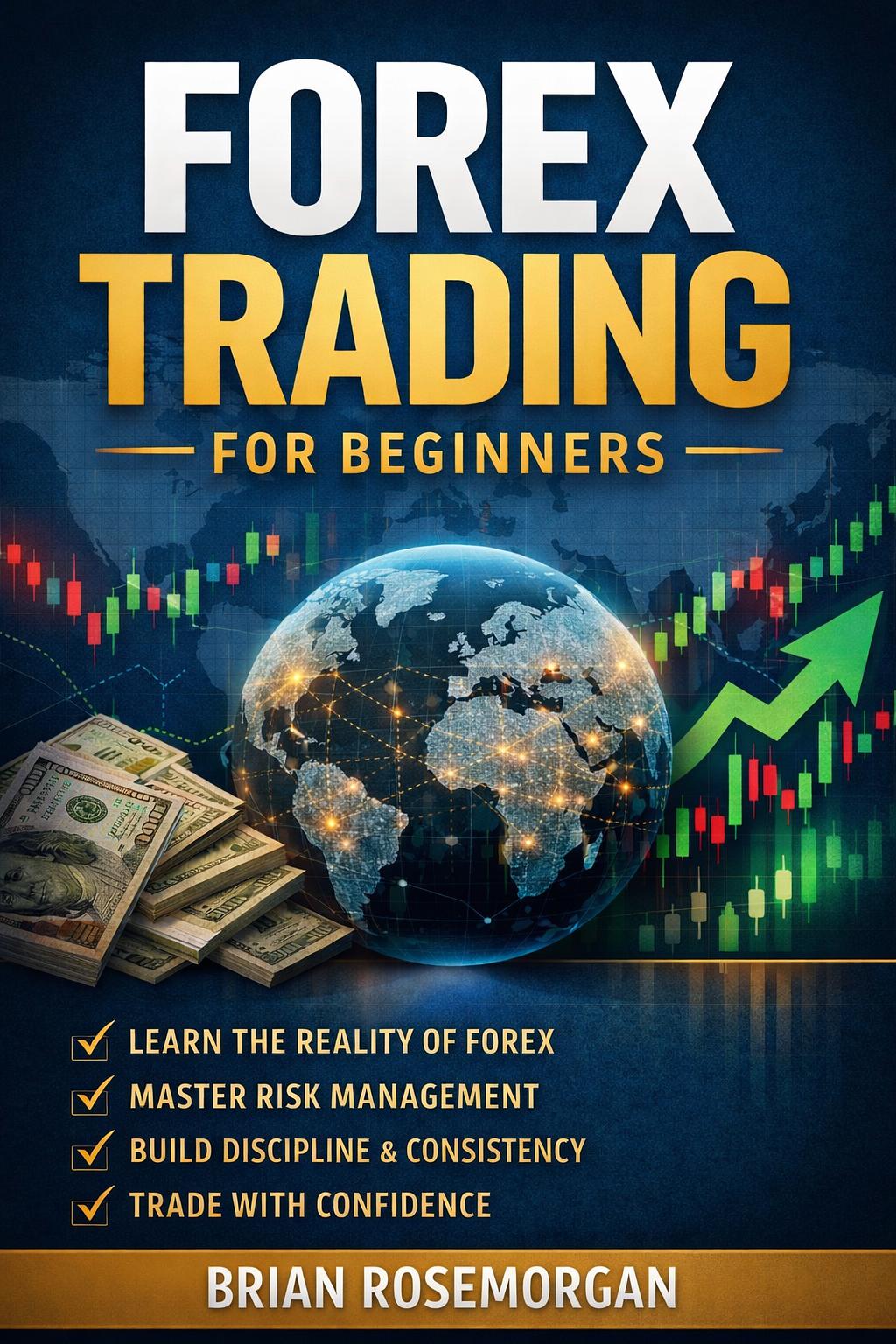
If you’ve enjoyed this free Academy, my book brings everything together in one structured beginner-friendly guide. It’s the perfect companion to the lessons you’ll complete here on TryBuying.