
Updated August 20, 2026

Brian Rosemorgan
Retired Professional Trader | 8+ Years Experience | South Africa
Questions?
Forex Risk Management Essentials: Protecting Your Trading Capital from Market Volatility
Risk management is one of the most important skills a forex trader can develop. In the fast-moving foreign exchange market, leverage and unpredictable price movements can cause losses to grow quickly when risk is not controlled. Protecting your trading capital should therefore come before chasing short-term profits.
Effective risk management involves setting clear rules for position sizing, stop-loss placement and overall account exposure. By risking only a small, calculated percentage of your account balance on any single trade, such as the commonly used 1% rule, you can reduce the impact of losing streaks and preserve capital for future opportunities.
Throughout this guide, you will learn how to calculate position size, understand risk-to-reward ratios, use stop-losses correctly, control emotional trading decisions and build a practical capital-preservation framework for independent retail traders, including traders in South Africa.
Forex Risk Management at a Glance
Per-trade risk: Decide how much of your account you are prepared to lose before entering a trade.
Position size: Adjust your lot size according to your account balance, risk amount and stop-loss distance.
Stop-loss: Define the price level where you will exit if the trade moves against you.
Risk-to-reward: Compare your potential loss with your planned potential profit before entering.
Capital preservation: The objective is to survive losing periods without exposing your account to unnecessary damage.
1. The Golden Rule of Capital Preservation
Capital preservation is the foundation of disciplined trading. Without sufficient capital, you cannot participate in future market opportunities. A sensible risk plan focuses on limiting downside exposure rather than trying to maximize every short-term gain, helping your account remain capable of handling inevitable losing trades.
2. Implementing the One Percent Risk Rule
The one percent rule is a widely used risk-management guideline suggesting that a trader limits the amount they are prepared to lose on one trade to around 1% of account equity. For example, a R10,000 account with a 1% risk limit would have a maximum planned loss of R100 before trading costs and possible slippage.
3. Calculating Position Size and Lot Units
Accurate position sizing aligns your trade size with your account balance and stop-loss distance. Using standard, mini or micro lots without calculating the actual monetary risk can result in excessive exposure. Before submitting an order, calculate the position size using your risk amount, stop-loss distance and the pip value of the currency pair.
4. Understanding Risk-to-Reward Ratios
A risk-to-reward ratio compares the amount you are prepared to risk with your planned potential reward. For example, a 1:2 ratio means you are risking one unit to target two units. A favourable ratio can give a strategy more flexibility, but it does not guarantee profitability because actual results depend on the strategy’s win rate, execution and trading costs.
5. The Importance of Stop-Loss Orders
A stop-loss order is a risk-management tool designed to close a position when the market reaches a predetermined price level. It can help limit the potential loss on a trade and reduce emotional decision-making. However, during extreme volatility or gaps, the final execution price can differ from the selected stop level.
📊 Simple Risk Example
Suppose you have a R10,000 trading account and decide to follow a 1% risk guideline.
1% of R10,000 = R100
If your planned stop-loss represents a R100 maximum planned loss, your position size should be calculated so that the trade is appropriately sized for that risk level. The exact lot size depends on the currency pair, pip value, account currency and stop-loss distance.
This is an educational example only. Actual trading costs, spreads and slippage can affect the final result.
💡 Brian’s Expert Advice
During my 8+ years of live trading, I learned that discipline is just as important as the strategy itself. I’ve seen good technical setups fail because traders ignored their stop-loss levels or risked too much on a single trade. Treat your trading account like a serious business. Avoid moving a stop-loss further away simply to keep a losing trade open, avoid revenge trading after a loss, and consider setting a maximum daily loss limit before you begin trading.
| Key Feature | What You Need to Know | Actionable Takeaway |
|---|---|---|
| Per-Trade Risk Limit | Limiting financial exposure per trade can reduce the impact of individual losing trades on your account. | Choose a maximum risk percentage before entering a trade and calculate your position size accordingly. |
| Stop-Loss Discipline | A predetermined exit level can help control potential losses and reduce emotional decision-making. | Set your stop-loss before or immediately when entering the trade and understand the possibility of slippage. |
| Risk-to-Reward Ratio | The ratio compares your planned potential reward with the amount you are prepared to risk. | Consider the ratio, win rate, costs and overall strategy before entering a position. |
Frequently Asked Questions
1. What is forex risk management?
Forex risk management is the systematic process of controlling financial exposure while trading currencies. It can include position sizing, stop-loss placement, account exposure limits and rules designed to protect trading capital against unexpected market movements.
2. What is the 1 percent risk rule in forex?
The 1% rule is a commonly used capital-preservation guideline suggesting that a trader limits the amount they are prepared to lose on a single trade to around 1% of account equity. It is a guideline rather than a guarantee, and traders should choose risk levels appropriate to their circumstances.
3. Why are stop-loss orders important for risk control?
Stop-loss orders are designed to close a position when the market reaches a predetermined level. They can help limit potential losses and reduce emotional interference. However, extreme volatility, gaps and slippage can mean that the final execution price differs from the selected stop level.
4. How do you calculate position size in forex?
Position size is calculated by determining the amount of money you are prepared to risk, measuring the distance to your stop-loss in pips, and factoring in the pip value of the currency pair. This helps align the trade size with your chosen risk level.
5. What is a good risk-to-reward ratio?
There is no single risk-to-reward ratio that guarantees profitable trading. Ratios such as 1:2 or 1:3 are commonly discussed because the potential reward is larger than the planned risk. However, the appropriate ratio depends on the strategy, win rate, market conditions and trading costs.
6. How does leverage impact forex risk?
Leverage allows traders to control a larger position relative to the capital deposited in their account. This can magnify both potential gains and losses. High leverage combined with excessive position sizing can cause losses to accumulate rapidly, making proper risk management particularly important.
7. How can beginners avoid emotional trading mistakes?
Beginners can reduce emotional trading by creating a written trading plan, defining entry and exit rules before placing trades, calculating position size in advance, taking breaks after significant losses and considering a daily loss limit.
8. What is maximum drawdown in forex trading?
Maximum drawdown measures the largest decline from a peak in an account’s value to a subsequent low over a particular period. Monitoring drawdown can help traders understand how much capital their strategy has historically put at risk and whether their risk level remains manageable.
9. How do South African traders manage currency risk?
South African traders can manage currency risk by researching properly regulated brokers, using appropriate position sizes, understanding the risks of volatile pairs such as USD/ZAR, using stop-losses where appropriate and never committing money to live trading that they cannot afford to lose.
🛠 Brokers to Consider for Demo Trading
If you are learning forex risk management, I recommend starting with a demo account rather than rushing into live trading. When comparing brokers, look beyond advertised spreads and consider regulation, commissions, execution, platform availability, withdrawal conditions and customer support.
The brokers below are included because they offer demo-trading options. This section contains affiliate links, so I may receive a commission if you open an account through one of the links. This does not mean that either broker is suitable for every trader. Always research the broker yourself and verify its current regulatory status and trading conditions before opening an account.
Important for South African traders: Broker availability, regulatory status, fees, leverage, spreads, commissions and other trading conditions can differ depending on your country of residence and account type. Always confirm the current terms that apply to you directly with the broker before opening an account or depositing funds.
XM
✔ Demo account available
✔ MT4 & MT5
✔ Multiple account options
✔ Educational resources
An option to investigate if you want to practise trading on demo while comparing its costs, platforms and account conditions with other brokers.
AvaTrade
✔ Demo account available
✔ MT4 & MT5
✔ AvaTradeGO platform
✔ Educational resources
Another option to investigate if you want to compare platforms, trading conditions and educational resources while practising on demo.
Important: Spreads, commissions, leverage and other trading conditions can change. Always check the broker’s current terms, costs, regulation and withdrawal requirements before opening an account.
📘 Forex Trading for Beginners
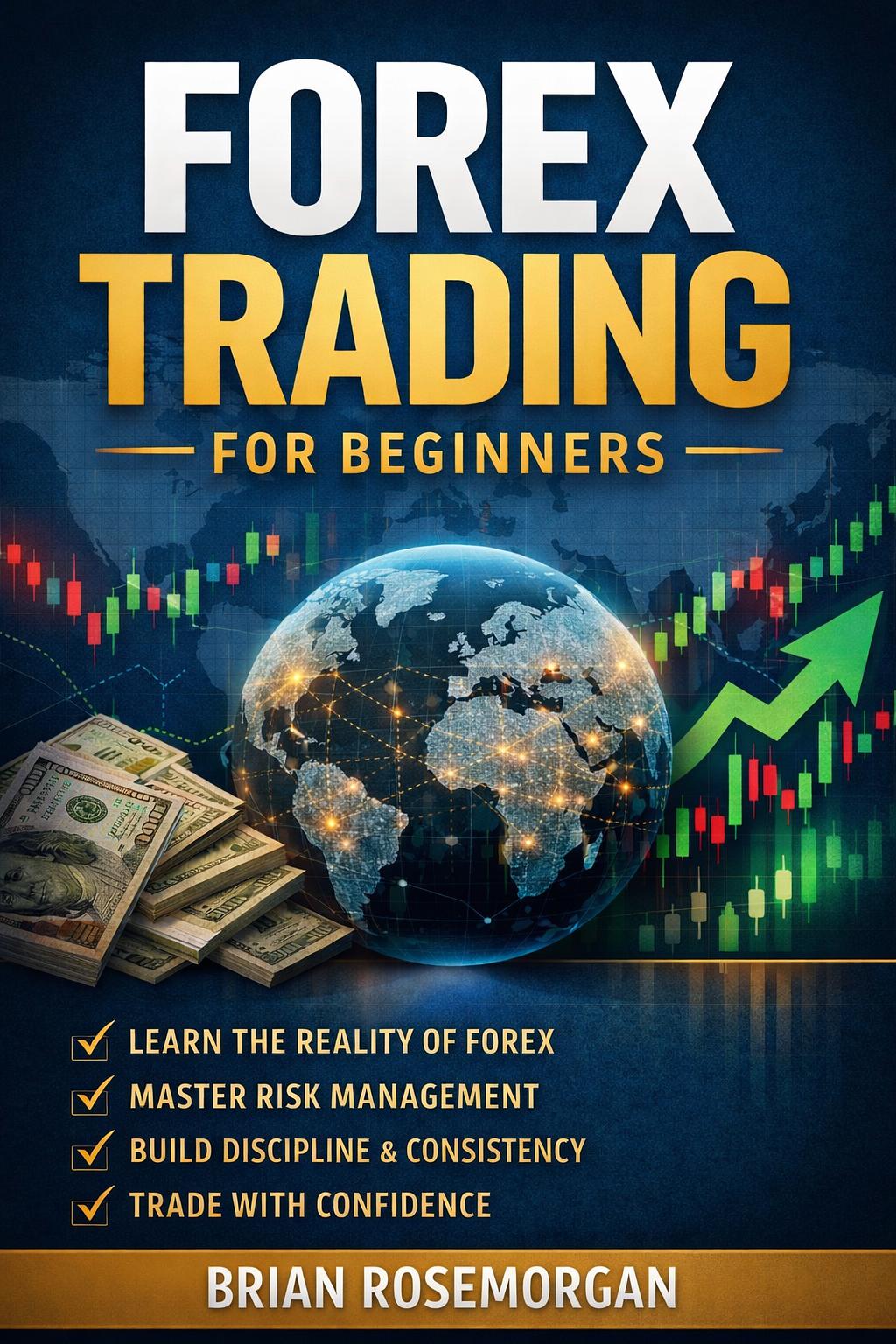
If you’ve enjoyed this free Academy, my book brings everything together in one structured beginner-friendly guide. It’s a useful companion to the lessons you’ll complete here on TryBuying.
Congratulations!
You have completed Module 2 – Lesson 5 – Forex Market Mechanics
Click below to save your progress and return to the Academy.
Your progress will be saved automatically. Return to the Academy whenever you’re ready.
Disclaimer: Forex trading and CFDs involve significant risk and may not be suitable for every investor. The information provided on this website is for educational purposes only and should not be considered financial, investment, or trading advice. Always verify that your broker is properly regulated before depositing funds, and practise on a demo account before trading with real money. Never risk money you cannot afford to lose. Past performance does not guarantee future results. Please read our full Risk Disclosure.