
updated august 2026

Brian Rosemorgan
Retired Professional Trader | 8+ Years Experience | South Africa
Questions?
What Moves Forex Prices?
Forex prices are constantly moving, but what actually causes a currency pair to rise or fall? The answer is not one single factor. Currency prices respond to changing expectations, economic conditions, interest rates, political developments and the buying and selling decisions of millions of market participants around the world.
When traders and institutions believe that one currency is becoming more attractive compared with another, demand can increase and the exchange rate may move. The opposite can happen when expectations change and selling pressure increases. This is why important economic and financial information can sometimes cause rapid price movements.
In this lesson, you will learn the main factors that can move forex prices and, more importantly, understand why they matter. The goal is not to predict every market move, but to give you a clear foundation for understanding what is happening behind the price on your trading screen.
1. Interest Rates Can Move Forex Prices
Interest rates are one of the most important influences on currency markets. When a country’s interest-rate outlook changes, investors may reassess the attractiveness of holding that currency. Expectations about future central-bank decisions can therefore affect demand for a currency well before an actual rate change takes place.
2. Economic Data Can Change Market Expectations
Economic reports such as inflation, employment and economic-growth figures can influence how traders view a country’s economy. Stronger or weaker-than-expected data may change expectations about interest rates and economic conditions. This can lead to increased buying or selling activity and cause currency prices to react.
3. Central Banks Influence Currency Markets
Central banks play an important role because their decisions and statements can affect interest-rate expectations and confidence in an economy. Traders pay attention to announcements from institutions such as the Federal Reserve, European Central Bank and Bank of England because policy changes can influence currency demand.
4. Political Events and Market Sentiment Matter
Political uncertainty, elections, government decisions and international events can affect how investors view a country’s economic outlook. At the same time, overall market sentiment can cause traders to move toward currencies they consider safer or away from currencies they consider more risky, changing demand and price.
5. Supply and Demand Drive the Actual Price Movement
All of these influences ultimately affect buying and selling decisions. When demand for a currency becomes stronger relative to supply, its price can rise against another currency. When selling pressure becomes stronger, the price can fall. The market continually adjusts as new information becomes available.
💡 Brian’s Expert Advice
One lesson I learned during my years of live trading is that you do not need to understand every piece of economic news to become a better trader. What matters is understanding that prices move because market participants continually reassess information and expectations. I would rather see a beginner understand this principle and manage risk properly than try to predict every news announcement.
| Key Feature | What You Need to Know | Actionable Takeaway |
|---|---|---|
| Interest Rates | Interest-rate expectations can influence demand for a currency. | Pay attention to changing rate expectations. |
| Economic Data | Economic reports can change expectations about an economy and its currency. | Understand why important economic releases can cause volatility. |
| Market Sentiment | Changing confidence and risk appetite can influence currency demand. | Do not assume price will continue in one direction. |
Frequently Asked Questions
1. What moves forex prices?
Forex prices are moved by changing supply and demand, which can be influenced by interest rates, economic data, central-bank decisions, political developments and market sentiment. Traders and institutions continually react to new information and changing expectations, causing buying and selling pressure to change and currency prices to move.
2. What causes a currency to rise in value?
A currency can rise against another currency when demand for it becomes stronger. This may happen because traders expect higher interest rates, stronger economic conditions, improved investor confidence or other developments that make the currency more attractive. Remember that forex is always relative because currencies are traded in pairs.
3. What causes a currency to fall?
A currency can fall against another currency when selling pressure becomes stronger than buying demand. This may result from weaker economic expectations, changing interest-rate expectations, political uncertainty or negative market sentiment. A falling currency pair does not automatically mean the currency is weak against every other currency.
4. How do interest rates affect forex prices?
Interest rates can influence how attractive a currency is to investors. If traders expect interest rates to rise, demand for that currency may increase. If expectations change toward lower rates, demand may weaken. Forex markets often react to expectations about future policy rather than simply waiting for an official rate decision.
5. How does economic news affect forex?
Economic news can change expectations about a country’s economy and future monetary policy. If a report is significantly different from what traders expected, the market may react quickly. This is why major economic announcements can sometimes produce sudden price movements and increased volatility in currency pairs.
6. Do central banks control forex prices?
Central banks can strongly influence currency markets through interest-rate decisions, monetary policy and official statements, but they do not control every forex price. Currency prices are determined through global market activity involving many participants. Central-bank actions are important because they can change expectations and influence buying and selling pressure.
7. Can political events move forex prices?
Yes. Elections, government decisions, international conflicts, policy changes and political uncertainty can influence how traders assess an economy and its currency. The reaction is not always predictable because markets respond to expectations as well as the event itself. A result that was already expected may produce little price movement.
8. Why does forex sometimes move suddenly?
Forex can move suddenly when new information causes many market participants to change their expectations at the same time. Major economic releases, central-bank announcements or unexpected political events can increase buying or selling pressure quickly. This is one reason beginners should avoid risking too much capital on a single trade.
9. Should beginners trade during major economic news?
Beginners should be cautious around major economic announcements because price movements can become rapid and unpredictable. If you are still learning, practise on a demo account and observe how the market reacts before considering live trading. Understanding market behaviour is more important than trying to make money from every news event.
🛠 Brokers to Consider for Demo Trading
If you are learning forex risk management, I recommend starting with a demo account rather than rushing into live trading. When comparing brokers, look beyond advertised spreads and consider regulation, commissions, execution, platform availability, withdrawal conditions and customer support.
The brokers below are included because they offer demo-trading options. This section contains affiliate links, so I may receive a commission if you open an account through one of the links. This does not mean that either broker is suitable for every trader. Always research the broker yourself and verify its current regulatory status and trading conditions before opening an account.
XM
✔ Demo account available
✔ MT4 & MT5
✔ Multiple account options
✔ Educational resources
An option to investigate if you want to practise trading on demo while comparing its costs, platforms and account conditions with other brokers.
AvaTrade
✔ Demo account available
✔ MT4 & MT5
✔ AvaTradeGO platform
✔ Educational resources
Another option to investigate if you want to compare platforms, trading conditions and educational resources while practising on demo.
Important: Spreads, commissions, leverage and other trading conditions can change. Always check the broker’s current terms, costs, regulation and withdrawal requirements before opening an account.
📘 Forex Trading for Beginners
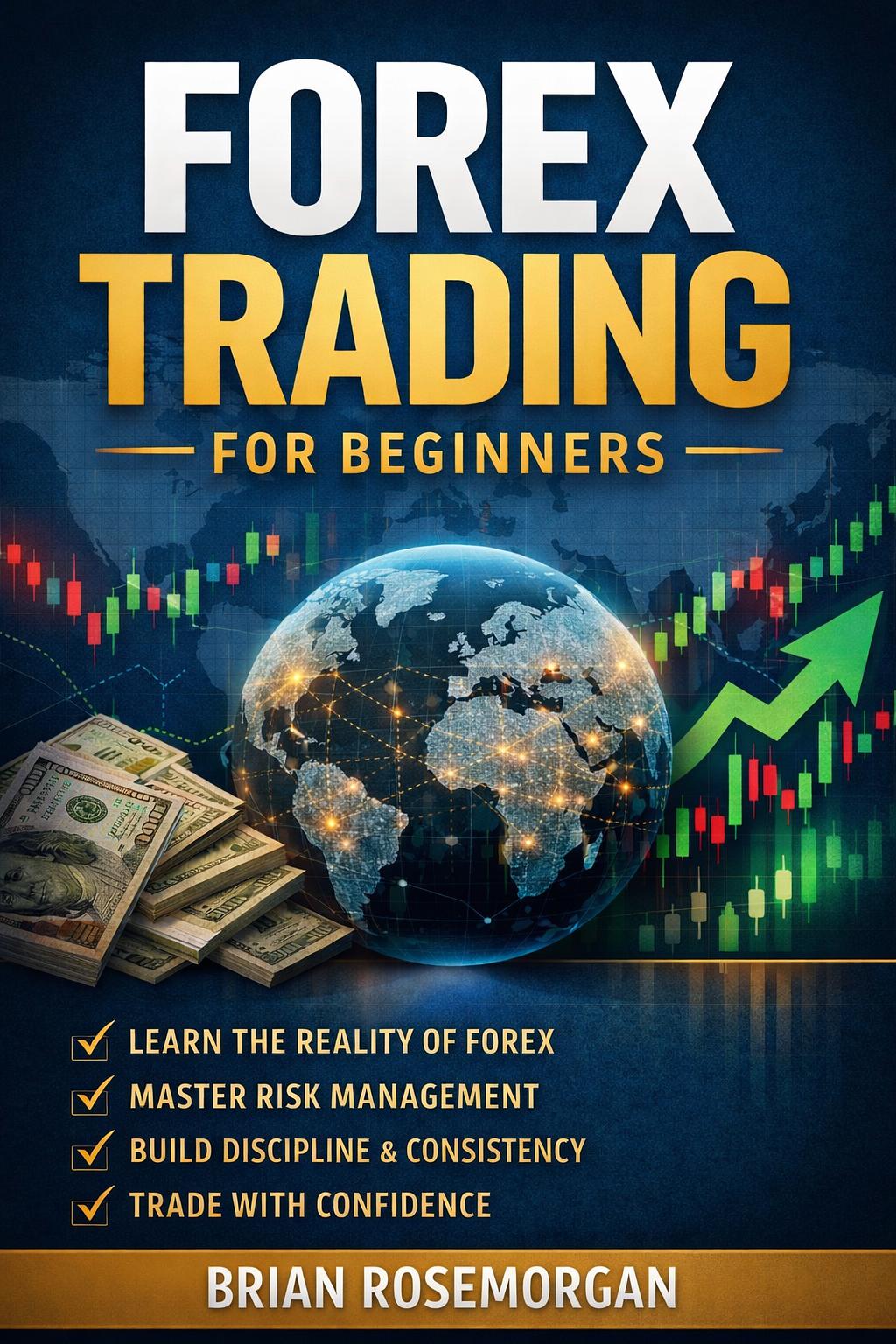
If you’ve enjoyed this free Academy, my book brings everything together in one structured beginner-friendly guide. It’s the perfect companion to the lessons you’ll complete here on TryBuying.
return to your lesson
Disclaimer: Forex trading and CFDs involve significant risk and may not be suitable for every investor. The information provided on this website is for educational purposes only and should not be considered financial, investment, or trading advice. Always verify that your broker is properly regulated before depositing funds, and practice on a demo account before trading with real money. Never risk money you cannot afford to lose. Past performance does not guarantee future results. Please read our full Risk Disclosure
relevent schama
“`