
updated august 2026

Brian Rosemorgan
Retired Professional Trader | 8+ Years Experience | South Africa
Questions?
How to Avoid Overtrading in Forex
Overtrading happens when a trader takes more trades than their strategy or trading plan requires. It can be caused by boredom, impatience, fear of missing out or trying to recover losses quickly.
For beginners, overtrading can be one of the easiest mistakes to make. The forex market is available across multiple global trading sessions, which can create the temptation to constantly look for another trade.
However, being able to trade does not mean that you should always be trading. Sometimes the best decision is to stay out of the market and wait for a suitable setup.
In this guide, I explain what overtrading is, why traders do it, the warning signs to watch for and some simple ways to reduce unnecessary trading activity.
The Simple Definition
Overtrading means taking too many trades or taking trades that do not meet the rules of your trading strategy.
More trades do not automatically mean more profits. In many cases, unnecessary trades simply create more opportunities to lose money, pay trading costs and make emotional decisions.
Why Do Forex Traders Overtrade?
Overtrading is not always caused by a lack of knowledge. Sometimes experienced traders can overtrade when emotions take control of their decision-making.
A trader might feel that they need to make money today, become frustrated after a losing trade or simply become bored while waiting for a proper setup.
Understanding why you overtrade is therefore just as important as understanding how to stop doing it.
Signs That You May Be Overtrading
| Warning Sign | What It Can Mean |
|---|---|
| Trading because you are bored | You may be entering trades without a genuine setup. |
| Trading immediately after a loss | You may be trying to recover money emotionally. |
| Taking weaker setups | You may be lowering your normal trading standards. |
| Increasing trade size | You may be trying to make back losses too quickly. |
| Trading simply because the market is moving | Movement alone does not mean there is a valid trading opportunity. |
How Overtrading Increases Forex Risk
Every trade carries some level of risk. Taking unnecessary trades therefore increases the number of opportunities for something to go wrong.
For example, suppose your trading plan allows a maximum of three carefully selected trades during a session. If you start taking ten or fifteen trades simply because the market is moving, you are no longer following the original plan.
Even if the risk on each individual trade is small, repeated unnecessary trades can increase your overall exposure.
This is why controlling the number and quality of your trades is an important part of
forex risk management.
What Is Revenge Trading?
Revenge trading is closely related to overtrading. It happens when a trader attempts to recover a previous loss by entering additional trades, often without following their normal trading rules.
The problem is that the desire to recover money can lead to larger positions, weaker setups and more frequent trades.
⚠️ A Dangerous Cycle
Loss → frustration → another trade → another loss → larger trade → deeper loss.
The best way to break this cycle is often to stop trading, step away from the market and review what happened before taking another position.
How to Avoid Overtrading in Forex
1. Have a Written Trading Plan
Your trading plan should define what constitutes a valid setup and when you will trade. This gives you something objective to follow rather than allowing your emotions to make every decision.
2. Set a Maximum Number of Trades
Consider setting a daily or session-based limit that suits your strategy. Once you reach that limit, stop trading and review your results instead of looking for another opportunity.
3. Accept That Some Days Offer Few Opportunities
The market does not owe you a trade every day. Some sessions may provide several good setups while others may provide none. Learning to wait is an important part of becoming a disciplined trader.
4. Take a Break After a Significant Loss
A loss can affect your judgement, particularly if you were expecting the trade to win. Taking a break gives you time to reset before making another decision.
5. Keep a Trading Journal
Recording your trades can help identify patterns in your behaviour. You may discover that you trade more frequently after losses, during certain sessions or when you become frustrated.
6. Focus on Quality Rather Than Quantity
Your objective should not be to find as many trades as possible. Instead, look for opportunities that meet the rules of your tested strategy.
Brian’s Trading Experience
One of the biggest changes I made during my years of trading was learning that I did not have to be in the market all the time.
Earlier in my trading journey, it was easy to believe that more trades meant more opportunities to make money. In reality, unnecessary trades can create unnecessary risk.
I eventually became much more selective. I would rather wait for a setup that fitted my trading rules than enter a trade simply because I wanted something to happen.
Sometimes the best trade is no trade at all.
💡 Brian’s Pro Tip
If you find yourself asking, “Should I take this trade?” stop and check your trading plan. If the setup does not meet your rules, you already have your answer. You do not need to trade simply because the market is open.
How to Avoid Overtrading: Key Points
- More trades do not automatically mean more profits.
- Only trade setups that meet your strategy rules.
- Set a sensible maximum number of trades.
- Avoid trading simply because you are bored.
- Do not increase your risk to recover losses.
- Take a break after emotionally difficult trades.
- Use a trading journal to identify repeated mistakes.
- Remember that sometimes the best decision is not to trade.
Continue Learning Forex Risk Management
Overtrading is closely connected to risk management because every additional trade creates another opportunity for your account to lose money.
My free Forex Academy explains risk management step by step and shows beginners why protecting trading capital should come before chasing profits.
The Academy is completely free, and I also provide free mentorship and advice to help beginners understand what they are learning.
Frequently Asked Questions
What is overtrading in forex?
Overtrading is taking more trades than your strategy or trading plan requires, or entering trades that do not meet your normal criteria. It can be caused by boredom, impatience, fear of missing out or the desire to recover losses.
Why is overtrading bad for forex traders?
Overtrading can increase your exposure to losses and trading costs while making it more difficult to follow a consistent strategy. It can also encourage emotional decisions that would not normally be part of your trading plan.
How many forex trades should I take per day?
There is no universal number of trades that is correct for every trader. The appropriate number depends on your strategy, timeframe and trading plan. The important point is to trade only when your conditions are met rather than trying to reach a particular number of trades.
Is trading every day necessary to make money in forex?
No. You do not need to trade every day. Some days may not provide suitable opportunities, and staying out of the market can be a sensible decision when your trading conditions are not present.
How do I stop revenge trading?
Consider stopping for the session after a significant loss, reviewing the trade later and following a predefined risk limit. The goal is to avoid allowing one losing trade to influence the size or quality of your next trade.
Can overtrading cause a forex account to lose money?
Yes. Overtrading can expose an account to additional losing trades and trading costs. If the trader also increases position sizes or uses excessive leverage, the potential damage can become significantly greater.
Forex Trading for Beginners
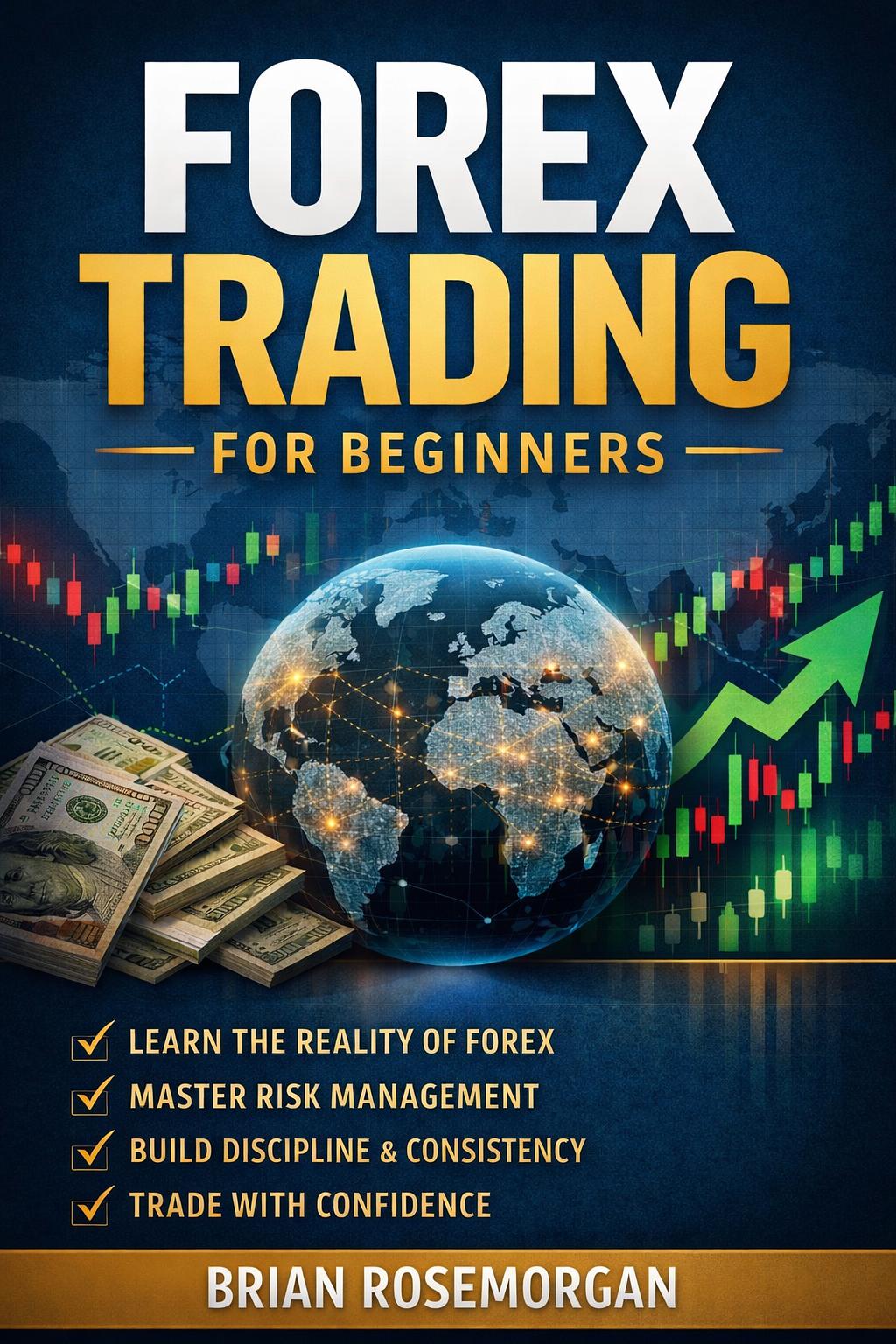
If you’ve enjoyed this free Academy, my book brings everything together in one structured beginner-friendly guide. It’s the perfect companion to the lessons you’ll complete here on TryBuying.
Section Complete
Disclaimer: Forex trading and CFDs involve significant risk and may not be suitable for every investor. The information provided on this website is for educational purposes only and should not be considered financial, investment, or trading advice. Always verify that your broker is properly regulated before depositing funds, and practice on a demo account before trading with real money. Never risk money you cannot afford to lose. Past performance does not guarantee future results. Please read our full Risk Disclosure.