
“EXPERIENCED TRADER

Brian Rosemorgan
Retired Professional Trader | 8+ Years Experience | South Africa
Questions?
How Stop Orders and Stop Limits Work in Forex
Mastering advanced pending orders is essential for trading breakouts and managing volatility effectively in the foreign exchange market. Unlike limit orders that seek better entry prices on pullbacks, stop orders are designed to trigger market entries only when price moves past a specific threshold in a chosen direction.
A standard stop order converts into a market order once the trigger price is touched, prioritizing execution certainty over exact pricing. Meanwhile, a stop-limit order adds an extra layer of control by specifying a strict boundary price, ensuring your trade will never fill beyond your predetermined limit threshold.
Throughout this guide, you will learn the precise mechanics behind stop-loss and stop-entry triggers, explore how stop-limit variations prevent unexpected slippage during high-impact news releases, and discover smart execution strategies to protect your open capital.
1. What Is a Forex Stop Order?
A stop order is a pending instruction to buy above the current market price or sell below it. It remains inactive until the market hits your specified trigger price, at which point it instantly converts into a standard market order to catch strong momentum moves.
2. What Is a Stop-Limit Order?
A stop-limit order combines a stop trigger with a price limit constraint. When the market reaches your stop price, the order transforms into a limit order rather than a market order, ensuring you get your exact price or better, but risking non-execution if price spikes past your limit.
3. Trigger Mechanics and Price Execution
The core difference lies in what happens after activation. Standard stop orders guarantee execution by accepting whatever market liquidity is available at that second, whereas stop-limit orders prioritize price protection, refusing to fill if the market moves too fast past your boundary.
4. Trading Breakouts with Stop Orders
Professional traders frequently rely on stop orders to trade technical breakouts above resistance levels or below support zones. This strategy ensures you only enter a trade when market momentum officially confirms the continuation of a directional price trend.
5. Managing Volatility During News Releases
High-impact economic data releases can cause erratic price gaps that lead to severe slippage on standard stop orders. Utilizing stop-limit orders during volatile events shields your account from unexpected execution prices, provided you understand the risk of leaving orders unfilled.
Brian’s Expert Advice
During my active trading years, I learned the hard way that using standard stop orders during major central bank announcements can result in painful slippage as liquidity dries up. If price precision is more important to your strategy than getting filled, learning to leverage stop-limit orders can save you from disastrous fill prices.
| Key Feature | What You Need to Know | Actionable Takeaway |
|---|---|---|
| Standard Stop Order | Triggers a market order once the specified price level is reached. | Use for reliable breakout entries where execution speed matters most. |
| Stop-Limit Order | Triggers a limit order with a boundary condition to prevent bad fills. | Deploy when price precision outweighs the risk of missing the trade. |
| Slippage Risk | Stop orders risk slippage; stop-limit orders risk non-execution. | Weigh execution certainty against price control for every setup. |
Frequently Asked Questions
1. What is a forex stop order?
A forex stop order is a pending order that instructs your broker to buy or sell a currency pair once the market reaches a specific trigger price. Once touched, it automatically converts into a market order and executes at the next available price.
2. What is a stop-limit order in forex?
A stop-limit order is a dual-component pending order that specifies both a stop trigger price and a limit boundary price. When the stop price is reached, it becomes a limit order, ensuring execution only at the limit price or better.
3. What is the difference between a stop order and a stop-limit order?
A standard stop order guarantees execution by turning into a market order upon activation, which can lead to slippage. A stop-limit order guarantees price control by turning into a limit order, which can result in the order failing to fill completely.
4. When should I use a standard stop order?
You should use a standard stop order when trading breakout strategies where getting your position filled is more critical than a few pips of price variance, such as when momentum breaks through major chart resistance levels.
5. When should I use a stop-limit order?
You should use a stop-limit order during highly volatile market conditions or news releases when you want to prevent severe negative slippage and are willing to risk missing the entry if price gaps past your boundary limit.
6. Can a stop-limit order fail to execute?
A stop-limit order can fail to execute if the market price gaps straight through your stop trigger and surpasses your limit price before the broker can match the trade. The order will remain unfilled or partially filled.
7. How do stop orders relate to stop-loss orders?
A stop-loss order is a specific type of protective stop order designed to close an existing losing position automatically when price reaches a certain level, safeguarding your trading account from deeper drawdowns.
8. Are stop orders available on all trading platforms?
Most major retail trading platforms, including MetaTrader 4, MetaTrader 5, and cTrader, fully support both standard stop orders and stop-limit orders across all currency pairs and CFDs.
9. Which order type is best for managing risk?
Stop orders are essential for risk management when used as protective stop losses. However, mastering both standard stops and stop-limits allows you to fine-tune your entry precision and defense mechanisms across different market environments.
Disclosure: This post contains affiliate links. If you click and make a purchase, I may earn a small commission at no extra cost to you. I only recommend platforms I trust for my own trading.
updated august 2026
Brokers to Consider for Demo Trading
If you are learning forex risk management, I recommend starting with a demo account rather than rushing into live trading. When comparing brokers, look beyond advertised spreads and consider regulation, commissions, execution, platform availability, withdrawal conditions and customer support.
The brokers below are included because they offer demo-trading options. This section contains affiliate links, so I may receive a commission if you open an account through one of the links. This does not mean that either broker is suitable for every trader. Always research the broker yourself and verify its current regulatory status and trading conditions before opening an account.
XM
Demo account available
MT4 & MT5
Multiple account options
Educational resources
An option to investigate if you want to practise trading on demo while comparing its costs, platforms and account conditions with other brokers.
AvaTrade
Demo account available
MT4 & MT5
AvaTradeGO platform
Educational resources
Another option to investigate if you want to compare platforms, trading conditions and educational resources while practising on demo.
Important: Spreads, commissions, leverage and other trading conditions can change. Always check the broker’s current terms, costs, regulation and withdrawal requirements before opening an account.
Forex Trading for Beginners
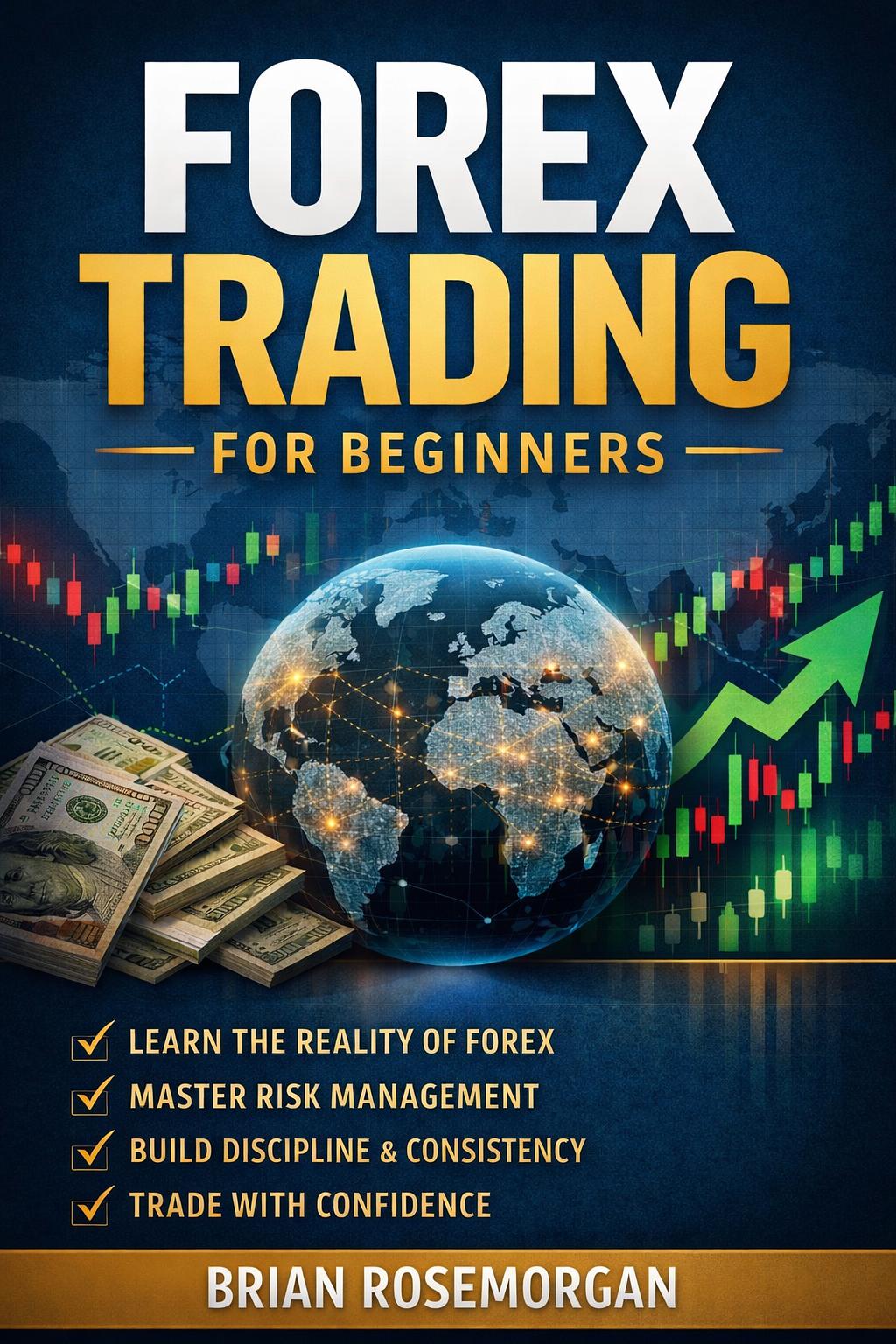
If you’ve enjoyed this free Academy, my book brings everything together in one structured beginner-friendly guide. It’s the perfect companion to the lessons you’ll complete here on TryBuying.
return to your lesson
Disclaimer: Forex trading and CFDs involve significant risk and may not be suitable for every investor. The information provided on this website is for educational purposes only and should not be considered financial, investment, or trading advice. Always verify that your broker is properly regulated before depositing funds, and practice on a demo account before trading with real money. Never risk money you cannot afford to lose. Past performance does not guarantee future results. Please read our full Risk Disclosure
relevent schama