
updated august 2026

Brian Rosemorgan
Retired Professional Trader | 8+ Years Experience | South Africa
Questions?
How Much Should You Risk Per Trade in Forex?
One of the most important questions for a new forex trader is how much money should be risked on each trade. The answer is not simply about how much money you have in your trading account. Your risk should be controlled so that one losing trade, or even a series of losing trades, does not seriously damage your account.
A commonly used approach is to risk around 1% of your trading account on a single trade. This means that if you have a R10,000 account, your planned maximum loss would be R100 if your stop-loss is reached. The position size must then be adjusted to match the distance of your stop-loss. The aim is to control the amount you can lose rather than trying to predict every winning trade.
In this lesson, you will learn how the 1% risk rule works, how to calculate the amount you can risk, why your stop-loss affects position size, and why risking too much can quickly damage a small forex account. You will also see practical examples that can help you apply disciplined risk management before trading live.
1. What Does Risk Per Trade Mean?
Risk per trade is the amount of money you are prepared to lose if a trade reaches your stop-loss. It is normally calculated as a percentage of your account balance. For example, risking 1% on a R10,000 account means your planned maximum risk is R100 on that trade. This helps keep losses controlled.
2. Why Many Traders Use the 1% Risk Rule
The 1% rule is popular because it helps protect trading capital during losing periods. If you risk only a small percentage on each trade, several losses do not immediately destroy your account. The rule does not make a strategy profitable, but it can help prevent a normal losing streak from becoming a financial disaster.
3. Your Stop-Loss Determines Position Size
Your risk percentage and your position size work together. A wider stop-loss generally requires a smaller position if you want to keep the same monetary risk. A tighter stop-loss may allow a larger position, although the stop must still be placed where the trade idea is technically invalidated rather than simply choosing a convenient distance.
4. Example of 1% Risk on a Forex Account
Imagine you have a R20,000 trading account and decide to risk 1% per trade. One percent of R20,000 is R200. If the trade reaches your planned stop-loss, your intended loss should therefore be approximately R200, before considering costs such as spread, commission or possible slippage. Your position size must be calculated accordingly.
5. Why Risking Too Much Can Hurt a Small Account
Large risks can cause an account to fall quickly during a losing streak. If a trader risks 10% per trade, just five consecutive losses would leave the account with about 59% of its starting balance, before trading costs. Recovering from a large drawdown becomes increasingly difficult, which is why protecting capital should come first.
💡 Brian’s Expert Advice
When I was learning to trade, I made many of the mistakes that new traders make, including taking too much risk. Looking back, protecting my trading capital was far more important than trying to make large profits quickly.
My advice to beginners is simple: do not decide how much you can afford to lose after opening the trade. Decide your risk before entering. Know your account size, calculate the amount you are prepared to risk, place a sensible stop-loss, and then choose a position size that fits that risk.
For a beginner, I believe learning to consistently control risk is more valuable than trying to find a way to make money from every trade. A losing trade is part of forex trading. A loss that is properly controlled is much easier to recover from than a loss that seriously damages your account.
| Key Feature | What You Need to Know | Actionable Takeaway |
|---|---|---|
| 1% Risk Rule | Risking 1% means the planned loss is limited to approximately 1% of your account if the stop-loss is reached. | Calculate your maximum monetary risk before entering the trade. |
| Stop-Loss | The stop-loss helps define where the trade will be closed if the market moves against your setup. | Choose the stop based on the trade setup, then calculate position size around it. |
| Position Size | Position size determines how much money is exposed to the market and must be matched to your chosen risk. | Reduce position size when necessary rather than increasing your risk to trade a larger position. |
Frequently Asked Questions
1. How much should I risk per trade in forex?
Many traders use around 1% of their account balance as a risk guideline for an individual trade. However, there is no universal percentage that is suitable for everyone. Your financial circumstances, experience, strategy and tolerance for losses all matter. Beginners should focus on keeping risk small and protecting their trading capital.
2. What is the 1% risk rule in forex?
The 1% risk rule means limiting the planned loss on a trade to approximately 1% of your trading account if the stop-loss is reached. For example, a R10,000 account would have a 1% risk amount of R100. The position size should then be calculated so the trade fits that risk.
3. How much should I risk on a R10,000 forex account?
If you choose a 1% risk approach, 1% of R10,000 is R100. This does not mean placing R100 into the trade. It means that your planned loss should be approximately R100 if your stop-loss is reached, before trading costs and possible slippage. Your position size determines how that risk is applied.
4. Is risking 2% per trade in forex too much?
A 2% risk level is higher than 1% and can produce larger drawdowns during losing periods. Some experienced traders may choose different risk levels depending on their strategy and circumstances. Beginners should understand that increasing the percentage does not increase their trading edge; it simply increases the amount that can be lost.
5. How do I calculate forex risk per trade?
Start with your account balance and multiply it by your chosen risk percentage. For example, R20,000 multiplied by 1% gives a risk amount of R200. You then need to consider the currency pair, stop-loss distance, pip value and position size to determine how large the trade can be while staying within your risk limit.
6. Does my stop-loss affect how much I should risk?
Yes. Your stop-loss distance is an important part of position-size calculation. A wider stop generally requires a smaller position to keep the same monetary risk, while a narrower stop may allow a larger position. The stop should be placed according to your trading setup rather than moving it simply to accommodate a larger position.
7. Should beginners risk less than 1% per trade?
They can. The 1% figure is a risk-management guideline, not a requirement. A beginner who is still learning may choose to risk less while gaining experience, particularly on a live account. The important principle is to use a predefined risk level that is small enough to keep losses manageable.
8. Can the 1% rule prevent forex losses?
No. The 1% rule cannot prevent losing trades and it cannot make an unsuccessful trading strategy profitable. Its purpose is to control the size of potential losses. Good risk management gives a trader more opportunity to continue learning and trading after losing periods instead of allowing a few trades to cause severe account damage.
9. Should I practise the risk rule on a demo account?
Yes. A demo account is a useful place to practise calculating risk, setting stop-losses and choosing appropriate position sizes before risking real money. Treat the demo account seriously and follow the same risk rules you intend to use later. This can help make disciplined risk management part of your normal trading routine.
“`html
🛠 Brokers to Consider for Demo Trading
If you are learning forex risk management, I recommend starting with a demo account rather than rushing into live trading. When comparing brokers, look beyond advertised spreads and consider regulation, commissions, execution, platform availability, withdrawal conditions and customer support.
The brokers below are included because they offer demo-trading options. This section contains affiliate links, so I may receive a commission if you open an account through one of the links. This does not mean that either broker is suitable for every trader. Always research the broker yourself and verify its current regulatory status and trading conditions before opening an account.
XM
✔ Demo account available
✔ MT4 & MT5
✔ Multiple account options
✔ Educational resources
An option to investigate if you want to practise trading on demo while comparing its costs, platforms and account conditions with other brokers.
AvaTrade
✔ Demo account available
✔ MT4 & MT5
✔ AvaTradeGO platform
✔ Educational resources
Another option to investigate if you want to compare platforms, trading conditions and educational resources while practising on demo.
Important: Spreads, commissions, leverage and other trading conditions can change. Always check the broker’s current terms, costs, regulation and withdrawal requirements before opening an account.
📘 Forex Trading for Beginners
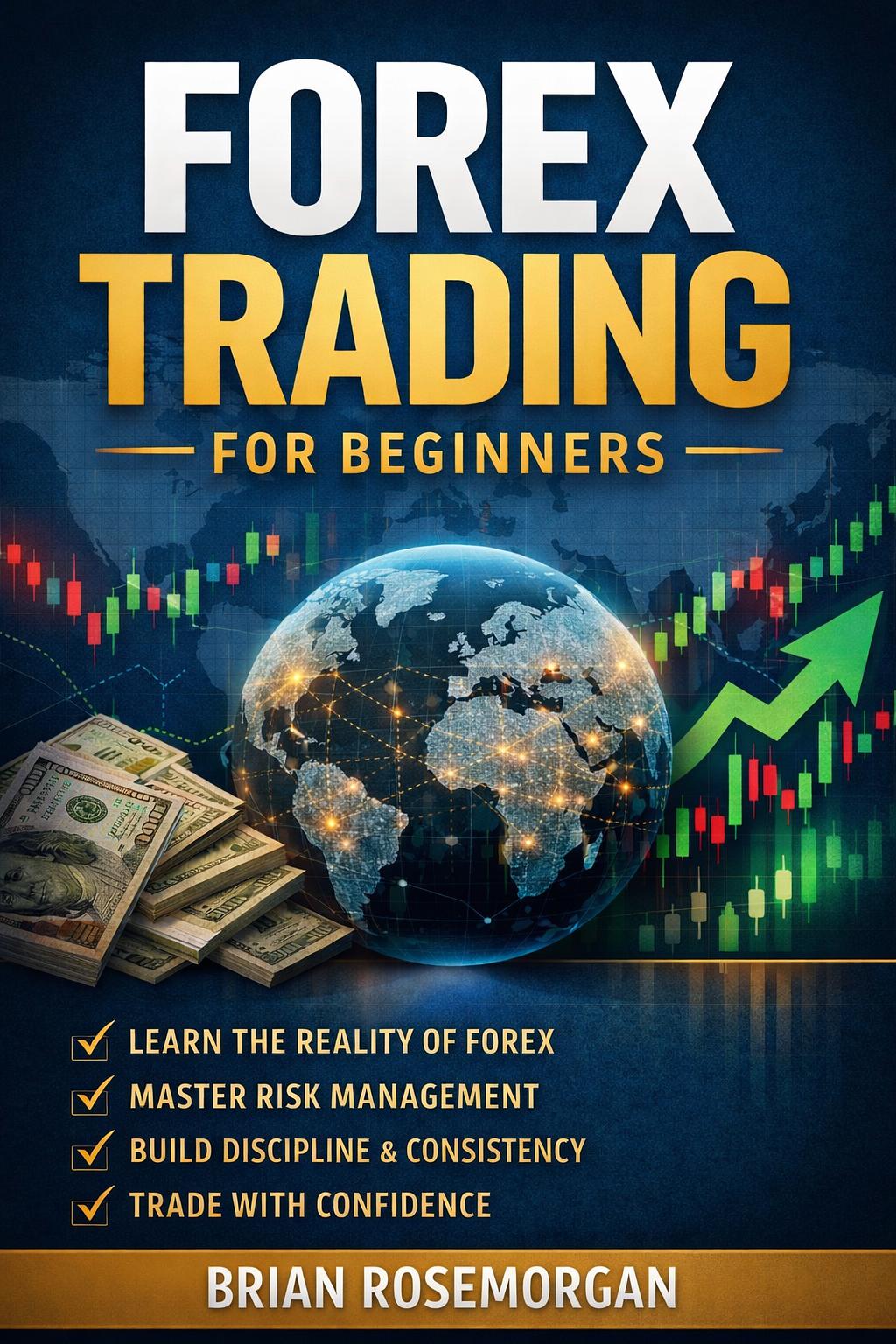
If you’ve enjoyed this free Academy, my book brings everything together in one structured beginner-friendly guide. It’s the perfect companion to the lessons you’ll complete here on TryBuying.
return to your lesson
Disclaimer: Forex trading and CFDs involve significant risk and may not be suitable for every investor. The information provided on this website is for educational purposes only and should not be considered financial, investment, or trading advice. Always verify that your broker is properly regulated before depositing funds, and practice on a demo account before trading with real money. Never risk money you cannot afford to lose. Past performance does not guarantee future results. Please read our full Risk Disclosure
Relevant schema: TechArticle
“`