
Updated August 2026

Brian Rosemorgan
Retired Professional Trader | 8+ Years Experience | South Africa
Questions?
How to Protect Your Forex Trading Account
Protecting your forex trading account means controlling your losses before you worry about making profits. Good risk management can help prevent a small losing period from becoming a major account setback.
One of the biggest mistakes beginners make is concentrating too heavily on how much money they can make from forex trading. The more important question is how much they could lose while trying to make those profits.
The forex market will always provide another trading opportunity. Your trading capital, however, is limited. Once a large portion of your account has been lost, recovering it becomes increasingly difficult.
In this guide, I explain practical ways beginners can protect their forex trading account and develop a more disciplined approach to risk management.
The Simple Rule
Your first job as a trader is to protect your trading capital.
That means controlling the amount you risk on each trade, avoiding excessive leverage, using sensible stop-loss levels and refusing to increase risk simply because you have experienced a loss.
Why Protecting Your Trading Account Matters
Your trading account is the capital that allows you to participate in the market. If you lose too much of it, you have fewer opportunities to continue trading and learning.
For example, losing 10% of an account requires an 11.1% gain to return to the starting level. Losing 50% requires a 100% gain just to get back to where you started.
This is why effective risk management focuses heavily on preventing large losses rather than trying to predict every winning trade.
5 Ways to Protect Your Forex Trading Account
1. Risk Only a Small Amount on Each Trade
Risking a small percentage of your account on an individual trade means that a losing trade should not cause serious damage to your overall capital. The exact percentage depends on your strategy and circumstances, but the principle is simple: keep individual losses controlled.
2. Use a Stop-Loss
A stop-loss can automatically close a position when the market reaches a predetermined level. It does not guarantee that every trade will close at the exact price expected, but it can help prevent a losing position from continuing indefinitely.
3. Avoid Excessive Leverage
Leverage allows traders to control larger positions with less capital, but it also increases the potential impact of price movements on an account. Beginners should understand how leverage works before using it and avoid taking unnecessarily large positions.
4. Never Chase Losses
A losing trade should not automatically lead to another trade. Increasing your position size because you want to recover money quickly can turn a manageable loss into a much larger account problem.
5. Know When to Stop Trading
A daily loss limit or other predetermined stopping point can help prevent a bad trading session from becoming even worse. Once your limit has been reached, stepping away from the market can be the most disciplined decision.
Forex Account Protection Checklist
| Risk Control | Why It Matters | Beginner Action |
|---|---|---|
| Position Size | Controls how much money is exposed. | Calculate position size before entering. |
| Stop-Loss | Helps define the maximum planned loss. | Know your exit before entering the trade. |
| Leverage | Can magnify gains and losses. | Avoid unnecessarily large positions. |
| Daily Loss Limit | Prevents one bad session becoming worse. | Set your limit before trading. |
| Trading Plan | Keeps decisions consistent. | Follow your rules rather than emotions. |
Protecting Your Account From Large Drawdowns
A drawdown occurs when your account falls from a previous high point. Every strategy can experience losing periods, but good risk management can help prevent those periods from causing catastrophic damage.
If you want to understand drawdowns in more detail, see my guide: What Is a Forex Drawdown?
The important lesson is that a trader does not need to avoid every losing trade. Instead, the objective is to keep individual losses and losing periods within a level that can be managed.
Common Mistakes That Can Damage a Forex Account
1. Risking Too Much on One Trade
A single trade should not have the power to seriously damage your account. Large position sizes can turn normal market movements into major losses.
2. Moving a Stop-Loss Further Away
Moving a stop-loss simply because you do not want to accept a loss can allow a small planned loss to become much larger. Your original risk should be decided before entering the trade.
3. Trading Without a Plan
Entering trades without clear rules makes it difficult to know whether your results are caused by your strategy or by random decisions.
4. Trying to Get Rich Quickly
Aggressive profit targets often encourage traders to take excessive risk. A slow and controlled approach may appear less exciting, but preserving capital gives you more time to learn.
5. Continuing After Emotional Trading
If you are angry, frustrated or desperate to recover a loss, your decision-making may be affected. Taking a break can prevent an emotional trading session from becoming an expensive one.
Brian’s Trading Experience
One of the biggest lessons I learned during my years of trading was that protecting an account is more important than trying to make a quick profit.
Like many traders, I made mistakes early in my trading journey. I learned that losing money is not necessarily the biggest problem. Allowing a loss to become much larger because of poor decisions is the real danger.
Over time, I became much more focused on position size, risk control and accepting that not every trade needs to be a winner.
If you protect your capital, you give yourself the opportunity to stay in the game long enough to learn.
💡 Brian’s Pro Tip
Before every trade, ask yourself one simple question: “If this trade loses, will my account still be completely under control?” If the answer is no, reduce the risk or do not take the trade.
How to Protect Your Forex Account: Key Points
- Protecting capital should come before chasing profits.
- Risk only a controlled amount on each trade.
- Calculate your position size before entering.
- Use sensible stop-loss levels.
- Avoid excessive leverage.
- Never increase risk simply to recover a loss.
- Consider using a daily loss limit.
- Keep a written trading plan.
- Take a break when emotions begin affecting your decisions.
- Remember that staying in the market is more important than winning every trade.
Frequently Asked Questions
How do I protect my forex trading account?
You can help protect your account by controlling position size, limiting the amount risked per trade, using appropriate stop-losses, avoiding excessive leverage and following a written trading plan.
What is the most important forex risk management rule?
There is no single rule that works for every trader, but controlling how much you can lose on each trade is one of the most important principles of risk management.
Should I use a stop-loss when trading forex?
A stop-loss can help define the amount of risk you are prepared to accept on a trade. However, traders should understand that stop-loss execution can be affected by market conditions such as gaps or rapid price movements.
Can leverage destroy a forex account?
Excessive leverage can significantly increase the effect of market movements on your account. If a trader takes positions that are too large for their account, relatively small price movements can produce substantial losses.
Should I trade after losing money?
A loss does not automatically mean you should stop trading for the day. However, if you are frustrated or feel a strong urge to recover the money immediately, taking a break can help prevent emotional decisions.
Why is protecting capital important in forex?
Capital is what allows you to continue participating in the market. Large losses require increasingly larger gains to recover, so controlling downside risk can help preserve your ability to keep learning and trading.
Continue Learning Forex Risk Management
Protecting your trading account is one of the foundations of successful forex risk management. My free Forex Academy takes beginners through the important principles step by step.
Continue with the main Academy lesson:
The Academy is completely free, and I also provide free mentorship and advice to help beginners understand what they are learning.
Forex Trading for Beginners
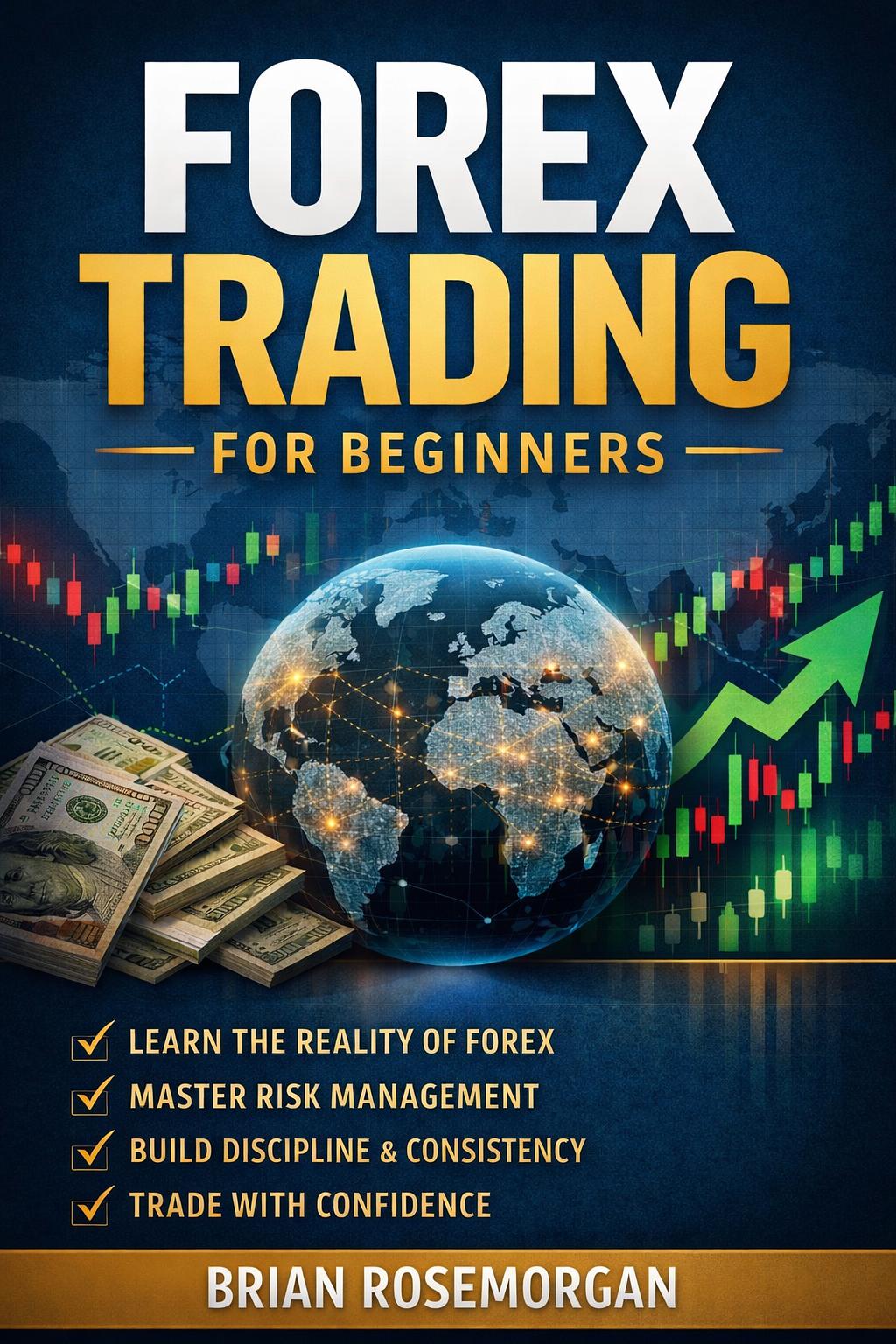
If you’ve enjoyed this free Academy, my book brings everything together in one structured beginner-friendly guide. It’s the perfect companion to the lessons you’ll complete here on TryBuying.
Section Complete
Disclaimer: Forex trading and CFDs involve significant risk and may not be suitable for every investor. The information provided on this website is for educational purposes only and should not be considered financial, investment, or trading advice. Always verify that your broker is properly regulated before depositing funds, and practice on a demo account before trading with real money. Never risk money you cannot afford to lose. Past performance does not guarantee future results. Please read our full Risk Disclosure.