

Brian Rosemorgan
Retired Professional Trader | 8+ Years Experience | South Africa
Questions?
How Much Leverage Do You Need for Small Forex Accounts
Stepping into currency trading with a modest account balance naturally leads to questions about leverage. Many retail brokers offer aggressive leverage ratios like 1:500 or 1:1000, framing this borrowing power as an essential tool that enables small balances to participate meaningfully in massive global markets.
However, treating high leverage as mandatory fuel for small accounts is one of the quickest ways to trigger a total margin wipeout. While leverage provides the buying power required to open standard or mini lots, it simultaneously magnifies losses at the exact same multiplier, turning ordinary market noise into a devastating account blowout.
Throughout this guide, you will master how leverage interacts with small capital footprints, enabling you to select sensible borrowing ratios that support sound position sizing without exposing your working balance to catastrophic risk.
1. Defining Leverage in Retail Forex
Leverage acts as a financial bridge provided by your broker, allowing you to control larger position sizes than your actual account equity permits. While a 1:30 or 1:100 ratio multiplies your purchasing capacity, it does not change underlying market volatility or create free money for your trading strategy.
2. Why Small Accounts Rely on Leverage
Standard currency lots require controlling 100,000 units of a base currency, making them completely unreachable for accounts funded with only a few hundred dollars. Moderate leverage allows micro-lot and fractional execution, bridging the gap so smaller balances can participate without violating exchange rules.
3. The Double-Edged Sword of High Ratios
Brokers advertising extreme leverage ratios often lure beginners into over-leveraging their positions. When you utilize maximum leverage on a small account, a minor market retracement against your direction consumes your remaining margin instantly, leaving zero buffer for normal trade breathing room.
4. Calculating True Risk vs. Available Margin
Your broker’s available leverage limit should never dictate your actual trade size. Professional risk management dictates that position volume must be calculated using your stop loss distance and the 1% risk rule, completely independent of how much maximum leverage your account provides.
5. Finding the Optimal Leverage Sweet Spot
For most retail accounts with limited capital, a moderate leverage ratio between 1:10 and 1:30 provides sufficient operational room while discouraging reckless position sizing. This balanced approach protects your account margin and enforces disciplined, process-driven trade execution over gambling.
💡 Brian’s Expert Advice
During my years trading live markets, I frequently saw beginners use 1:500 leverage on $200 accounts, treating a currency trade like a lottery ticket. High leverage does not make you a better trader; it simply accelerates the speed at which mistakes drain your equity. Never confuse high buying power with permission to take oversized risks.
| Key Feature | What You Need to Know | Actionable Takeaway |
|---|---|---|
| High Leverage (1:500+) | Amplifies minor market movements into massive account gains or instant losses. | Avoid excessive ratios to protect your working balance from sudden margin calls. |
| Moderate Leverage (1:30) | Provides enough operational room for micro lots without encouraging overexposure. | Opt for regulated, balanced ratios that align with strict capital preservation rules. |
| Position Sizing Control | Determines risk per trade based on stop loss distance rather than account credit. | Always calculate lot size using your 1% risk rule before entering any live order. |
Frequently Asked Questions
1. What is the best leverage ratio for small forex accounts?
A conservative leverage ratio between 1:10 and 1:30 is widely recommended for small accounts. This range provides enough buying power to open micro lots while keeping margin requirements low enough to prevent accidental over-allocation during volatile market sessions.
2. Does high leverage increase my chances of winning trades?
High leverage has zero impact on the probability of a trade winning or losing. It only alters the financial outcome of the position by multiplying the cash value of every pip, meaning winning trades make more money while losing trades destroy your account faster.
3. What happens when a small account runs out of margin?
When your floating losses reduce your available margin below the broker’s maintenance threshold, an automatic margin call or stop-out occurs. The platform forcibly closes your open positions at current market prices to prevent your account balance from dropping below zero.
4. Is 1:500 leverage safe for beginner traders?
Extremely high leverage like 1:500 is generally unsafe for beginners because it allows tiny capital amounts to control massive positions. A minor market move of just a few pips against an over-leveraged position can wipe out an entire small account within minutes.
5. How does leverage affect overnight swap fees?
Leverage allows you to control larger nominal position sizes, which directly scales the size of overnight swap or rollover rates charged by brokers. Holding highly leveraged positions across multi-day sessions can result in significant financing costs eating into small account balances.
6. Can I trade forex without using any leverage?
Trading without leverage is entirely possible, often referred to as 1:1 trading. However, operating without leverage on a small account requires substantial capital to buy even a single micro lot, making it impractical for most retail traders with modest starting funds.
7. Why do regulated brokers cap leverage limits?
Financial regulators enforce strict leverage caps—such as 1:30 for retail clients in certain jurisdictions—to protect everyday traders from excessive risk exposure. These limits prevent predatory broker offerings from enabling catastrophic financial losses among retail participants.
8. How do I calculate the right lot size with leverage?
Proper lot sizing relies on your account equity, risk percentage per trade, and stop-loss pip distance. You should calculate position volume based on your risk parameters first, ensuring the required margin utilizes only a tiny fraction of your total account leverage.
9. Does South African broker regulation restrict leverage?
Brokers operating under South African regulatory frameworks provide specific leverage guidelines tailored for retail stability. Understanding these local compliance boundaries ensures you select a transparent provider that prioritizes account safety over reckless marketing gimmicks.
🛠 Brokers to Consider for Demo Trading
If you are learning forex risk management, I recommend starting with a demo account rather than rushing into live trading. When comparing brokers, look beyond advertised spreads and consider regulation, commissions, execution, platform availability, withdrawal conditions and customer support.
The brokers below are included because they offer demo-trading options. This section contains affiliate links, so I may receive a commission if you open an account through one of the links. This does not mean that either broker is suitable for every trader. Always research the broker yourself and verify its current regulatory status and trading conditions before opening an account.
XM
✔ Demo account available
✔ MT4 & MT5
✔ Multiple account options
✔ Educational resources
An option to investigate if you want to practise trading on demo while comparing its costs, platforms and account conditions with other brokers.
AvaTrade
✔ Demo account available
✔ MT4 & MT5
✔ AvaTradeGO platform
✔ Educational resources
Another option to investigate if you want to compare platforms, trading conditions and educational resources while practising on demo.
Important: Spreads, commissions, leverage and other trading conditions can change. Always check the broker’s current terms, costs, regulation and withdrawal requirements before opening an account.
📘 Forex Trading for Beginners
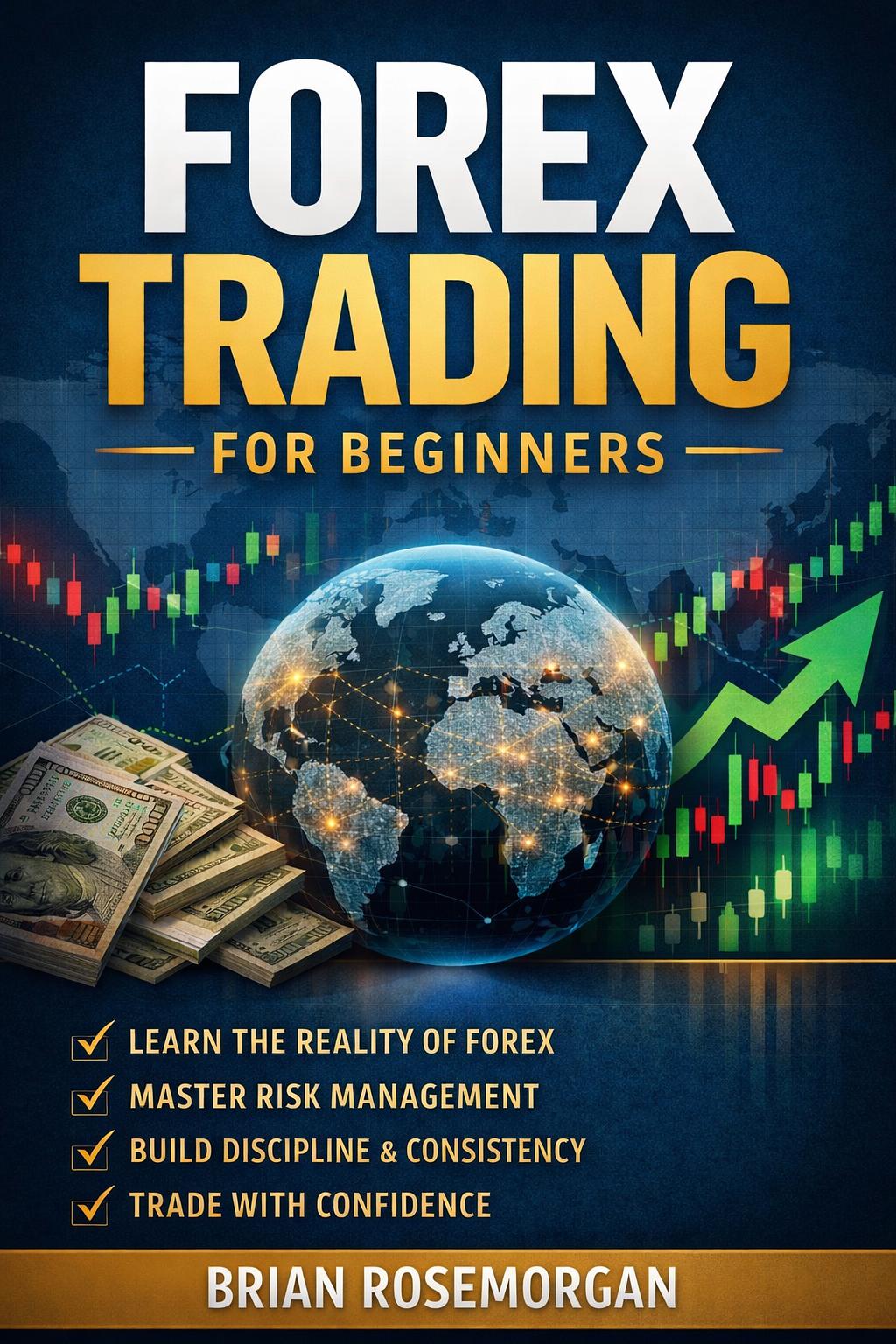
If you’ve enjoyed this free Academy, my book brings everything together in one structured beginner-friendly guide. It’s the perfect companion to the lessons you’ll complete here on TryBuying.
return to your lesson
Disclaimer: Forex trading and CFDs involve significant risk and may not be suitable for every investor. The information provided on this website is for educational purposes only and should not be considered financial, investment, or trading advice. Always verify that your broker is properly regulated before depositing funds, and practice on a demo account before trading with real money. Never risk money you cannot afford to lose. Past performance does not guarantee future results. Please read our full Risk Disclosure.