
updated august 2026

Brian Rosemorgan
Retired Professional Trader | 8+ Years Experience | South Africa
Questions?
How to Avoid Overtrading Forex
Overtrading forex is one of the easiest mistakes for beginners to make. It happens when you take too many trades, trade without a clear setup, or continue trading simply because you want to make back a loss. More trades do not automatically mean more profit. In many cases, excessive trading simply creates more opportunities to make poor decisions.
Overtrading can increase your exposure to market risk, trading costs and emotional decision-making. After a losing trade, it can be tempting to immediately enter another position to recover the money. After a winning trade, traders can also become overconfident and take setups they would normally ignore. A simple set of trading rules can help prevent both situations.
In this guide, you will learn how to recognise overtrading, identify the situations that cause it and create practical limits for your trading activity. The goal is not to avoid trading completely. The goal is to take fewer, higher-quality trades that fit your strategy and risk-management rules.
1. What Is Overtrading in Forex?
Overtrading means taking more trades than your strategy or trading plan justifies. This can include entering weak setups, trading outside your normal hours, repeatedly entering after losses or simply trading because the market is moving. A good trader understands that sometimes the best decision is to stay out of the market.
2. Why Do Forex Traders Overtrade?
Overtrading is often caused by emotions rather than market conditions. Fear of missing out, boredom, frustration after a loss and the desire to make quick profits can all encourage unnecessary trades. Without clear rules, emotions can gradually replace your trading plan and cause you to take positions that you would normally reject.
3. How Losses Can Lead to Overtrading
A losing trade can create a strong temptation to immediately recover the money. This is sometimes called revenge trading. The trader increases activity because the previous result is influencing the next decision. Instead, accept that losses are part of forex trading and judge each new setup independently according to your normal rules.
4. Set a Maximum Number of Trades
One practical way to reduce overtrading is to set a daily or weekly trading limit. For example, you might decide that you will only take trades when your specific setup appears and stop for the day after reaching your predetermined limit. The exact number should fit your strategy rather than being chosen simply because it sounds reasonable.
5. Learn to Walk Away From the Market
Not every market condition provides a good trading opportunity. If your setup is not present, there is nothing wrong with doing nothing. Walking away can protect your capital and your mindset. A disciplined trader understands that waiting for a high-quality opportunity is part of the trading process.
💡 Brian’s Expert Advice
One of the biggest lessons I learned from trading is that you do not have to trade every time you sit in front of your computer. Some of my worst decisions came when I felt I needed to trade rather than when a genuine setup was present. I would rather miss a trade than force one. Protecting your capital and waiting for your strategy to give you a proper signal is a much better habit than constantly looking for another position.
| Key Feature | What You Need to Know | Actionable Takeaway |
|---|---|---|
| Trading Plan | Your plan defines when you should and should not trade. | Only trade setups that meet your written rules. |
| Emotional Trading | Fear, frustration, boredom and greed can trigger unnecessary trades. | Pause before entering a trade and check your rules. |
| Daily Limits | Trading without limits can encourage excessive activity. | Set a sensible maximum and stop when your conditions are no longer met. |
Frequently Asked Questions
1. What Is Overtrading in Forex?
Overtrading in forex means taking too many trades or entering positions that do not meet your normal strategy rules. It can happen because of boredom, fear of missing out, frustration or the desire to recover losses quickly. The solution is to follow a clear trading plan and only take quality setups.
2. How Can I Stop Overtrading Forex?
You can reduce overtrading by creating clear entry rules, setting a maximum number of trades and keeping a trading journal. It also helps to decide when you will stop trading before you begin. Having these rules in place makes it easier to step away when emotions start influencing your decisions.
3. Why Do Forex Traders Overtrade?
Forex traders may overtrade because they want to make money quickly, recover a loss or avoid missing a market move. Boredom can also cause unnecessary trades when there is little genuine opportunity. Understanding these triggers is important because overtrading is often a behaviour problem rather than a strategy problem.
4. Is Overtrading Bad for Forex Beginners?
Overtrading can be particularly damaging for beginners because new traders are still developing discipline and learning how markets behave. Taking many trades can increase costs and expose a beginner to more opportunities for mistakes. Learning to wait for a suitable setup is an important part of becoming a disciplined trader.
5. How Many Forex Trades Should I Take Per Day?
There is no universal number of trades that is suitable for every trader. Your trading frequency should depend on your strategy, timeframe and available opportunities. Some strategies may produce several valid setups, while others may produce very few. Quality should be more important than reaching a particular number of trades.
6. How Do I Avoid Revenge Trading After a Loss?
After a losing trade, avoid immediately trying to win the money back. Take a break and review whether the trade followed your rules. If it did, accept the loss as part of trading. If it did not, identify the mistake before considering another position. Never increase your risk simply because you lost.
7. Can a Trading Plan Prevent Overtrading?
A good trading plan can significantly reduce overtrading because it gives you rules for when to enter, when to stay out and when to stop. It can also define your risk per trade and daily limits. The important part is following the plan consistently rather than changing it because of emotions.
8. Should I Stop Trading After a Certain Number of Losses?
Many traders find it useful to have a predetermined stopping rule after a series of losses. The exact limit should be based on your own strategy and risk-management plan. Taking a break can prevent frustration from turning into revenge trading. The key is to decide the rule before emotions become involved.
9. Is It Better to Trade Less in Forex?
Trading less can be beneficial when it means avoiding low-quality setups. Successful trading is not about being in the market all the time. It is about taking trades that fit your strategy and risk rules. Waiting patiently can help reduce unnecessary losses, trading costs and emotional decisions.
🛠️ Brokers to Consider for Demo Trading
If you are learning forex risk management, I recommend starting with a demo account rather than rushing into live trading. When comparing brokers, look beyond advertised spreads and consider regulation, commissions, execution, platform availability, withdrawal conditions and customer support.
The brokers below are included because they offer demo-trading options. This section contains affiliate links, so I may receive a commission if you open an account through one of the links. This does not mean that either broker is suitable for every trader. Always research the broker yourself and verify its current regulatory status and trading conditions before opening an account.
XM
✔️ Demo account available
✔️ MT4 & MT5
✔️ Multiple account options
✔️ Educational resources
An option to investigate if you want to practise trading on demo while comparing its costs, platforms and account conditions with other brokers.
AvaTrade
✔️ Demo account available
✔️ MT4 & MT5
✔️ AvaTradeGO platform
✔️ Educational resources
Another option to investigate if you want to compare platforms, trading conditions and educational resources while practising on demo.
Important: Spreads, commissions, leverage and other trading conditions can change. Always check the broker’s current terms, costs, regulation and withdrawal requirements before opening an account.
📘 Forex Trading for Beginners
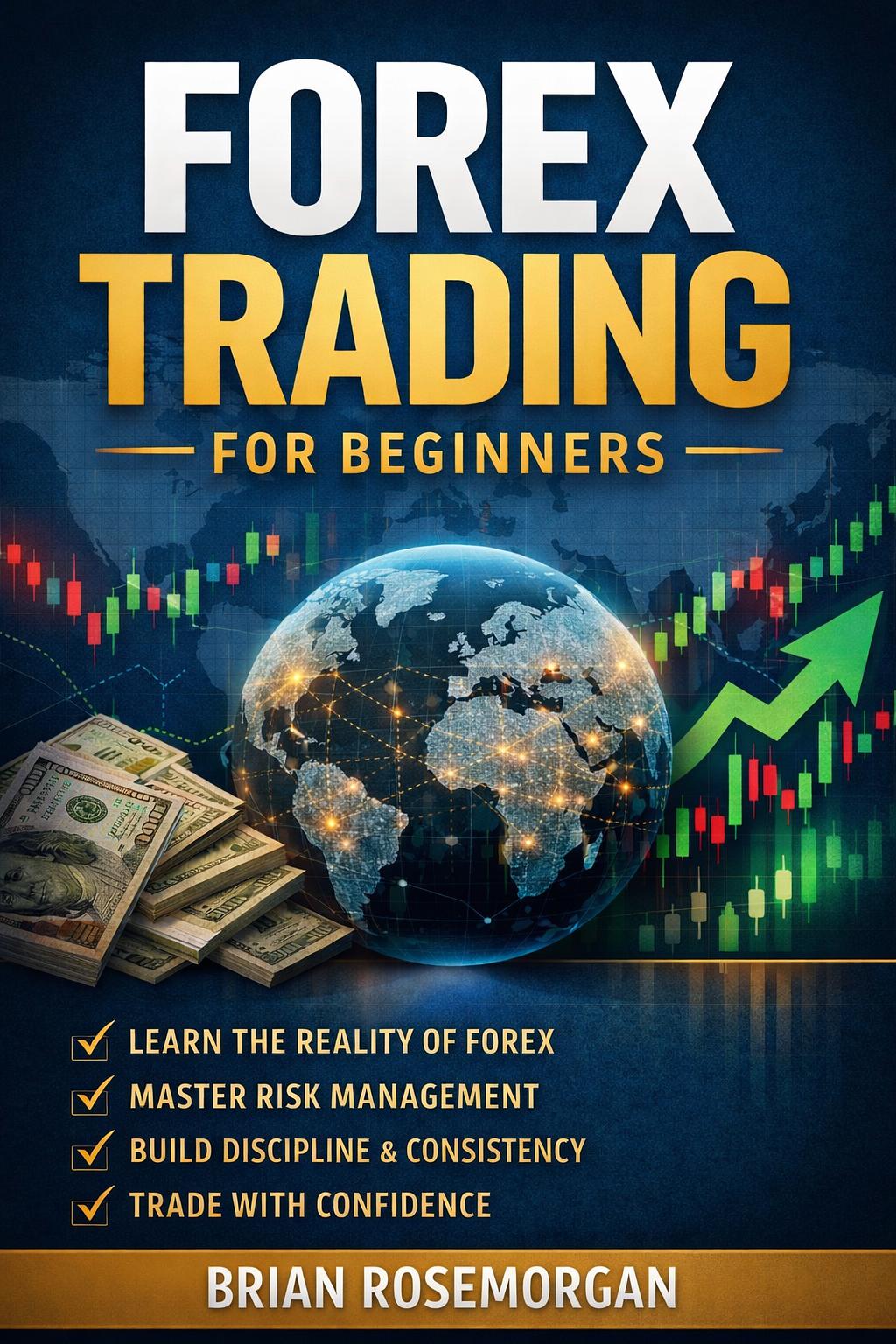
If you’ve enjoyed this free Academy, my book brings everything together in one structured beginner-friendly guide. It’s the perfect companion to the lessons you’ll complete here on TryBuying.
return to your lesson
Disclaimer: Forex trading and CFDs involve significant risk and may not be suitable for every investor. The information provided on this website is for educational purposes only and should not be considered financial, investment, or trading advice. Always verify that your broker is properly regulated before depositing funds, and practice on a demo account before trading with real money. Never risk money you cannot afford to lose. Past performance does not guarantee future results. Please read our full Risk Disclosure
relevent schama