
updated august 2026

Brian Rosemorgan
Retired Professional Trader | 8+ Years Experience | South Africa
Questions?
What Is Risk to Reward Ratio in Forex?
The risk to reward ratio in forex compares how much money you are prepared to risk on a trade with the amount you could potentially make if the trade reaches your profit target. It is a simple way of looking at a trade before entering it and asking whether the potential reward justifies the potential risk.
For example, a 1:2 risk to reward ratio means that you are risking R100 to potentially make R200. A 1:3 ratio means risking R100 to potentially make R300. The first number represents the risk and the second represents the potential reward. Understanding this relationship can help beginners plan trades more carefully instead of focusing only on how much money they might make.
In this guide, I will explain how the risk to reward ratio works, how to calculate it, and what common ratios such as 1:1, 1:2 and 1:3 actually mean. We will also look at the relationship between risk to reward and win rate, common beginner mistakes, and how this concept fits together with the 1% risk rule.
1. What Does Risk to Reward Ratio Mean in Forex?
Risk to reward ratio is a comparison between the potential loss and potential profit of a forex trade. If you risk R100 and your planned profit is R200, the trade has a 1:2 ratio. The calculation does not predict whether the trade will win. It simply shows the relationship between your planned risk and potential reward.
2. How Do You Calculate Risk to Reward Ratio?
You can calculate the ratio by comparing the distance from your entry price to your stop loss with the distance from your entry price to your profit target. For example, if your stop loss is 30 pips away and your target is 60 pips away, the trade has a 1:2 risk to reward ratio.
3. What Do 1:1, 1:2 and 1:3 Mean?
A 1:1 ratio means the potential reward is equal to the amount being risked. A 1:2 ratio means the potential reward is twice the risk. A 1:3 ratio means the potential reward is three times the risk. These ratios describe the trade plan, not a guarantee of the final result.
4. Does a Higher Risk to Reward Ratio Mean a Better Trade?
Not necessarily. A 1:3 trade may look more attractive than a 1:2 trade, but the profit target may be further away and harder for the market to reach. A realistic target based on your trading strategy is more important than simply trying to create the highest possible risk to reward ratio.
5. How Does Risk to Reward Work With the 1% Rule?
The 1% rule determines how much of your account you are prepared to risk on a trade. Risk to reward then compares that planned risk with your potential reward. For example, if your maximum planned loss is R100 and your potential reward is R200, the trade has a 1:2 risk to reward relationship.
💡 Brian’s Expert Advice
One lesson I learned during my years of trading is that it is very easy to become focused on the potential profit of a trade. When you see a possible R500 or R1,000 profit, it can be tempting to forget about what could happen if the trade goes against you.
I prefer to look at the risk first. Where would I place my stop loss? How much am I prepared to lose if I am wrong? Once that is clear, I can then look at whether the potential reward makes the trade worthwhile.
My advice to beginners is simple: don’t choose a trade because the risk to reward ratio looks attractive. Choose a good trading setup first, define your risk, set a realistic target and then calculate the ratio.
| Key Feature | What You Need to Know | Actionable Takeaway |
|---|---|---|
| 1:1 Ratio | The potential reward is equal to the amount being risked. | Understand that the trade needs a relatively high win rate to overcome losses and trading costs. |
| 1:2 Ratio | The potential reward is twice the amount being risked. | Calculate the ratio before entering and make sure the profit target is realistic. |
| 1:3 Ratio | The potential reward is three times the amount being risked. | Do not move your target unrealistically far away simply to create a higher ratio. |
Frequently Asked Questions
1. What is risk to reward ratio in forex?
Risk to reward ratio compares the potential amount you could lose on a forex trade with the potential amount you could make. For example, risking R100 to potentially make R200 represents a 1:2 ratio. It is a planning tool that helps traders evaluate a trade before entering it.
2. What does a 1:2 risk to reward ratio mean?
A 1:2 risk to reward ratio means that the potential reward is twice the amount being risked. If you risk R100, your planned potential reward would be R200. This does not mean you will make R200 because the trade can still lose or fail to reach the profit target.
3. Is a 1:3 risk to reward ratio better than 1:2?
Not automatically. A 1:3 ratio offers a larger potential reward relative to the risk, but the profit target may also be harder to reach. The quality of the trading setup and the realism of the target are important. A trader should not force an unrealistic target simply to achieve a higher ratio.
4. How do you calculate risk to reward ratio in forex?
Compare the potential reward with the potential risk. For example, if your stop loss is 30 pips from your entry and your profit target is 60 pips away, you have 60 divided by 30, giving a 1:2 risk to reward ratio. The same principle can be applied using monetary amounts.
5. What is a good risk to reward ratio in forex?
There is no single risk to reward ratio that is best for every trader or strategy. Ratios such as 1:2 and 1:3 are commonly discussed because they provide more potential reward than risk, but the target must still be realistic. Your strategy’s historical results are more important than chasing a particular ratio.
6. Can you make money with a 1:2 risk to reward ratio?
A 1:2 ratio can be part of a profitable trading strategy, but the ratio alone does not guarantee profitability. Your win rate, average results, trading costs and strategy quality all matter. A trader can still lose money with a 1:2 ratio if the underlying trading strategy does not have an edge.
7. How does the 1% risk rule relate to risk to reward?
The 1% risk rule controls how much of your trading account you are prepared to lose on an individual trade. Risk to reward compares that planned risk with the potential reward. Used together, they can help you think about both sides of a trade before committing your money.
8. Should beginners always use a 1:2 risk to reward ratio?
Beginners should not automatically force every trade to have a 1:2 ratio. The stop loss should be placed according to the trading setup and the profit target should be realistic. Once these are established, calculate the risk to reward ratio and decide whether the trade fits your trading plan.
9. Does risk to reward guarantee a winning forex trade?
No. Risk to reward does not predict whether an individual trade will win. It only describes the relationship between potential loss and potential profit. Even a trade with an attractive ratio can lose, which is why risk management and disciplined trading remain essential.
🛠 Brokers to Consider for Demo Trading
If you are learning forex risk management, I recommend starting with a demo account rather than rushing into live trading. When comparing brokers, look beyond advertised spreads and consider regulation, commissions, execution, platform availability, withdrawal conditions and customer support.
The brokers below are included because they offer demo-trading options. This section contains affiliate links, so I may receive a commission if you open an account through one of the links. This does not mean that either broker is suitable for every trader. Always research the broker yourself and verify its current regulatory status and trading conditions before opening an account.
XM
✔ Demo account available
✔ MT4 & MT5
✔ Multiple account options
✔ Educational resources
An option to investigate if you want to practise trading on demo while comparing its costs, platforms and account conditions with other brokers.
AvaTrade
✔ Demo account available
✔ MT4 & MT5
✔ AvaTradeGO platform
✔ Educational resources
Another option to investigate if you want to compare platforms, trading conditions and educational resources while practising on demo.
Important: Spreads, commissions, leverage and other trading conditions can change. Always check the broker’s current terms, costs, regulation and withdrawal requirements before opening an account.
📘 Forex Trading for Beginners
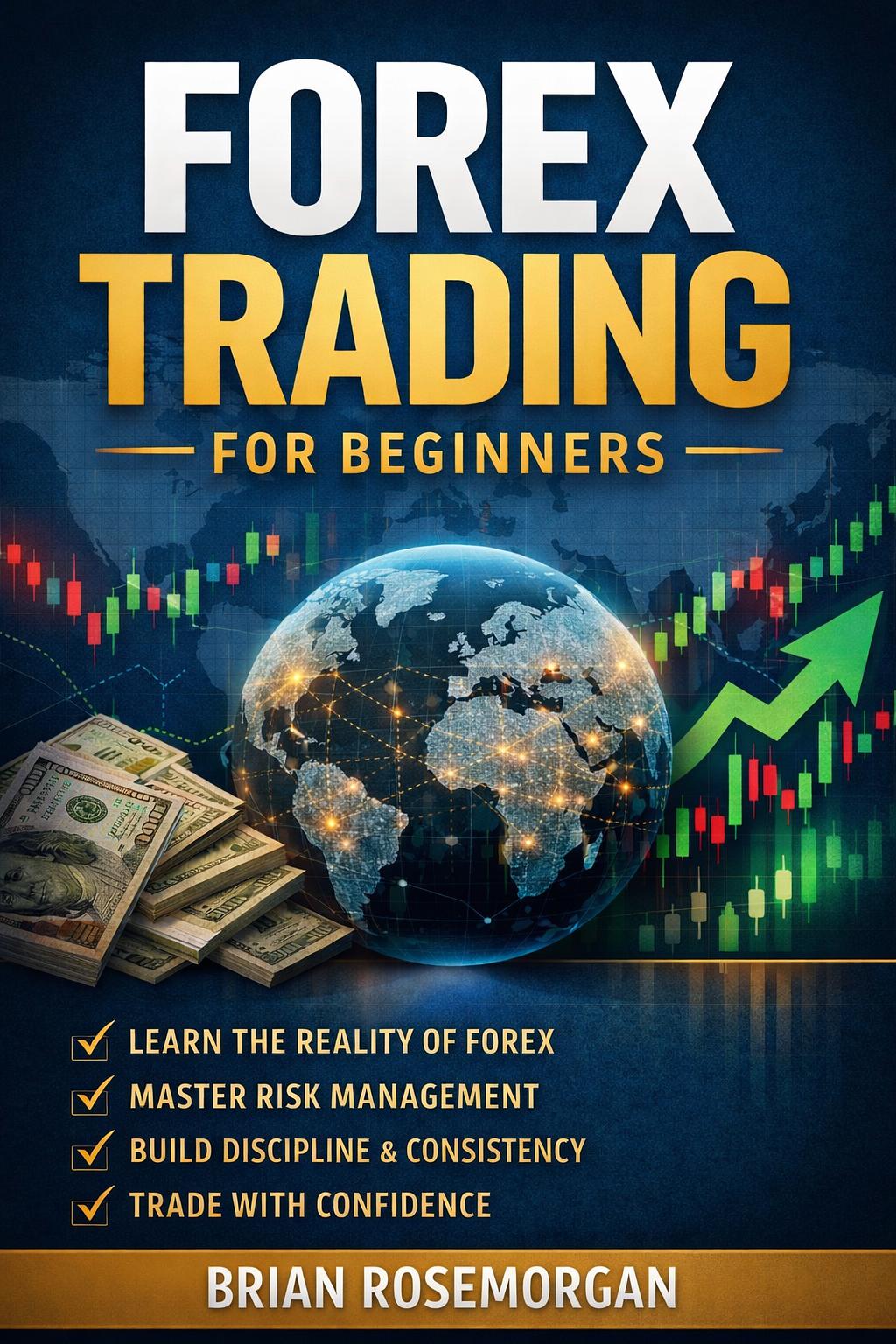
If you’ve enjoyed this free Academy, my book brings everything together in one structured beginner-friendly guide. It’s the perfect companion to the lessons you’ll complete here on TryBuying.
return to your lesson
Disclaimer: Forex trading and CFDs involve significant risk and may not be suitable for every investor. The information provided on this website is for educational purposes only and should not be considered financial, investment, or trading advice. Always verify that your broker is properly regulated before depositing funds, and practice on a demo account before trading with real money. Never risk money you cannot afford to lose. Past performance does not guarantee future results. Please read our full Risk Disclosure
relevent schama