
updated august 2026

Brian Rosemorgan
Retired Professional Trader | 8+ Years Experience | South Africa
Questions?
Is Forex Trading a Good Idea?
Yes, forex trading can be a worthwhile skill to learn, but it is not a reliable way to make quick money. For beginners, the more important question is whether you are prepared to learn the market, manage risk and accept losses without risking money you cannot afford to lose.
When starting out, many beginners ask whether forex trading is a genuinely good idea or simply an expensive distraction. The reality is that forex trading can be a rewarding intellectual and financial skill, but it demands patience, dedication, and realistic expectations rather than a desire for quick riches.
Unlike traditional careers or stable long-term investments, the foreign exchange market is fast-moving and commonly traded with leverage. These characteristics can create significant opportunities, but they can also produce substantial losses when traders are inexperienced or take excessive risks.
In this guide, we explore the core pros and cons of forex trading, how to approach it safely as a beginner, and what it takes to decide if this path aligns with your personal financial goals, risk tolerance, and long-term commitment level.
If you are completely new to forex, you may also want to start with my
Forex Trading for Beginners lessons
before considering live trading.
1. Understand Market Realities Before Committing Capital
Forex trading offers global market access and the ability to participate during different trading sessions. However, easy access to the market can also encourage beginners to trade too frequently or underestimate the risks involved.
Forex prices can be volatile and do not move in a straight line. Economic data, interest-rate decisions, political events and changes in market sentiment can cause currencies to move quickly. A trade that appears promising can therefore move against you.
Liquidity also varies between currency pairs and market conditions. Major currency pairs generally have higher liquidity and more competitive spreads, while less-traded or exotic pairs can have wider spreads and may experience less liquidity.
Traders also need to consider the costs of trading. Spreads, commissions and overnight financing charges can reduce the overall result of a trading strategy, particularly when trades are opened frequently.
Another important reality is that retail traders do not have the same resources as large financial institutions. Banks and institutional participants may have greater access to market information, technology and analytical resources. This does not make successful trading impossible, but it highlights the importance of realistic expectations and proper preparation.
Past performance also does not guarantee future results. A strategy, currency pair or trading approach that performed well in the past can produce different results as market conditions change.
A clear evaluation of your personal readiness is therefore essential before depositing live funds. Beginners should understand the risks, trading costs, volatility and practical demands of forex before deciding whether they are ready to trade with real money.
2. Treat Forex as a Professional Skill
Approaching forex as a casual hobby or a form of gambling can quickly result in poor decisions. Treat your education like learning any specialized skill: understand the terminology and market mechanics, learn how to read charts, and develop an understanding of the economic and fundamental factors that can influence currency prices.
Risk management is another essential part of learning to trade. Understanding position size, leverage, potential losses and how much capital you are prepared to risk can help prevent a single trade from causing excessive damage to your account.
Trading also requires discipline and emotional control. Fear, greed, impatience and the temptation to chase losses can lead to decisions that are very different from the plan you intended to follow.
Practising on a demo account allows beginners to become familiar with trading platforms, orders, charts and their chosen approach before risking hard-earned capital. As your experience develops, keeping a record of your trades and reviewing your decisions can help identify mistakes and improve your trading process.
3. The Crucial Role of Risk Management
Even a well-tested trading strategy can suffer losses without proper risk management. Before entering a trade, a trader should identify the potential risks and consider how much of their trading capital could be affected if the market moves against them.
Limiting your exposure per trade, using appropriate stop-loss levels and avoiding excessive leverage are important steps toward protecting your trading capital. Position sizing is also important because the size of a trade directly affects how much money could be gained or lost from a given price movement.
Risk management does not mean avoiding every losing trade. Losses are an unavoidable part of trading, but disciplined risk management aims to prevent individual losses from becoming large enough to seriously damage your account.
It is also important to monitor your risk over time. Reviewing your trades and checking whether you are consistently following your risk rules can help identify problems before they become larger losses.
4. Leverage Can Work For or Against You
Leverage allows retail participants to control larger position sizes with smaller account balances, but it increases the impact of price movements on your account. Leverage is expressed as a ratio; for example, 20:1 leverage means that $1 of margin can provide exposure to a $20 position.
The important point for beginners is that profits and losses are based on the full position size, not simply the amount of money used as margin. A relatively small market movement can therefore produce a much larger percentage gain or loss on the trader’s available capital.
While leverage can increase potential returns, it can also magnify losses very quickly. Excessive leverage can leave a trader with insufficient account equity to maintain a position and may result in a margin call or forced position close-out, depending on the broker’s rules.
For beginners, understanding how leverage affects both potential gains and potential losses is essential. Conservative risk management and appropriate position sizing should be considered before using leverage with real money.
5.“Why is patience important in forex trading?”
.
New traders are often tempted by aggressive profit targets and promises of fast growth. Patience is important in forex trading because it helps prevent emotional and impulsive decisions, reduces overtrading and allows traders to wait for a clear, planned trading setup. Not every market movement is an opportunity to trade, and sometimes the best decision is to wait or stay out of the market. Long-term survival requires consistency, keeping a detailed trading journal, learning from mistakes and accepting small, controlled losses as a normal part of trading. The goal is not to make a profit from every trade, but to follow a disciplined approach and manage risk consistently over time.
Who Is Forex Trading Suitable For?
Forex trading is not suitable for everyone. Before opening a live account, honestly consider whether your expectations, finances and personality are compatible with the risks involved.
Forex May Suit You If:
- You are willing to learn before risking real money.
- You can accept losing trades without chasing losses.
- You have patience and discipline.
- You are prepared to practise on a demo account.
- You understand that profits are never guaranteed.
- You can afford to lose your trading capital.
Forex May Not Suit You If:
- You need immediate income from trading.
- You want to double your money quickly.
- You are using money needed for living expenses.
- You regularly chase losses.
- You dislike following rules or keeping a trading plan.
- You expect guaranteed returns.
Brian’s Expert Advice
When people ask me if forex trading is a good idea, my answer is always conditional. If you are looking for a reliable shortcut to replace a full-time income next week, it is a terrible idea. But if you view it as a long-term discipline built on risk control, continuous learning, and emotional restraint, it can be a worthwhile skill to develop.
When I first started trading, I made mistakes and learned the hard way that protecting capital is more important than chasing profits. Over time, I found that keeping things simple, controlling risk and avoiding unnecessary trades made a much bigger difference than constantly searching for a perfect strategy.
My strongest advice to a beginner is simple: learn first, practise on demo, control your risk and only consider live trading when you understand what you are doing.
| Key Feature | What You Need to Know | Actionable Takeaway |
|---|---|---|
| Market Access | Forex is available across major global trading sessions during the week. | Choose trading times that fit your schedule rather than trading constantly. |
| Capital Risk | Leverage can cause large losses very quickly when positions are too large. | Never risk money you cannot comfortably afford to lose. |
| Skill Set | Forex requires knowledge, practice, risk control and emotional discipline. | Follow a structured curriculum and practise on demo before going live. |
Learn Forex Free With the TryBuying Academy
If you have decided that forex is something you would like to learn, you do not need to rush into opening a live trading account.
The TryBuying Forex Academy is completely free and is designed to take beginners through forex step by step. The lessons cover the basics of forex trading, market mechanics, risk management, trading strategies, psychology and other important areas you need to understand before trading live.
I also offer free mentorship and advice to help beginners understand what they are learning and avoid some of the mistakes I made when I started trading.
The best place to begin is the
free Forex Academy.
You can learn at your own pace without putting real money at risk.
Frequently Asked Questions
1 Is forex trading worth it for beginners?
Forex trading can be worth learning for beginners who understand the risks and approach it as a skill that takes time to develop. It is not a quick or easy way to make money. The forex market is fast-moving, and leverage can increase both potential gains and losses, so beginners can lose money quickly without proper risk management.
A sensible starting point is to learn how currency pairs, spreads, leverage and risk management work before risking real money. Using a demo account allows beginners to practise trading without risking their capital. Beginners should also avoid aggressive profit targets, use controlled position sizes and never risk money they cannot afford to lose.
The key question is not whether forex is an easy way to make money, but whether you are prepared to learn, practise, manage risk and accept that losses are part of trading.
2. Can you make a living trading forex?
Yes, it is possible to make a living from forex trading, but it is difficult and there is no guaranteed income. Many retail traders lose money, particularly when they use excessive leverage, take too much risk or expect quick profits.
Trading for a living requires more than finding profitable trades. A trader needs a well-tested approach, strict risk management, patience, discipline and the ability to handle losing periods without abandoning their plan. It can take years of learning and experience to develop these skills.
Capital is also an important consideration. A trader who relies on forex for their income needs enough capital to manage risk sensibly while also covering their living expenses. Trying to generate a large income from a small account can encourage excessive risk-taking and overtrading.
For beginners, the priority should therefore be learning how the market works, practising on a demo account, developing sound risk-management habits and building experience rather than trying to replace an income immediately.
3. How much money do I need to start trading forex?
There is no single amount that every beginner needs to start trading forex. Some brokers offer accounts with very small minimum deposits, but being able to open an account with a small amount does not mean that the account is large enough for sensible risk management.
For beginners, the most important consideration is not how much money you can deposit, but how much you can afford to lose without affecting your finances. A small account can make proper position sizing and risk management more difficult, particularly when spreads, commissions and normal market movements are taken into account.
Before risking real money, beginners should learn how forex works and practise on a demo account. When moving to live trading, start with an amount you can genuinely afford to lose and use conservative position sizes rather than increasing risk simply because the account is small.
Your starting capital should therefore be based on your financial circumstances, the broker’s account requirements and your ability to manage risk responsibly. There is no minimum account size that guarantees successful trading, and a larger account does not remove the risks of forex trading.
4. How much can you lose trading forex?
The amount you can lose trading forex depends on the size of your position, the amount of risk you take and how the market moves. Without proper risk management, you can lose a large part or even all of the money in your trading account.
Leverage can increase the size of a position relative to your account balance, which means losses can build quickly when the market moves against you. This is why beginners should understand leverage and margin before trading with real money.
A sensible approach is to decide how much of your account you are prepared to risk before entering a trade and use an appropriate position size and stop-loss where suitable. A series of losing trades can still reduce an account balance, so risk management needs to be applied consistently rather than only after a loss occurs.
You should only trade with money you can afford to lose. Before trading real money, beginners should practise on a demo account and learn how position size, leverage, margin and stop-loss orders affect potential losses.
The key lesson is that forex trading involves real financial risk. There is no way to eliminate losses completely, but disciplined risk management can help prevent one trade from causing an unnecessarily large loss.
5. How risky is forex trading compared to stocks?
Forex and stock trading both involve financial risk, and neither is automatically safer in every situation. The level of risk depends on what you trade, whether you use leverage, how large your positions are and how well you manage your risk.
For beginners, one important difference is that forex trading commonly involves leverage. Leverage allows a trader to control a larger position with a smaller amount of capital, but it also increases the impact of market movements on the trading account. This can cause losses to build quickly if a position is too large.
Forex and stocks are also affected by different market factors. Currency prices can react quickly to interest-rate decisions, economic data, central-bank announcements and geopolitical events. Stock prices are influenced by factors such as company results, economic conditions, interest rates and market sentiment.
The most important lesson for a beginner is not to assume that one market is automatically safe or unsafe. Understand how the market works, use appropriate position sizes and apply risk management before committing real money. The way you trade can have a major effect on the level of risk you take.
6 trade forex part-time while working a job?
Yes. Many retail traders participate part-time because the forex market operates across different global trading sessions. However, being available more hours does not necessarily mean you should trade more. A better approach is to choose specific trading periods that fit your schedule and strategy.
7. What is the biggest reason beginners fail in forex?
There is no single reason, but common problems include risking too much on individual trades, excessive leverage, emotional decision-making, revenge trading and starting without a tested plan. Many beginners also expect profits too quickly and underestimate how much practice is required.
8. Do I need a financial background to learn forex?
No formal financial background is required. The basic mechanics can be learned by anyone willing to study and practise. What matters more is understanding the risks, following a trading plan, controlling position size and developing the discipline to avoid emotional decisions.
9. Should I test a strategy on a demo account first?
Yes. A demo account allows you to learn platform mechanics, practise order execution and test a strategy without risking real money. It cannot perfectly reproduce the emotions of live trading, but it is an important first step before putting your capital at risk.
Brokers to Consider for Demo Trading
If you are learning forex risk management, I recommend starting with a demo account rather than rushing into live trading. When comparing brokers, look beyond advertised spreads and consider regulation, commissions, execution, platform availability, withdrawal conditions and customer support.
The brokers below are included because they offer demo-trading options. This section contains affiliate links, so I may receive a commission if you open an account through one of the links. This does not mean that either broker is suitable for every trader. Always research the broker yourself and verify its current regulatory status and trading conditions before opening an account.
XM
Demo account available
MT4 & MT5
Multiple account options
Educational resources
An option to investigate if you want to practise trading on demo while comparing its costs, platforms and account conditions with other brokers.
AvaTrade
Demo account available
MT4 & MT5
AvaTradeGO platform
Educational resources
Another option to investigate if you want to compare platforms, trading conditions and educational resources while practising on demo.
Important: Spreads, commissions, leverage and other trading conditions can change. Always check the broker’s current terms, costs, regulation and withdrawal requirements before opening an account.
Forex Trading for Beginners
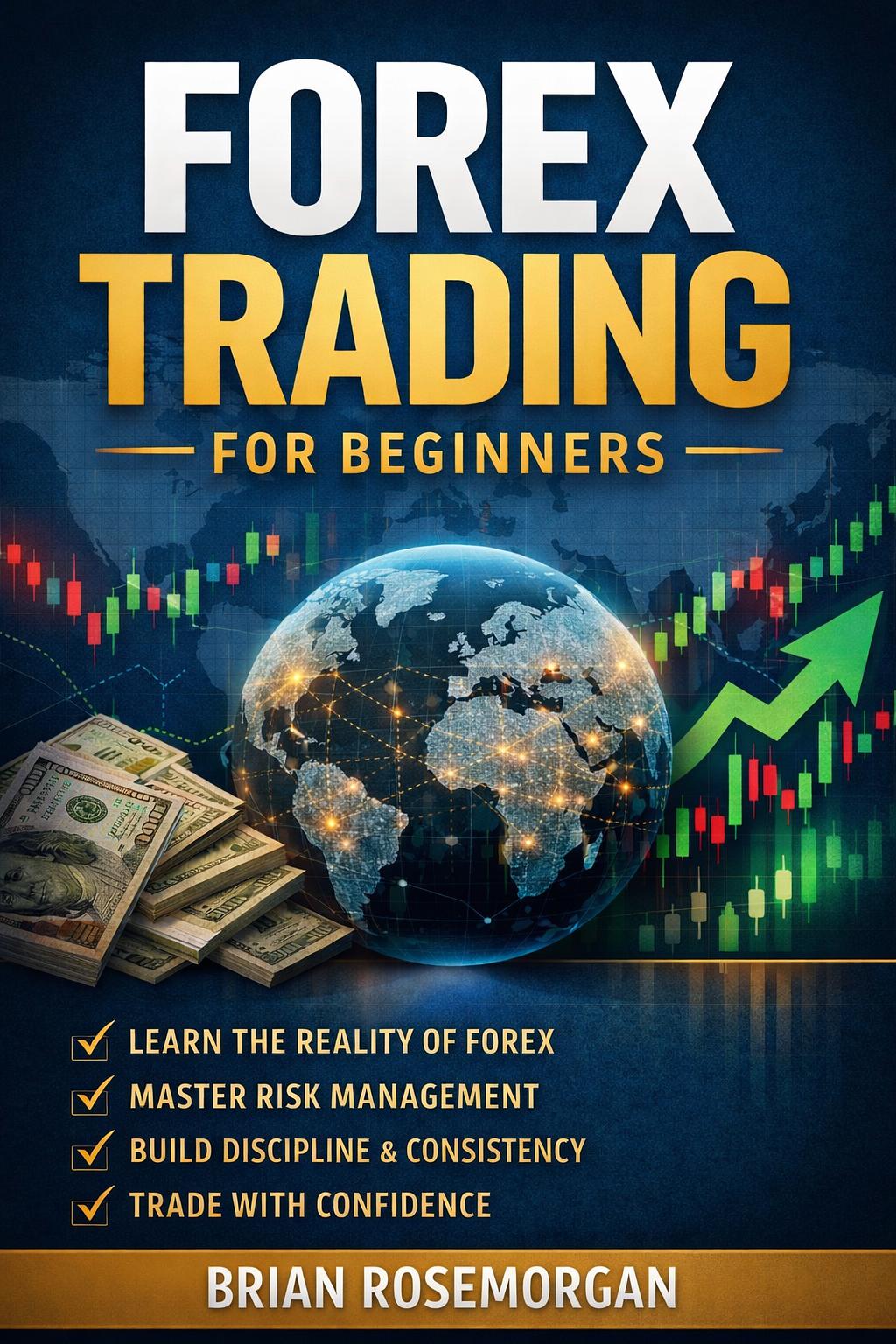
If you’ve enjoyed this free Academy, my book brings everything together in one structured beginner-friendly guide. It’s the perfect companion to the lessons you’ll complete here on TryBuying.
Section Complete
Disclaimer: Forex trading and CFDs involve significant risk and may not be suitable for every investor. The information provided on this website is for educational purposes only and should not be considered financial, investment, or trading advice. Always verify that your broker is properly regulated before depositing funds, and practice on a demo account before trading with real money. Never risk money you cannot afford to lose. Past performance does not guarantee future results. Please read our full Risk Disclosure.