
updated august 2026

Brian Rosemorgan
Retired Professional Trader | 8+ Years Experience | South Africa
Questions?
Can I Teach Myself How to Trade Forex?
Yes, you can teach yourself how to trade forex. Many of the fundamentals can be learned independently through structured educational resources, books, trading guides, practice and a demo account. You do not need to pay for an expensive course or have a personal trading coach before you can begin learning.
The challenge is not finding information about forex; there is an enormous amount of it available. The challenge is deciding which information is reliable and putting it into a structured learning process. Online forex content can include useful education alongside aggressive marketing, trading signals, unrealistic profit claims and strategies that may not be suitable for beginners.
A sensible self-learning path is to start with the fundamentals. Learn what currency pairs are, how buy and sell prices work, what pips and spreads mean, how leverage and margin work, and how forex trades are opened and closed. Once these basics are understood, move on to risk management before concentrating heavily on trading strategies.
Risk management is particularly important because understanding how to enter a trade does not tell you how much money you should risk. Learn about position sizing, stop-losses, risk-reward ratios, drawdown and the dangers of excessive leverage before using real money.
After learning the basics, a demo account can provide an opportunity to practise placing and managing trades without putting real capital at risk. Use the demo period to practise following a trading plan rather than simply trying to produce the largest possible virtual profit.
It is also useful to concentrate on one straightforward approach at first. Trying to learn dozens of indicators, strategies and trading systems simultaneously can make it difficult to understand what is actually working and why. A trading journal can help you record your decisions and identify mistakes or recurring patterns.
Teaching yourself does not mean that you have to learn everything alone. You can compare information from reputable educational sources, ask experienced traders questions and use structured learning material while still making your own trading decisions.
Most importantly, learning forex and becoming consistently profitable are not the same thing. Understanding the terminology and mechanics of forex can be achieved through study, but developing the discipline and practical experience required to manage real-money risk takes time.
For a beginner, the safest progression is generally learn the fundamentals → learn risk management → practise on a demo account → develop and test a trading approach → only consider live trading when you understand the risks involved.
The goal of self-education should not be to find a shortcut to making money. It should be to understand the market well enough to make informed decisions and manage the possibility of losing money before committing real capital.
1. Start by Learning How Forex Trading Works
Before placing a trade, learn the basic language of forex. Understand currency pairs, pips, spreads, lot sizes, leverage, margin, buy and sell orders and stop-loss orders. You do not need to know everything immediately. Build your knowledge gradually until you understand exactly what happens when you open and close a position.
2. Use a Structured Learning Path
One of the biggest problems with teaching yourself is jumping between unrelated information. Instead, follow a logical sequence. Learn forex fundamentals first, followed by risk management, technical analysis, trading psychology, broker safety and trading strategies. A structured course helps prevent important subjects from being skipped.
3. Practise on a Demo Account
A demo account allows you to practise trading without immediately risking real money. Use this stage to learn the trading platform, place different order types, set stop-losses, calculate position sizes and experience winning and losing trades. Treat your demo account seriously and use it to develop good habits.
4. Develop One Simple Trading Strategy
You do not need ten indicators or dozens of trading strategies. Choose one simple approach that you understand and practise it repeatedly. Your strategy should have clear entry conditions, exit rules and risk limits. Test the strategy over a meaningful number of demo trades and record the results before making major changes.
5. Learn to Control Risk and Emotions
Knowledge alone does not make a successful trader. Risk management and emotional discipline are equally important. Avoid risking large amounts on individual trades, never chase losses and do not increase your position simply because you feel confident. Your first objective should be protecting your trading capital and staying in the game.
💡 Brian’s Expert Advice
When I first started trading, I made many of the mistakes that beginners make today. I tried different strategies, traded too often and learned some lessons by losing real money. Looking back, I would have been much better off if I had followed a simple learning process and spent more time practising before risking serious capital.
My advice is simple: do not rush to become a live trader. Learn the basics, practise on demo, choose one strategy, keep a trading journal and concentrate on risk management. Forex trading is a skill that takes time to develop. There is no prize for becoming a live trader quickly.
| Learning Stage | What You Need to Know | Actionable Takeaway |
|---|---|---|
| Forex Basics | Understand currency pairs, pips, spreads, lots, leverage, margin and basic orders. | Learn the terminology before risking real money. |
| Demo Trading | Practise using virtual funds while learning how the trading platform works. | Treat demo trading like real trading and record your results. |
| Risk Management | Every trade should have a defined level of risk before it is opened. | Protect your account before thinking about profits. |
Frequently Asked Questions
1. Can I teach myself how to trade forex?
Yes. You can learn the fundamentals of forex trading independently using quality educational resources, structured courses and practical demo trading. However, teaching yourself requires discipline because there is a huge amount of conflicting information online. Focus on learning the basics, risk management and one simple strategy before moving towards live trading.
2. How long does it take to learn forex trading?
There is no fixed period because everyone learns at a different pace. You can learn the basic mechanics relatively quickly, but developing consistent trading habits takes much longer. Treat forex as a skill that requires practice. Spend time studying, testing and reviewing your trades rather than trying to become profitable within a few weeks.
3. What should I learn first when teaching myself forex?
Start with the fundamentals. Learn what currency pairs are, how prices move, what pips and spreads mean, how lot sizes work and how leverage affects positions. Once you understand these basics, move on to charts, technical analysis, risk management and trading psychology. This creates a much stronger foundation for later strategy development.
4. Should I use a demo account before trading forex with real money?
Yes. A demo account gives beginners an opportunity to practise without immediately risking real capital. Use it to learn order types, stop-loss placement, position sizing and the trading platform. Demo trading cannot perfectly reproduce the emotions of real trading, but it is an important first step before considering a live account.
5. What is the best forex strategy for a beginner?
There is no single strategy that is best for everyone. Beginners should generally favour simple, rules-based approaches that are easy to understand and test. A strategy should clearly define when to enter, when to exit and how much to risk. Choose one approach and practise it rather than constantly changing strategies.
6. How much money should a beginner risk in forex?
Beginners should keep financial risk very small while learning. A commonly used approach is to risk no more than 1% of the trading account on an individual trade. The exact risk level is a personal decision, but the important principle is to avoid risking amounts that could seriously damage your account after a normal series of losing trades.
7. Do I need expensive forex courses to learn trading?
No. There are many free educational resources available. Paying for a course does not automatically make someone a better trader. Before spending money on education, make sure the material provides clear, practical information rather than promises of guaranteed profits. A structured free learning path combined with careful demo practice can provide a strong starting point.
8. Should I learn technical analysis or fundamental analysis first?
Beginners can start with basic technical analysis because charts provide a practical way to study price behaviour and develop trading rules. However, understanding major economic events is also important because news can cause significant market movements. Over time, learning how technical and fundamental factors interact can improve your overall market awareness.
9. When should I start trading forex with real money?
There is no guaranteed point at which someone is ready for live trading. Before considering it, you should understand the risks, have a tested trading plan, know your position size and risk limits, and have substantial demo experience. If you eventually trade live, start with an amount you can genuinely afford to lose.
🛠 Brokers to Consider for Demo Trading
If you are teaching yourself forex trading, I recommend starting with a demo account rather than rushing into live trading. When comparing brokers, look beyond advertised spreads and consider regulation, commissions, execution, platform availability, withdrawal conditions and customer support.
The brokers below are included because they offer demo-trading options. This section contains affiliate links, so I may receive a commission if you open an account through one of the links. This does not mean that either broker is suitable for every trader. Always research the broker yourself and verify its current regulatory status and trading conditions before opening an account.
XM
✔ Demo account available
✔ MT4 & MT5
✔ Multiple account options
✔ Educational resources
An option to investigate if you want to practise trading on demo while comparing its costs, platforms and account conditions with other brokers.
AvaTrade
✔ Demo account available
✔ MT4 & MT5
✔ AvaTradeGO platform
✔ Educational resources
Another option to investigate if you want to compare platforms, trading conditions and educational resources while practising on demo.
Important:
Spreads, commissions, leverage and other trading conditions can change. Always check the broker’s current terms, costs, regulation and withdrawal requirements before opening an account.
📘 Forex Trading for Beginners
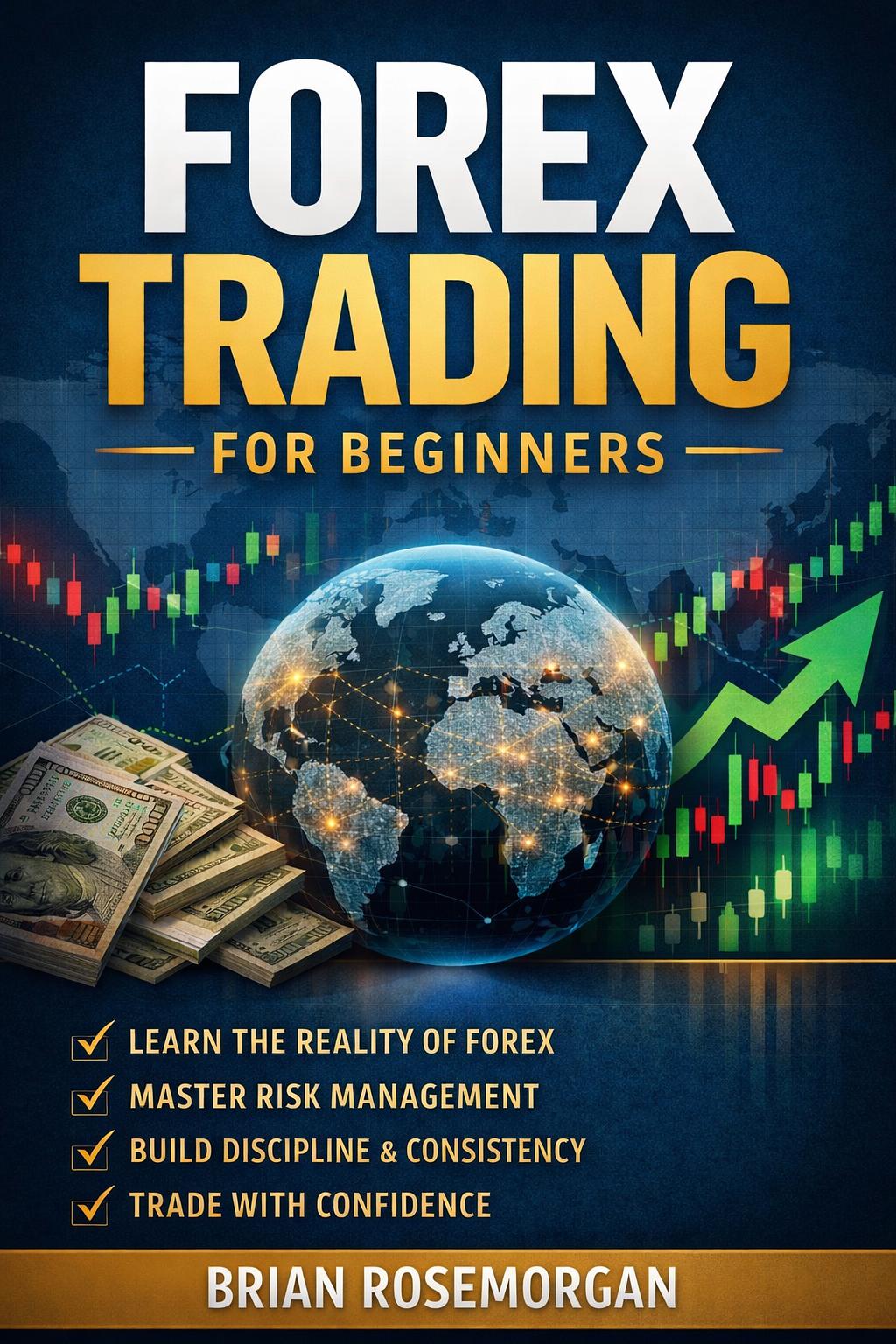
If you’ve enjoyed this free Academy, my book brings everything together in one structured beginner-friendly guide. It’s a useful reference to keep beside you as you continue learning and practising forex trading.
Disclaimer: Forex trading and CFDs involve significant risk and may not be suitable for every investor. The information provided on this website is for educational purposes only and should not be considered financial, investment, or trading advice. Always verify that your broker is properly regulated before depositing funds, and practice on a demo account before trading with real money. Never risk money you cannot afford to lose. Past performance does not guarantee future results. Please read our full Risk Disclosure