updated august 2026
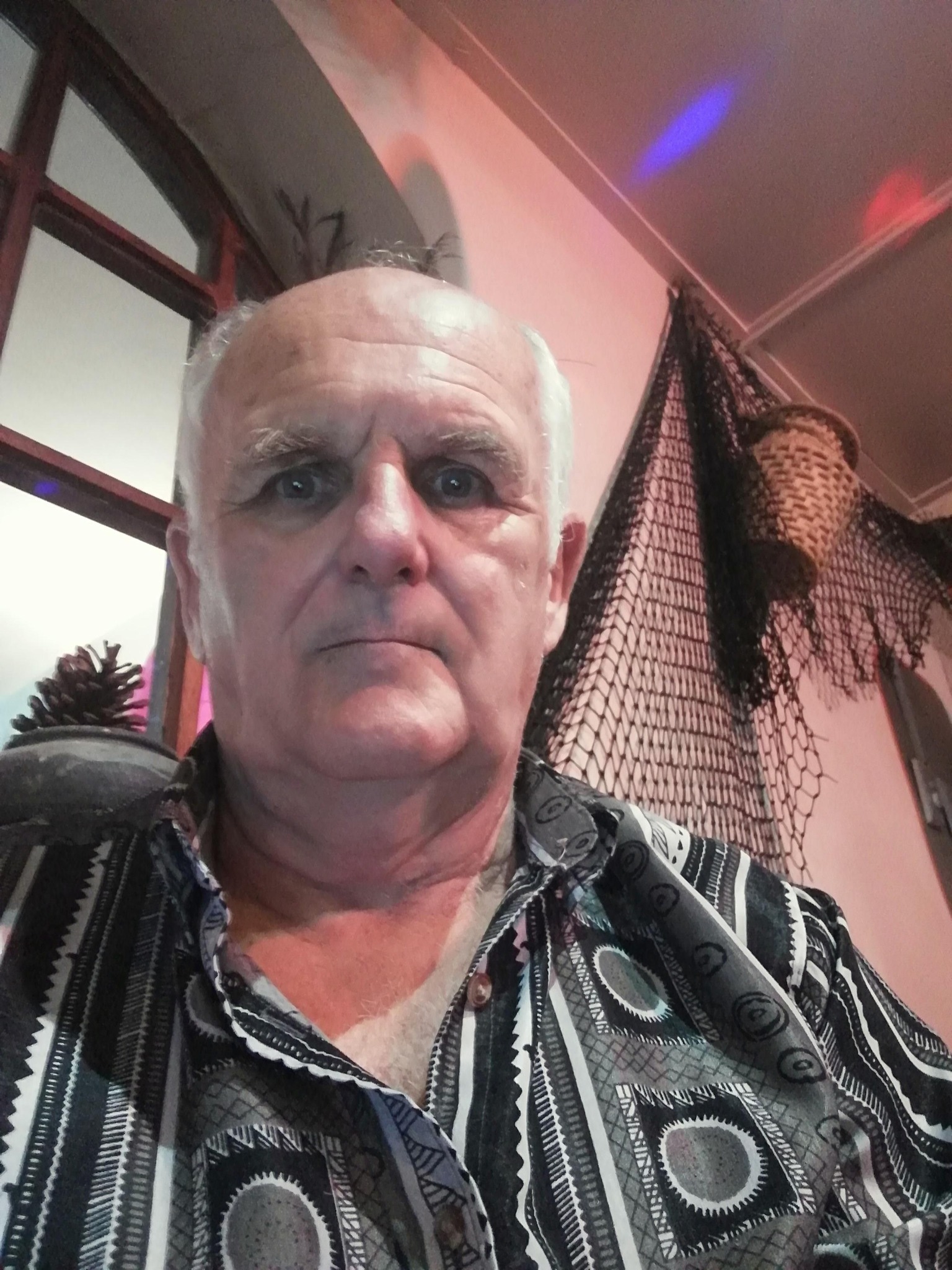
Brian Rosemorgan
Retired Professional Trader | 8+ Years Experience | South Africa
Questions?
Is Forex Trading Legal in South Africa?
1 Is Forex Trading Legal in South Africa?
1. The Key South African Regulatory Bodies
-
Financial Sector Conduct Authority (FSCA): Regulates local financial service providers and market conduct. Brokers offering retail derivatives like Contracts for Difference (CFDs) must hold a valid Financial Services Provider (FSP) licence or specific Over-the-Counter Derivative Provider (ODP) authorization.
-
South African Reserve Bank (SARB): Oversees exchange-control regulations. When moving large sums of capital across borders, rules and limits apply (such as utilizing your single discretionary allowance or foreign capital allowance through your bank).
-
South African Revenue Service (SARS): Collects taxes on trading gains. Active trading profits are treated as taxable income, meaning you are legally required to declare your earnings regardless of whether you use a local or offshore broker.
2. Legal Trading vs. Unlicensed Schemes (Crucial Warning)
-
Legal: Trading your own account using your own capital through a properly verified, regulated broker.
-
Illegal / Scam Territory: Handing your money over to an individual or “mentor” on WhatsApp, Telegram, or social media who promises guaranteed monthly returns or trades your account for a profit share without an official FSCA discretionary FSP licence.
3. Important Rules for Beginner Traders
-
Verify Your Broker: Always check a broker’s credentials directly on the public FSCA register before depositing money. If they operate through an offshore entity, understand which jurisdiction holds their license.
-
Keep Clean Records: Maintain a complete log of your deposits, withdrawals, trade histories, and conversions for tax season.
-
Prioritize Capital Protection: Regulation ensures market conduct and fund segregation, but it cannot protect you from poor risk management. Always stick to strict rules—like risking no more than 1% per trade—regardless of the leverage your broker provides.
2. What Does the FSCA Have to Do With Forex Trading?
The Financial Sector Conduct Authority, commonly known as the FSCA, oversees financial market conduct in South Africa. When choosing a broker or financial service provider, checking its regulatory status is an important step. Regulation does not remove trading risk, but it can provide important protections and standards for financial services.
3. Can South Africans Use Offshore Forex Brokers?
South African traders may encounter brokers that operate from outside South Africa. Offshore brokers can have different regulatory arrangements, protections and trading conditions. Before sending money overseas, a trader should understand who regulates the company, where client funds are held and what legal protections may apply.
4. Is Forex Trading Safe Just Because It Is Legal?
No. Legal and safe are not the same thing. Forex and CFD trading can involve substantial financial risk, and traders can lose money. A broker can also have different levels of regulation and protection. Always investigate a broker carefully rather than assuming that an online forex advertisement means the company is trustworthy.
5. What Should South African Beginners Check Before Trading?
Before opening an account, check the broker’s regulatory status, trading conditions, fees, withdrawal rules and available customer support. Never rush because of promises of guaranteed profits or pressure to deposit money. Starting with a demo account can also help a beginner learn how the platform works without immediately risking real money.
💡 Brian’s Expert Advice
When I first started trading, I was more interested in finding a broker and getting into the market than I was in understanding the rules surrounding forex. Looking back, I would have done things differently. Before depositing any money, take time to check the broker, understand the risks and learn how the trading account works. There is no need to rush.
| Key Feature | What You Need to Know | Actionable Takeaway |
|---|---|---|
| Legal Trading | Forex trading is legal in South Africa, but trading involves significant financial risk. | Learn the risks before putting real money into a trading account. |
| Broker Regulation | The FSCA regulates financial-sector conduct and certain financial service providers in South Africa. | Check the broker’s regulatory status before opening an account. |
| Trader Protection | Different brokers and jurisdictions can provide different levels of protection. | Understand where your broker operates and what protections apply. |
Frequently Asked Questions
1. Is Forex Trading Legal in South Africa?
Yes, forex trading is legal in South Africa. South Africans can trade the foreign exchange market, but they should understand the risks and choose financial service providers carefully. The fact that forex trading is legal does not mean that every broker is regulated, trustworthy or suitable for every trader.
2. Is Forex Trading Regulated in South Africa?
Financial-sector regulation in South Africa is overseen by authorities including the Financial Sector Conduct Authority (FSCA). Traders should check the regulatory status of a financial service provider before opening an account. Regulation is important, but it does not eliminate the financial risks associated with forex and CFD trading.
3. Can South Africans Trade Forex Online?
Yes. South African traders can access online forex trading platforms. However, beginners should understand how the broker operates before depositing funds. Check the company’s regulatory information, fees, withdrawal conditions and trading terms. It is also sensible to learn the platform using a demo account before considering live trading.
4. Can I Use an Offshore Forex Broker in South Africa?
South African traders may come across brokers based outside the country. Before using an offshore broker, understand which regulator oversees the company and what protections are available to you. Offshore status can mean different rules and protections, so do not choose a broker simply because it advertises high leverage or bonuses.
5. How Can I Check if a Forex Broker Is Regulated?
Start by identifying the exact legal name of the company and checking the relevant regulator’s official records. Do not rely only on a broker’s website or an advertisement claiming that it is regulated. Also check that the regulatory information actually relates to the company you are planning to use.
6. Is Forex Trading Safe for Beginners in South Africa?
Forex trading carries significant risk and beginners can lose money. Being legal or regulated does not guarantee that you will make a profit. New traders should first learn how the market works, practise on a demo account and understand risk management before considering whether live trading is appropriate for them.
7. Do South African Forex Traders Need a Broker?
Most retail traders use a forex broker to access the market and trading platform. The broker provides the account and infrastructure used to place trades. Because the broker handles your trading account and money, choosing a reputable and properly regulated provider is an important decision that should not be rushed.
8. Can a Forex Broker Guarantee Profits in South Africa?
No legitimate trading method can guarantee that every trader will make profits. Be extremely cautious of brokers, educators or advertisements promising guaranteed returns, easy money or risk-free trading. Forex trading involves uncertainty and the possibility of losing money. Promises of guaranteed profits should always be treated as a major warning sign.
9. Should I Start Forex Trading With a Demo Account?
For a beginner, a demo account can be a useful way to learn how a trading platform works without immediately risking real money. It also gives you an opportunity to practise a strategy and learn about order execution. However, demo trading cannot completely reproduce the emotional pressure of risking real money.
🛠️ Brokers to Consider for Demo Trading
If you are learning forex risk management, I recommend starting with a demo account rather than rushing into live trading. When comparing brokers, look beyond advertised spreads and consider regulation, commissions, execution, platform availability, withdrawal conditions and customer support.
The brokers below are included because they offer demo-trading options. This section contains affiliate links, so I may receive a commission if you open an account through one of the links. This does not mean that either broker is suitable for every trader. Always research the broker yourself and verify its current regulatory status and trading conditions before opening an account.
XM
✔️ Demo account available
✔️ MT4 & MT5
✔️ Multiple account options
✔️ Educational resources
An option to investigate if you want to practise trading on demo while comparing its costs, platforms and account conditions with other brokers.
Open Free Demo →
AvaTrade
✔️ Demo account available
✔️ MT4 & MT5
✔️ AvaTradeGO platform
✔️ Educational resources
Another option to investigate if you want to compare platforms, trading conditions and educational resources while practising on demo.
Open Free Demo →
Important: Spreads, commissions, leverage and other trading conditions can change. Always check the broker’s current terms, costs, regulation and withdrawal requirements before opening an account.
📘 Forex Trading for Beginners
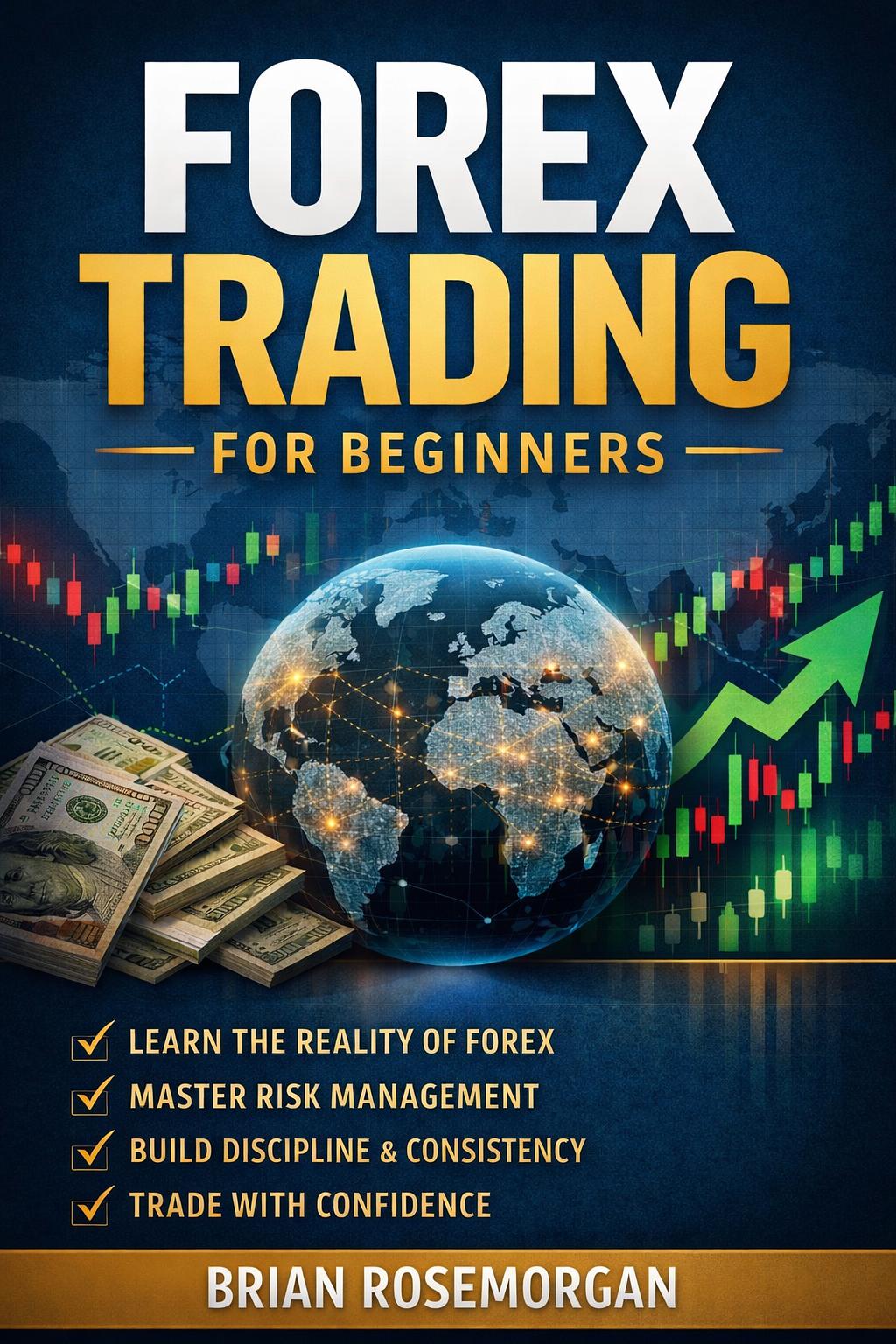
If you’ve enjoyed this free Academy, my book brings everything together in one structured beginner-friendly guide. It’s the perfect companion to the lessons you’ll complete here on TryBuying.
return to your lesson
Disclaimer: Forex trading and CFDs involve significant risk and may not be suitable for every investor. The information provided on this website is for educational purposes only and should not be considered financial, investment, or trading advice. Always verify that your broker is properly regulated before depositing funds, and practice on a demo account before trading with real money. Never risk money you cannot afford to lose. Past performance does not guarantee future results. Please read our full Risk Disclosure
relevent schama