
updated august 2026

Brian Rosemorgan
Retired Professional Trader | 8+ Years Experience | South Africa
Questions?
Creating a Personal Forex Trading Journal: What Metrics Actually Matter
Professional forex trading is a data-driven business, yet most beginners rely on memory and emotion rather than concrete performance analytics. Without a structured trading journal, you cannot identify structural leaks in your strategy, measure your true edge, or protect your capital from recurring behavioral mistakes.
A proper trading log goes far beyond simply recording whether a trade won or lost. It tracks critical variables like risk-to-reward ratios, pre-market emotional states, execution timing, and drawdown phases, giving you an objective mirror to evaluate your execution discipline over hundreds of live or demo sessions.
Throughout this lesson, you will learn how to build a personalized trading journal from scratch, identify the exact statistical metrics that dictate long-term consistency, and implement a weekly review routine that transforms raw trading data into actionable performance improvements.
1. Why Every Serious Trader Needs a Journal
Memory is notoriously biased, leading traders to remember big wins while forgetting painful losses. A structured trading journal removes emotional blind spots by recording every entry, exit, and setup detail objectively. It serves as your primary tool for accountability and continuous professional growth.
2. Tracking Win Rate vs. Risk-Reward Ratio
A high win rate means nothing if your losing trades wipe out your gains. Tracking your average risk-to-reward ratio alongside your win percentage reveals your mathematical expectation per trade. Mastering this balance ensures your trading strategy remains profitable over the long run.
3. Documenting Emotional States and Psychology
Fear, greed, and impatience sabotage more accounts than poor market analysis. Recording your emotional state before and during a trade helps you spot behavioral triggers. By identifying when revenge trading or FOMO creeps in, you can establish strict rules to prevent costly mistakes.
4. Reviewing Drawdowns and Losing Streaks
Every trader faces inevitable losing streaks. Your journal allows you to analyze drawdowns objectively by checking if losses stemmed from bad market conditions or rule violations. Reviewing these difficult patches helps you adjust position sizes and protect your core capital effectively.
5. Refining Your Edge Through Weekly Audits
Collecting data is useless if you never analyze it. Conducting a weekly performance audit lets you isolate your most profitable setups, currency pairs, and trading sessions. Cutting out underperforming patterns sharpens your strategy and builds genuine market confidence.
Brian’s Expert Advice
During my eight years of live trading, I found that my journal was my most valuable asset. When I stopped guessing why my account was flat and started analyzing my logged data, I realized my biggest losses always happened when I ignored my risk rules after a winning morning session. Logging your mistakes is the fastest path to mastery.
| Key Feature | What You Need to Know | Actionable Takeaway |
|---|---|---|
| Expectancy Math | Win rate alone cannot determine if a trading system is profitable. | Always calculate your net expectancy per trade using R-multiples. |
| Behavioral Logging | Emotional discipline directly dictates long-term trading survival. | Note your mood and stress levels before executing any position. |
| Weekly Auditing | Reviewing data weekly prevents bad habits from compounding. | Set aside one hour every weekend to audit your open and closed trades. |
Frequently Asked Questions
1. What is a forex trading journal?
A forex trading journal is a detailed log where traders record every aspect of their trades, including entry and exit prices, lot sizes, strategy rules, emotional states, and performance metrics. It provides an objective record used to evaluate and improve future trading decisions.
2. Why is keeping a trading journal important?
Keeping a trading journal is important because human memory is selective and emotional. A journal provides cold, hard data on your performance, helping you eliminate unprofitable habits, track risk management compliance, and refine your overall trading edge.
3. What metrics should I track in my forex journal?
Essential metrics to track include win rate, average risk-to-reward ratio, profit factor, maximum drawdown, commission costs, setup type, time of day, and currency pairs traded. Monitoring these variables gives you a complete picture of your system’s overall health.
4. How do I calculate my risk-reward ratio?
You calculate your risk-reward ratio by measuring the distance in pips from your entry price to your stop loss (risk) compared to the distance from your entry to your target price (reward). Maintaining a favorable ratio ensures winning trades outweigh losing ones.
5. Should I log losing trades and mistakes?
You must log every losing trade and execution mistake. Analyzing your errors is the most effective way to identify recurring behavioral traps, structural strategy flaws, and emotional discipline breakdowns before they cause severe account damage.
6. How often should I review my trading journal?
You should perform a quick review after every trading session and a comprehensive audit at the end of each week. Regular reviews keep your mind focused on discipline and allow you to make timely adjustments to your risk parameters.
7. Can I use Excel or Notion for a trading journal?
You can use Microsoft Excel, Google Sheets, Notion, or specialized software like Edgewonk to build your trading journal. The platform matters less than your consistency in logging every single trade immediately after execution without skipping details.
8. How does journaling improve trading psychology?
Journaling improves trading psychology by introducing objective data into emotionally charged situations. When you see written proof that impulsive entries or revenge trading consistently lose money, your brain naturally adapts to value disciplined execution over gambling.
9. What is a trading edge audit?
A trading edge audit is a systematic evaluation of your logged data to determine which specific market conditions, setups, and currency pairs yield the highest statistical profitability. It allows you to focus your capital only on high-probability opportunities.
Brokers to Consider for Demo Trading
If you are learning forex risk management, I recommend starting with a demo account rather than rushing into live trading. When comparing brokers, look beyond advertised spreads and consider regulation, commissions, execution, platform availability, withdrawal conditions and customer support.
The brokers below are included because they offer demo-trading options. This section contains affiliate links, so I may receive a commission if you open an account through one of the links. This does not mean that either broker is suitable for every trader. Always research the broker yourself and verify its current regulatory status and trading conditions before opening an account.
XM
Demo account available
MT4 & MT5
Multiple account options
Educational resources
An option to investigate if you want to practise trading on demo while comparing its costs, platforms and account conditions with other brokers.
AvaTrade
Demo account available
MT4 & MT5
AvaTradeGO platform
Educational resources
Another option to investigate if you want to compare platforms, trading conditions and educational resources while practising on demo.
Important: Spreads, commissions, leverage and other trading conditions can change. Always check the broker’s current terms, costs, regulation and withdrawal requirements before opening an account.
Forex Trading for Beginners
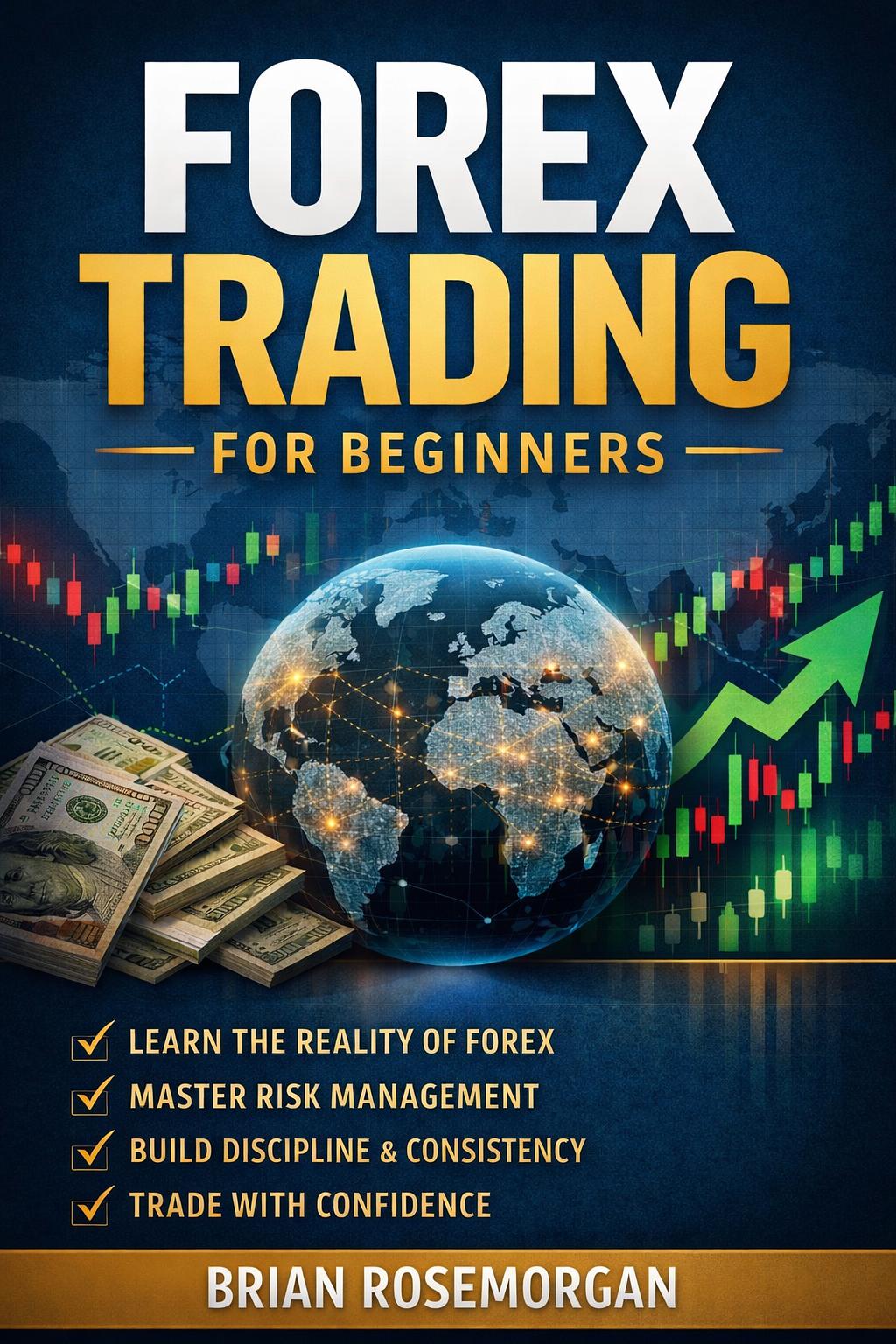
If you’ve enjoyed this free Academy, my book brings everything together in one structured beginner-friendly guide. It’s the perfect companion to the lessons you’ll complete here on TryBuying.
return to your lesson
Disclaimer: Forex trading and CFDs involve significant risk and may not be suitable for every investor. The information provided on this website is for educational purposes only and should not be considered financial, investment, or trading advice. Always verify that your broker is properly regulated before depositing funds, and practice on a demo account before trading with real money. Never risk money you cannot afford to lose. Past performance does not guarantee future results. Please read our full Risk Disclosure
relevent schama