
updated august 2026

Brian Rosemorgan
Retired Professional Trader | 8+ Years Experience | South Africa
Questions?
How to Read a Forex Economic Calendar (And Trade News Safely)
Navigating the global forex market requires more than just reading technical charts; it demands an understanding of macroeconomic data releases. An economic calendar maps out high-impact events like central bank rate decisions, inflation reports, and employment figures that drive massive currency fluctuations within seconds.
When major financial reports are published, market liquidity can dry up instantly while volatility spikes violently. For retail traders, ignoring these scheduled events or failing to recognize their potential threat to open positions is one of the fastest ways to suffer unnecessary slippage, widened spreads, or blown accounts.
Throughout this lesson, you will master how to filter high-impact news items, decode central bank terminology, and implement a safety-first routine to protect your capital from sudden market shocks without letting news-driven FOMO ruin your disciplined trading plan.
1. Identifying High-Impact Economic Events
Not all calendar announcements carry equal weight. High-impact events like the US Non-Farm Payrolls, Consumer Price Index, and Federal Reserve rate decisions cause immediate, volatile price swings. Learning to spot these red-folder releases on your calendar ensures you are never caught unprepared during active trading hours.
2. Understanding Forecasts vs. Actual Data
Markets trade heavily on market expectations rather than raw data alone. When an actual reported economic figure deviates significantly from consensus analyst forecasts, currency pairs experience sharp directional breakouts. Master how this psychological gap between expectations and reality dictates short-term price velocity.
3. Pre-News Risk Management and Exposure Rules
Protecting capital around major data releases requires strict positioning rules. Professional traders frequently flatten open trades or widen stop-loss buffers before high-risk releases. Implementing a strict pre-news checklist stops erratic slippage from destroying your hard-earned risk-to-reward ratios.
4. Navigating Sudden Spread Widening During Releases
Liquidity providers pull back during high-impact news announcements, causing spreads to expand exponentially in fractions of a second. Understanding how this artificial expansion triggers pending orders prematurely helps you avoid trading traps built into volatile news windows.
5. Developing a Post-News Patience Protocol
The immediate reaction to a news release is frequently a false breakout designed to trap impatient retail traders. Waiting for initial price spikes to settle, structural support to hold, and institutional momentum to clarify preserves your trading capital from emotional impulse entries.
Brian’s Expert Advice
In my eight years of live trading, I learned the hard way that trying to predict the exact direction of a news candle is nothing more than expensive gambling. Amateurs love chasing high-impact NFP spikes, while disciplined professionals step aside, protect their capital, and wait for the market dust to settle before looking for clean, structural technical setups.
| Key Feature | What You Need to Know | Actionable Takeaway |
|---|---|---|
| Event Impact Level | High-impact news creates severe slippage and rapid spread expansion. | Always filter your calendar for high-tier red events daily. |
| Consensus vs Actual | Price reacts to the surprise factor, not the headline number itself. | Compare actual data against analyst forecasts instantly. |
| News Trading Discipline | Chasing volatile candles destroys strict 1% risk management models. | Stay flat or sit out 15 minutes before and after major releases. |
Frequently Asked Questions
1. What is an economic calendar in forex trading?
An economic calendar is a schedule tracking global macroeconomic releases, interest rate decisions, and government reports. It highlights exact publication times, previous data points, analyst forecasts, and volatility impact ratings to help traders anticipate market-moving events.
2. Which forex news events have the highest impact?
The highest impact events include central bank interest rate announcements, GDP growth figures, employment metrics like the US Non-Farm Payrolls, and inflation reports such as the Consumer Price Index. These releases regularly trigger massive liquidity shifts and sudden price spikes.
3. How do I read economic calendar impact levels?
Most economic calendars use color-coded flags or symbols—typically red, orange, and yellow—to denote volatility potential. Red signifies high-impact events capable of causing severe price movement, while yellow indicates low impact with minimal market disruption.
4. Should beginners trade during major economic news?
Beginners should avoid trading during major economic news releases. High volatility, erratic pricing, and extreme spread widening make risk management nearly impossible, turning news trading into a high-risk gamble rather than a systematic strategy.
5. What happens to spreads during high-impact news?
Spreads widen dramatically during high-impact news releases because institutional liquidity providers temporarily withdraw from the market or quote wider prices to protect against risk. This increases your transaction costs and can trigger stop losses prematurely.
6. How do interest rate decisions affect currency values?
Interest rate decisions directly influence currency strength by dictating the yield return on holding a specific fiat currency. Higher-than-expected rate hikes attract foreign capital, strengthening the currency, while unexpected cuts lead to depreciation.
7. What is the difference between forecast and actual data?
Forecast data represents the consensus prediction compiled by market analysts prior to a report’s release. Actual data is the official reported figure. Markets react aggressively when the actual data surprises investors by missing or beating consensus expectations.
8. How can I protect open trades from news volatility?
You can protect open trades by closing positions prior to high-impact releases, tightening stop losses safely, or reducing your overall lot size. Maintaining strict risk parameters ensures a sudden news shock cannot wipe out your account balance.
9. Where is the best place to find a free economic calendar?
Reliable economic calendars are available on major financial portals like Investing.com, Myfxbook, and most regulated broker platforms. Ensure your calendar matches your local time zone to accurately time market sessions and data releases.
Brokers to Consider for Demo Trading
If you are learning forex risk management, I recommend starting with a demo account rather than rushing into live trading. When comparing brokers, look beyond advertised spreads and consider regulation, commissions, execution, platform availability, withdrawal conditions and customer support.
The brokers below are included because they offer demo-trading options. This section contains affiliate links, so I may receive a commission if you open an account through one of the links. This does not mean that either broker is suitable for every trader. Always research the broker yourself and verify its current regulatory status and trading conditions before opening an account.
XM
Demo account available
MT4 & MT5
Multiple account options
Educational resources
An option to investigate if you want to practise trading on demo while comparing its costs, platforms and account conditions with other brokers.
AvaTrade
Demo account available
MT4 & MT5
AvaTradeGO platform
Educational resources
Another option to investigate if you want to compare platforms, trading conditions and educational resources while practising on demo.
Important: Spreads, commissions, leverage and other trading conditions can change. Always check the broker’s current terms, costs, regulation and withdrawal requirements before opening an account.
Forex Trading for Beginners
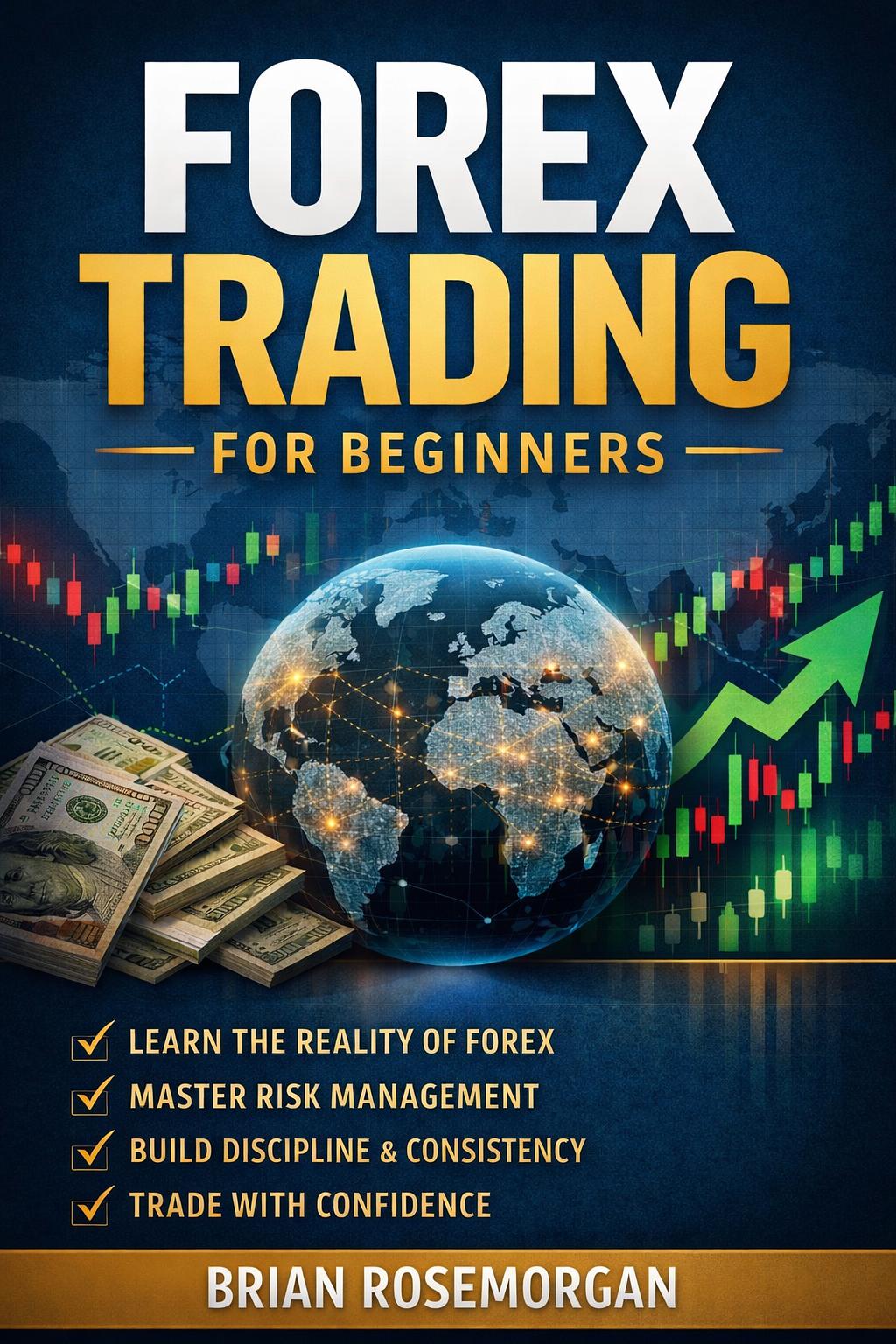
If you’ve enjoyed this free Academy, my book brings everything together in one structured beginner-friendly guide. It’s the perfect companion to the lessons you’ll complete here on TryBuying.
return to your lesson
Disclaimer: Forex trading and CFDs involve significant risk and may not be suitable for every investor. The information provided on this website is for educational purposes only and should not be considered financial, investment, or trading advice. Always verify that your broker is properly regulated before depositing funds, and practice on a demo account before trading with real money. Never risk money you cannot afford to lose. Past performance does not guarantee future results. Please read our full Risk Disclosure
relevent schama