
updated august 2026

Brian Rosemorgan
Retired Professional Trader | 8+ Years Experience | South Africa
Questions?
How Forex Leverage Works for Beginners
Entering the foreign exchange market as a beginner can feel overwhelming, especially when encountering financial terms like leverage. Simply put, leverage allows retail traders to control large positions in the global currency market using a relatively small amount of their own capital, opening up profit opportunities that would otherwise require massive accounts.
However, understanding how leverage actually functions beneath the surface is critical for survival. While brokers offer high borrowing ratios to amplify purchasing power, treating leverage as free money is the fastest way to suffer severe account drawdowns and wipe out your trading capital before you even learn proper technical analysis.
Throughout this guide, you will learn the core mechanics behind leverage ratios, how buying power scales relative to your account equity, and why professional traders consistently prioritize strict risk management over maximizing available leverage.
1. The Basic Definition of Forex Leverage
Leverage is essentially a facility provided by your broker that acts as a financial multiplier. Expressed as a ratio like 1:50 or 1:200, it enables you to open positions valued many times larger than your actual deposited cash, making currency trading accessible to individual retail participants.
2. How Brokers Provide Borrowed Capital
When you trade currency pairs, you aren’t exchanging full asset values outright; instead, your broker lends you the necessary purchasing power based on your account’s leverage setting. This automated borrowing mechanism allows you to trade standard lots even with a modest initial deposit.
3. The Illusion of Unlimited Purchasing Power
High leverage often creates a dangerous psychological trap for beginners. Just because your broker grants 1:500 leverage does not mean you should utilize maximum buying power on every trade. True consistency requires scaling your position size to fit your stop loss rather than your account limit.
4. Why Lower Leverage Protects Beginners
Using lower leverage naturally restricts your ability to open oversized, reckless positions. By keeping leverage conservative—such as 1:10 or 1:30—you build a protective buffer against sudden market volatility, ensuring that a single bad trade cannot wipe out your entire trading balance.
5. Shifting Focus from Leverage to Risk
Amateur traders focus entirely on how much leverage they can use to chase fast profits. Professional traders ignore available leverage completely, focusing instead on risking a fixed percentage—typically 1%—of their total account equity per trade to guarantee long-term market survival.
Brian’s Expert Advice
During my eight years of live trading, I watched countless beginners blow their accounts simply because they misunderstood leverage. They treated high leverage like a lottery ticket instead of a borrowing tool. True trading longevity comes from keeping your position sizes small and respecting your risk rules.
| Key Feature | What You Need to Know | Actionable Takeaway |
|---|---|---|
| Leverage Multiplier | Amplifies market exposure relative to your deposited account equity. | Choose conservative leverage settings to limit massive position risk. |
| Beginner Mindset | High leverage tempts traders into oversized lots and fast gambling. | Practice on demo accounts to understand how exposure affects equity. |
| Capital Protection | Uncontrolled leverage accelerates drawdowns during erratic price spikes. | Always calculate risk per trade based on pips and lot size, not buying power. |
Frequently Asked Questions
1. What is leverage in forex trading for beginners?
Leverage is a broker-provided facility that allows beginners to control large currency positions with a small amount of starting capital. It multiplies your purchasing power, enabling you to participate in global markets without needing thousands of dollars upfront.
2. How does a 1:100 leverage ratio work?
A 1:100 leverage ratio means that for every dollar of your own capital, your broker allows you to control $100 worth of currency. For example, a $1,000 deposit lets you open a position valued at up to $100,000 in the live market.
3. Why is high leverage considered dangerous?
High leverage is dangerous because it amplifies losses just as easily as it amplifies gains. A minor adverse price movement against an overly leveraged position can instantly wipe out your entire account balance and trigger a broker margin call.
4. Do I have to use the maximum leverage offered by my broker?
You do not have to use maximum leverage. Most regulated brokers allow you to select your preferred leverage ratio during account opening or request adjustments later, helping you maintain a safer, more conservative trading environment.
5. What is the difference between margin and leverage?
Leverage is the ratio multiplier (such as 1:50) determining your borrowing capacity, while margin is the actual cash collateral locked up in your account by the broker to keep your leveraged positions open against market fluctuations.
6. How does leverage affect position sizing?
Higher leverage lowers the initial margin requirement per lot, making it easier to open large positions. However, opening large lots without factoring in stop loss distances increases your monetary risk per pip exponentially.
7. Is leverage suitable for absolute beginners?
Leverage is suitable for beginners only when used conservatively alongside strict risk management rules. Novices should stick to demo accounts and low leverage ratios to learn market mechanics without risking vital capital.
8. Can I trade forex with zero leverage?
You can trade forex with zero leverage by using a 1:1 ratio, meaning you fund 100% of the trade value yourself. While this eliminates margin risk, it requires substantial capital to trade standard or mini contract sizes effectively.
9. What is the best leverage ratio to start with?
A conservative leverage ratio between 1:10 and 1:30 is ideal for beginners. These lower ratios act as a natural safeguard against opening dangerously large positions while you master technical analysis and risk control.
Brokers to Consider for Demo Trading
If you are learning forex risk management, I recommend starting with a demo account rather than rushing into live trading. When comparing brokers, look beyond advertised spreads and consider regulation, commissions, execution, platform availability, withdrawal conditions and customer support.
The brokers below are included because they offer demo-trading options. This section contains affiliate links, so I may receive a commission if you open an account through one of the links. This does not mean that either broker is suitable for every trader. Always research the broker yourself and verify its current regulatory status and trading conditions before opening an account.
XM
Demo account available
MT4 & MT5
Multiple account options
Educational resources
An option to investigate if you want to practise trading on demo while comparing its costs, platforms and account conditions with other brokers.
AvaTrade
Demo account available
MT4 & MT5
AvaTradeGO platform
Educational resources
Another option to investigate if you want to compare platforms, trading conditions and educational resources while practising on demo.
Important: Spreads, commissions, leverage and other trading conditions can change. Always check the broker’s current terms, costs, regulation and withdrawal requirements before opening an account.
Forex Trading for Beginners
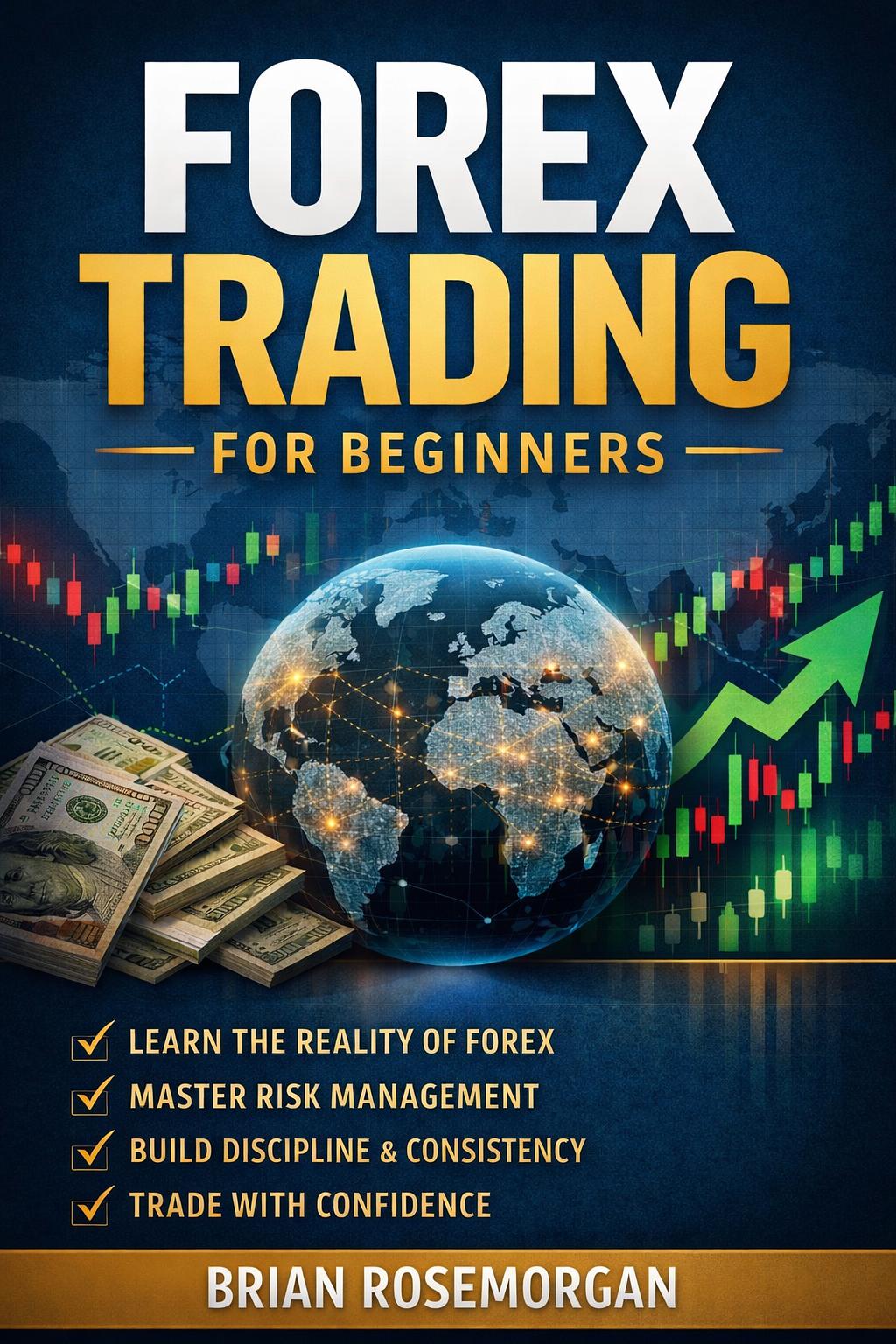
If you’ve enjoyed this free Academy, my book brings everything together in one structured beginner-friendly guide. It’s the perfect companion to the lessons you’ll complete here on TryBuying.
return to your lesson
Disclaimer: Forex trading and CFDs involve significant risk and may not be suitable for every investor. The information provided on this website is for educational purposes only and should not be considered financial, investment, or trading advice. Always verify that your broker is properly regulated before depositing funds, and practice on a demo account before trading with real money. Never risk money you cannot afford to lose. Past performance does not guarantee future results. Please read our full Risk Disclosure
relevent schama