
updated august 2026

Brian Rosemorgan
Retired Professional Trader | 8+ Years Experience | South Africa
Questions?
How to Deal With FOMO in Trading: Overcoming Fear of Missing Out
The Fear of Missing Out, commonly known as FOMO, is a powerful psychological trap that causes forex traders to chase rapidly moving currency pairs without a valid technical setup. When you see a market surge or plummet, the intense urge to jump in late often overrides your rational risk management rules, turning disciplined planning into desperate speculation.
FOMO typically stems from impatience, unrealistic profit expectations, and constant exposure to hyped-up success claims on social media. Yielding to this emotional impulse usually results in entering trades at the worst possible prices—near major resistance or support levels—leaving you vulnerable to sudden market reversals and immediate drawdowns.
Mastering this guide will show you how to recognize FOMO triggers during volatile sessions like the London and New York overlaps. You will learn actionable rules to stay patient, accept that the forex market offers endless opportunities every single day, and protect your capital from impulsive chasing.
1. Identifying the Psychological Roots of FOMO
FOMO arises when psychological pressure and impatience distort your perception of market price action. Instead of waiting for a clean technical confirmation, your brain panics at the sight of a moving candle. Recognizing this emotional vulnerability is vital to maintaining discipline during active trading hours.
2. The Danger of Chasing Moving Currency Pairs
Jumping into a trade halfway through a massive price move means entering with poor risk-to-reward ratios and wide stop-losses. Chasing currency pairs ignores market mechanics, exposing your account to immediate pullbacks as early institutional participants begin taking their profits off the table.
3. Accepting That the Market Will Always Open Tomorrow
One of the most liberating realizations for a forex trader is that liquidity is perpetual. Missing a massive morning trend does not mean your career is over. The currency market operates 24 hours a day, five days a week, offering continuous setups for those who practice patience.
4. Sticking Strictly to Pre-Market Preparation
A structured pre-market routine acts as your strongest defense against FOMO. By identifying your key currency pairs, support levels, and entry triggers before charts open, you remove impromptu decision-making and ensure every trade executed aligns with your overarching trading plan.
5. Utilizing Rules to Bypass Impulsive Entries
Establish rigid mechanical rules that forbid entering any trade that has moved more than a specific distance from your initial indicator or trigger level. Rules remove willpower from the equation, ensuring that impulsive emotional urges cannot override your capital protection framework.
Brian’s Expert Advice
During my years trading live markets, some of my biggest unnecessary losses came from letting FOMO trick me into chasing a currency pair after missing the initial breakout. I would see a green candle flying and jump in at the top, only to watch the market reverse instantly. I had to train myself to treat missed trades as a victory of discipline rather than a failure. If a setup isn’t executed according to plan, let it go. There is always another trade around the corner.
| Key Feature | What You Need to Know | Actionable Takeaway |
|---|---|---|
| Price Chasing | Entering late guarantees poor risk-to-reward ratios and wide stops. | Wait for a pullback or skip the setup entirely. |
| Market Abundance | The forex market provides endless daily opportunities across major pairs. | Never feel pressured by a single missed move. |
| Plan Adherence | Pre-planned setups eliminate emotional reaction to live price spikes. | Trade only what your written rules permit. |
Frequently Asked Questions
1. What is FOMO in forex trading?
FOMO, or the Fear of Missing Out, is a psychological emotional state where a trader feels intense anxiety watching a currency pair move rapidly without them. This anxiety drives impulsive order placement, ignoring technical analysis and proper risk management parameters.
2. How can I stop dealing with FOMO in trading?
You can overcome FOMO by stepping away from charts during high-volatility spikes, strictly adhering to a pre-market trading plan, and accepting that missing a move is safer than entering a bad position with a poor risk-to-reward ratio.
3. Why do traders chase moving currency pairs?
Traders chase moving pairs due to greed, impatience, and the psychological pain of seeing others profit. This emotional reaction bypasses rational risk assessment, leading to late entries right before market trends exhaust themselves.
4. Does FOMO lead to account drawdowns?
Yes, FOMO is a primary driver of compounding account drawdowns. Entering late trades with wide stop-losses or oversized positions to make up for lost time severely damages account equity when the market inevitably corrects.
5. How does a trading plan prevent FOMO?
A comprehensive trading plan defines exact entry triggers, price levels, and asset pairs ahead of time. When live action unfolds, you look only for your designated setups, making it much easier to ignore unrelated market noise.
6. Are certain market sessions more prone to FOMO?
Yes, major market overlaps—such as the London and New York session overlap—exhibit high volatility and rapid price swings. These high-liquidity windows often trigger intense FOMO among inexperienced traders watching fast-moving charts.
7. How do professional traders view missed trades?
Professional traders view missed trades as standard occurrences rather than missed opportunities. They understand that capital preservation and strict discipline take precedence over capturing every single market fluctuation.
8. Can journaling help identify FOMO habits?
Keeping a detailed trading journal allows you to review your trade entries against your original plan. Spotting recurring notes where you entered a position impulsively helps you isolate and correct FOMO behavior over time.
9. Why is patience more valuable than speed in forex?
Patience ensures that every trade you take has a verified statistical edge and controlled risk. Speed without structure is simply gambling, which ultimately destroys trading capital and leads to long-term market failure.
Brokers to Consider for Demo Trading
If you are learning forex risk management, I recommend starting with a demo account rather than rushing into live trading. When comparing brokers, look beyond advertised spreads and consider regulation, commissions, execution, platform availability, withdrawal conditions and customer support.
The brokers below are included because they offer demo-trading options. This section contains affiliate links, so I may receive a commission if you open an account through one of the links. This does not mean that either broker is suitable for every trader. Always research the broker yourself and verify its current regulatory status and trading conditions before opening an account.
XM
Demo account available
MT4 & MT5
Multiple account options
Educational resources
An option to investigate if you want to practise trading on demo while comparing its costs, platforms and account conditions with other brokers.
AvaTrade
Demo account available
MT4 & MT5
AvaTradeGO platform
Educational resources
Another option to investigate if you want to compare platforms, trading conditions and educational resources while practising on demo.
Important: Spreads, commissions, leverage and other trading conditions can change. Always check the broker’s current terms, costs, regulation and withdrawal requirements before opening an account.
Forex Trading for Beginners
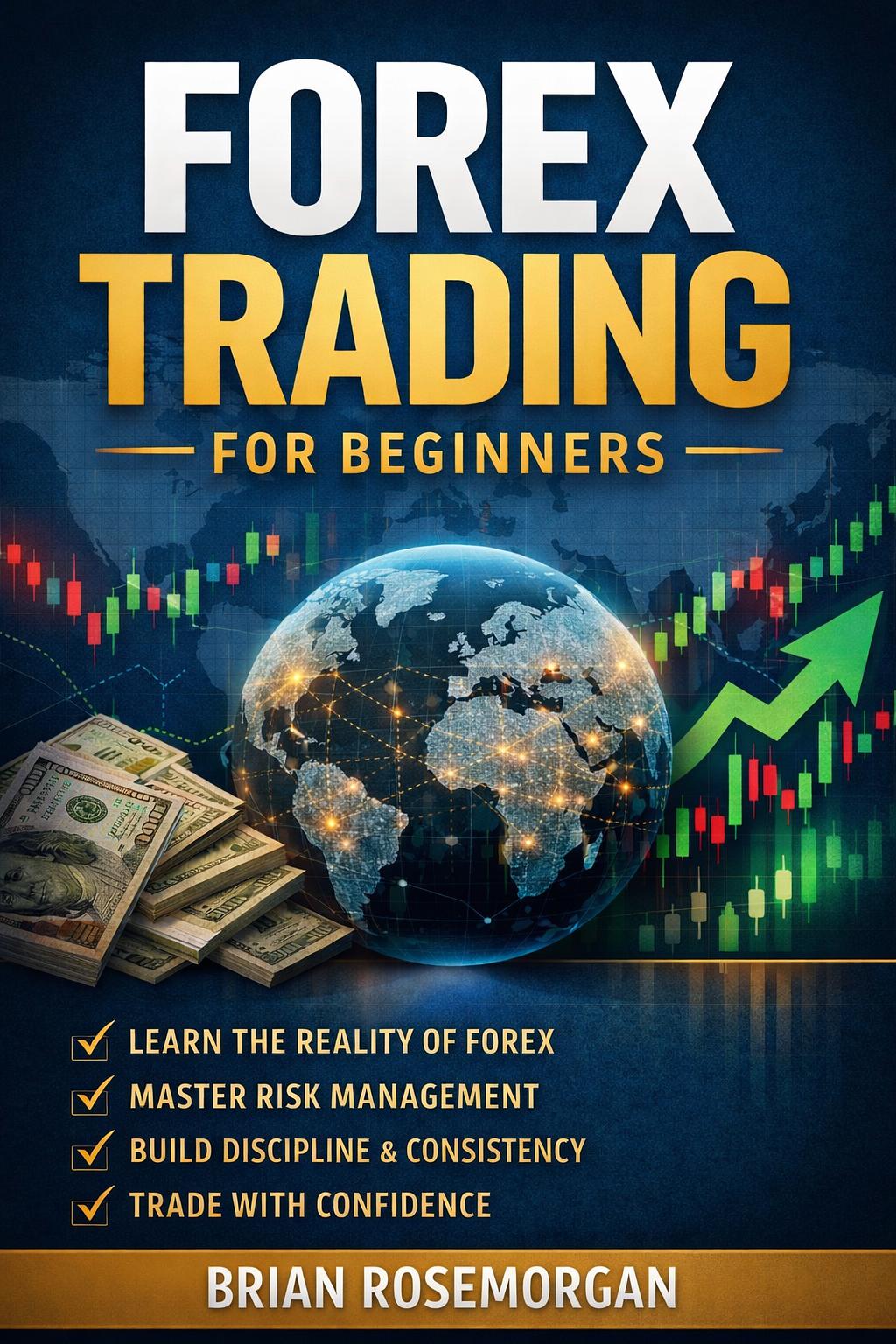
If you’ve enjoyed this free Academy, my book brings everything together in one structured beginner-friendly guide. It’s the perfect companion to the lessons you’ll complete here on TryBuying.
return to your lesson
Disclaimer: Forex trading and CFDs involve significant risk and may not be suitable for every investor. The information provided on this website is for educational purposes only and should not be considered financial, investment, or trading advice. Always verify that your broker is properly regulated before depositing funds, and practice on a demo account before trading with real money. Never risk money you cannot afford to lose. Past performance does not guarantee future results. Please read our full Risk Disclosure
relevent schama