
Updated August 2026

Brian Rosemorgan
Retired Professional Trader | 8+ Years Experience | South Africa
Questions?
Automated Trading & Forex Robots: What Beginners Need to Know
Automated trading uses computer programs, often called Expert Advisors or forex robots, to analyse markets and execute trades according to a predefined set of rules. Automation can remove some emotional decisions from trading, but it does not turn an unprofitable strategy into a profitable one.
Forex robots can be useful when a trading strategy has clear entry, exit and risk-management rules that can be tested systematically. However, market conditions change, and a system that performed well in historical testing may behave very differently in live trading. Execution costs, spreads, slippage and changing volatility can all affect results.
In this lesson, you will learn how automated trading works, where Expert Advisors can help, why backtesting has limitations, how over-optimisation can create misleading results, and why proper risk management remains essential even when a computer is executing your trades.
1. What Is Automated Forex Trading?
Automated forex trading uses software to follow predefined trading rules without requiring the trader to manually place every order. An Expert Advisor can monitor price movements, identify conditions specified by its programming and execute trades automatically. The quality of the automation depends entirely on the strategy and rules behind the software.
2. How Forex Robots Actually Work
A forex robot normally operates from a set of programmed instructions. These may include indicators, price levels, trading sessions, stop-loss rules and profit targets. When the programmed conditions occur, the software can open, manage or close a position. The computer follows the instructions—it does not understand the market in the way a human trader does.
3. Why Backtesting Can Be Misleading
Backtesting allows an automated strategy to be tested against historical market data. While useful, historical performance does not guarantee future results. A robot can be carefully optimised to fit past price data and then fail when market conditions change. Real trading also introduces spreads, slippage and execution differences that may not be fully represented in a backtest.
4. The Danger of Over-Optimising a Robot
Over-optimisation occurs when too many settings are adjusted to make a system perform exceptionally well on historical data. The resulting robot may simply be memorising the past rather than identifying a durable trading edge. A simpler strategy with sensible rules and testing across different market conditions is generally easier to understand and monitor.
5. Risk Management Still Comes First
Automation does not remove trading risk. A robot can open trades faster than a human, but it can also repeat a bad decision rapidly if its rules are flawed. Stop-losses, sensible position sizing, maximum drawdown limits and regular monitoring remain important. Never assume that an automated system can protect your capital by itself.
💡 Brian’s Expert Advice
During my years of trading, I experimented with automated trading and learned an important lesson: a trading robot is only as good as the strategy and risk controls behind it. A robot can execute instructions perfectly and still lose money consistently if those instructions are based on a poor strategy.
My advice to beginners is not to buy a robot simply because someone shows impressive historical profits. Understand exactly how the system trades, test it on a demo account, examine its drawdowns and avoid risking significant money until you have enough evidence that the strategy behaves sensibly in different market conditions.
| Key Feature | What You Need to Know | Actionable Takeaway |
|---|---|---|
| Automation | Software can automatically execute predefined trading rules. | Understand the strategy before allowing a robot to trade live. |
| Backtesting | Historical results show how a strategy performed in the past, not what it will necessarily achieve in the future. | Test across different market conditions and do not rely solely on historical profits. |
| Risk Management | Automated systems remain exposed to losses, drawdowns and changing market conditions. | Use sensible position sizing, stop-losses and maximum-risk limits. |
Frequently Asked Questions
1. What is an automated forex trading system?
An automated forex trading system is software programmed to follow specific trading rules and execute orders automatically. These rules can include indicators, entry conditions, stop-losses and profit targets. Automation reduces the need for manual order placement, but it does not guarantee profitable trading.
2. What is a forex Expert Advisor?
An Expert Advisor, commonly called an EA, is a program designed to automate trading tasks on compatible platforms such as MetaTrader. An EA can monitor market conditions and place or manage trades according to its programmed instructions. Its performance depends on the strategy, programming and risk controls used.
3. Are forex robots profitable?
Some automated systems may be profitable for periods of time, but no forex robot can guarantee consistent profits. Market conditions change, and a strategy that performs well during one period can struggle during another. Always evaluate risk, drawdown and live performance rather than focusing only on advertised returns.
4. Is automated forex trading safe for beginners?
Automated trading can involve significant risk for beginners because the software may execute trades repeatedly without the trader fully understanding what is happening. Beginners should first understand the underlying strategy and practise on a demo account before considering automated trading with real money.
5. What is backtesting in forex trading?
Backtesting involves applying a trading strategy to historical market data to see how it would have performed in the past. It can help identify weaknesses and understand historical drawdowns, but it cannot predict future results. Live trading conditions may differ because of spreads, slippage and changing market behaviour.
6. Can a forex robot lose money?
Yes. A forex robot can lose money just like a manually operated trading strategy. If its rules are unsuitable for current market conditions, the system may produce repeated losses. Technical problems, incorrect settings and excessive position sizes can also increase losses. Automation does not eliminate normal trading risks.
7. What is over-optimisation in automated trading?
Over-optimisation happens when a trading system is adjusted excessively to produce excellent historical results. This can make the system fit past data rather than identify a durable trading approach. Such systems may then perform poorly when exposed to new market conditions that were not present during development.
8. Should beginners use a forex robot on a live account?
Beginners should avoid rushing into live automated trading. A sensible approach is to understand the strategy, test the software on a demo account and evaluate its behaviour across different market conditions. Only risk money that you can afford to lose, and never assume automation makes a strategy safe.
9. Does a forex robot replace risk management?
No. Risk management remains essential whether trades are placed manually or automatically. A robot should operate with clearly defined position sizing, stop-loss and maximum-risk rules. Traders should also monitor drawdowns and system behaviour rather than assuming that software can protect an account from unexpected market conditions.
🛠 Brokers to Consider for Demo Trading
If you are learning automated trading, I recommend starting with a demo account rather than immediately using real money. When comparing brokers, look beyond advertised spreads and consider regulation, commissions, execution, platform availability, withdrawal conditions and customer support.
The brokers below are included because they offer demo-trading options. This section contains affiliate links, so I may receive a commission if you open an account through one of the links. This does not mean that either broker is suitable for every trader. Always research the broker yourself and verify its current regulatory status and trading conditions before opening an account.
XM
✔ Demo account available
✔ MT4 & MT5
✔ Multiple account options
✔ Educational resources
An option to investigate if you want to practise automated trading on demo while comparing its costs, platforms and account conditions.
AvaTrade
✔ Demo account available
✔ MT4 & MT5
✔ AvaTradeGO platform
✔ Educational resources
Another option to investigate if you want to compare platforms, trading conditions and educational resources while practising on demo.
Important: Spreads, commissions, leverage and other trading conditions can change. Always check the broker’s current terms, costs, regulation and withdrawal requirements before opening an account.
📘 Forex Trading for Beginners
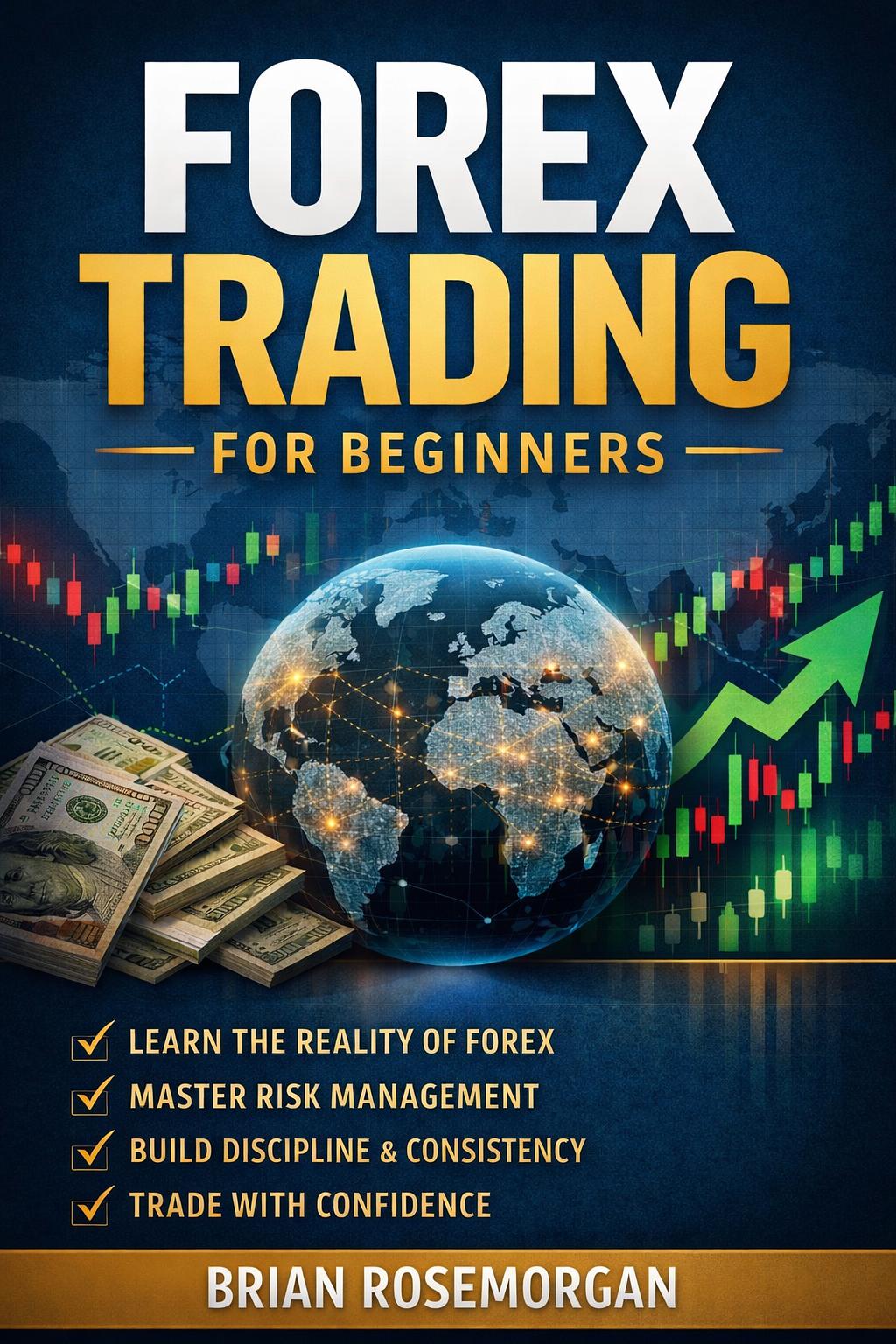
If you’ve enjoyed this free Academy, my book brings everything together in one structured beginner-friendly guide. It’s the perfect companion to the lessons you’ll complete here on TryBuying.
🎉 Lesson Complete
Congratulations! You have completed Automated Trading & Robots.
Click below to save your progress and return to the Academy.
Your progress will be saved automatically. Return to the Academy whenever you’re ready.
Disclaimer: Forex trading and CFDs involve significant risk and may not be suitable for every investor. The information provided on this website is for educational purposes only and should not be considered financial, investment, or trading advice. Always verify that your broker is properly regulated before depositing funds, and practice on a demo account before trading with real money. Never risk money you cannot afford to lose. Past performance does not guarantee future results. Please read our full Risk Disclosure.