
updated august 2026

Brian Rosemorgan
Retired Professional Trader | 8+ Years Experience | South Africa
Questions?
Is Forex Trading Like Gambling?
When I first started trading forex, one of the questions I asked myself was whether forex trading was really any different from gambling. After all, you put money on a trade, the market can move against you, and nobody can know exactly what price will do next. The important difference is how the decision is made.
Forex trading can become gambling when you enter trades without a plan, risk too much money, chase losses or simply guess which direction the market will move. Professional trading is different because decisions are based on a defined strategy, risk management, market analysis and consistent rules. Even then, every individual trade still carries uncertainty.
The goal of this guide is not to pretend that forex trading is easy or guaranteed to make money. Instead, you will learn the important difference between gambling and structured trading, why risk management matters, how your behaviour can turn trading into gambling, and what you can do to approach the forex market in a more disciplined way.
1. Why Forex Trading Can Look Like Gambling
Forex trading can look like gambling because traders risk money on an uncertain outcome. Nobody knows whether the next trade will win or lose. The important difference is that a trader can use analysis, position sizing and a tested strategy to manage uncertainty instead of simply placing trades based on luck or emotion.
2. When Forex Trading Becomes Gambling
Trading starts to resemble gambling when decisions are based on excitement, guesses or the hope of making money quickly. Continuously increasing your position after a loss, trading without a stop-loss, chasing losses and taking random trades are all behaviours that can turn a trading account into a gambling account.
3. The Importance of Having a Trading Strategy
A trading strategy gives you rules for deciding when to enter and exit a trade. It does not predict the future perfectly. Instead, a properly tested strategy gives you a consistent process for making decisions. This allows you to evaluate your results over many trades rather than judging your ability from one winning or losing trade.
4. Risk Management Separates Trading From Reckless Gambling
Risk management is one of the biggest differences between disciplined trading and reckless gambling. A trader should know how much can be lost before entering a position. Using sensible position sizes and limiting the amount risked on each trade helps prevent one losing trade from causing serious damage to the account.
5. Trading Still Involves Uncertainty
Good analysis does not guarantee a winning trade. Even experienced traders have losing positions because markets can behave unexpectedly. The objective is not to eliminate uncertainty but to manage it. A disciplined trader accepts that losses are part of trading and focuses on following a proven process over a large number of trades.
💡 Brian’s Expert Advice
When I first started trading, I made the mistake of treating some trades more like bets than properly planned decisions. I learned the hard way that wanting to win is not a trading strategy. The market does not care whether you need to recover a loss or make money that day.
My advice to beginners is simple: never enter a trade simply because you think the market must go up or down. Have a reason for the trade, know where you will exit if you are wrong and decide how much you are prepared to lose before you enter. If you cannot explain the trade clearly, don’t take it.
| Key Feature | What You Need to Know | Actionable Takeaway |
|---|---|---|
| Trading Plan | A trading plan gives you clear rules instead of relying on guesses or emotions. | Write down your entry, exit and risk rules before trading. |
| Risk Management | Every trade has risk because the market can move against you. | Keep your risk per trade small and controlled. |
| Trader Behaviour | Chasing losses, revenge trading and random entries can turn trading into gambling. | Walk away when emotions begin controlling your decisions. |
Frequently Asked Questions
1. Is forex trading gambling?
Forex trading is not automatically gambling, but it can become gambling when trades are based on guesses, excitement or the hope of recovering losses. A structured trader uses a strategy, risk management and defined rules. However, forex remains risky because no strategy can guarantee that an individual trade will be profitable.
2. Is forex trading the same as gambling?
Forex trading and gambling both involve uncertain outcomes, but disciplined forex trading involves analysis, planning and risk management. Gambling generally depends primarily on chance. A trader can develop and test a method and manage position size, although market uncertainty can never be completely removed.
3. Can forex trading become gambling?
Yes. Forex trading can become gambling if you repeatedly enter random trades, increase your position after losing, chase losses or trade simply for excitement. These behaviours remove the discipline needed for responsible trading. Having clear rules and a maximum risk per trade can help prevent this from happening.
4. Is forex trading based on luck?
Luck can affect the outcome of an individual trade because markets are uncertain. However, long-term trading should not depend on luck alone. A trader can use market analysis, a tested strategy, position sizing and risk management to create a structured approach. The aim is to manage probabilities rather than predict every trade.
5. Can you make money from forex without gambling?
It is possible to approach forex as a disciplined trading activity rather than gambling, but making consistent profits is difficult. A trader needs education, practice, a tested strategy, realistic expectations and strict risk management. There is no guarantee of profit, and beginners should practise on a demo account before risking real money.
6. Why do losing trades make forex feel like gambling?
A losing trade can feel like gambling because you cannot control the market outcome. The important point is that losses are a normal part of trading. A disciplined trader accepts that some trades will lose and focuses on controlling position size and following their trading rules rather than trying to guarantee every trade is a winner.
7. Does a forex strategy remove risk?
No. A trading strategy cannot remove market risk. It simply provides a consistent framework for making decisions. Even a strategy that has performed well historically can experience losing trades and periods of poor performance. This is why risk management remains essential even when a trader has confidence in their strategy.
8. How can beginners avoid gambling with forex?
Beginners can reduce gambling-like behaviour by learning the basics, practising on a demo account, using a written trading plan and limiting risk on each trade. Avoid revenge trading, random entries and trying to recover losses quickly. The objective should be to build good trading habits rather than chase immediate profits.
9. What is the biggest difference between trading and gambling?
The biggest difference is the process behind the decision. Gambling often relies heavily on chance, while disciplined trading uses analysis, predefined rules, risk management and a repeatable process. However, forex trading still involves substantial risk and uncertainty. Treating trading as a business does not guarantee that you will make money.
🛠 Brokers to Consider for Demo Trading
If you are learning forex risk management, I recommend starting with a demo account rather than rushing into live trading. When comparing brokers, look beyond advertised spreads and consider regulation, commissions, execution, platform availability, withdrawal conditions and customer support.
The brokers below are included because they offer demo-trading options. This section contains affiliate links, so I may receive a commission if you open an account through one of the links. This does not mean that either broker is suitable for every trader. Always research the broker yourself and verify its current regulatory status and trading conditions before opening an account.
XM
✔ Demo account available
✔ MT4 & MT5
✔ Multiple account options
✔ Educational resources
An option to investigate if you want to practise trading on demo while comparing its costs, platforms and account conditions with other brokers.
AvaTrade
✔ Demo account available
✔ MT4 & MT5
✔ AvaTradeGO platform
✔ Educational resources
Another option to investigate if you want to compare platforms, trading conditions and educational resources while practising on demo.
Important: Spreads, commissions, leverage and other trading conditions can change. Always check the broker’s current terms, costs, regulation and withdrawal requirements before opening an account.
📘 Forex Trading for Beginners
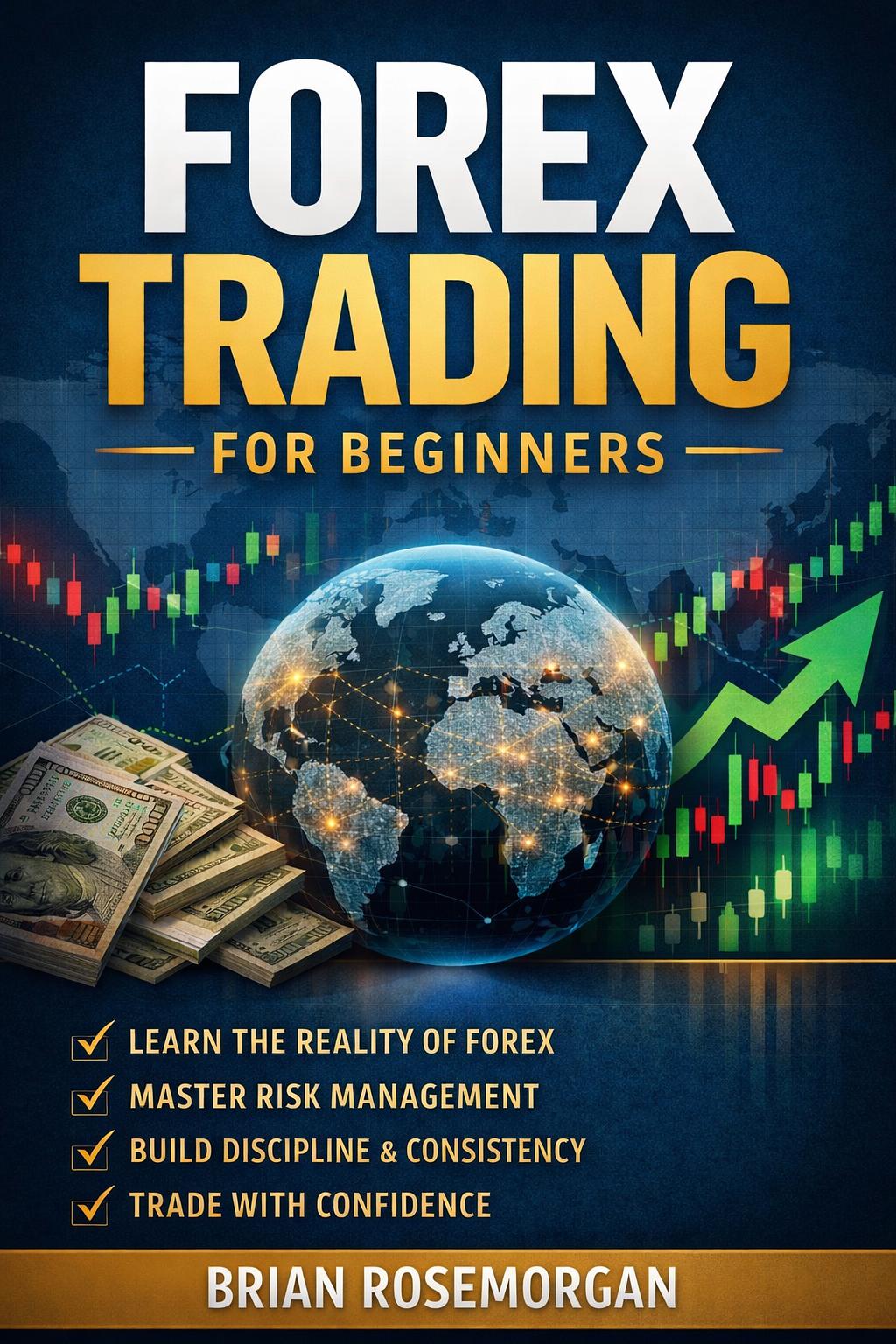
If you’ve enjoyed this free Academy, my book brings everything together in one structured beginner-friendly guide. It’s the perfect companion to the lessons you’ll complete here on TryBuying.
return to your lesson
Disclaimer: Forex trading and CFDs involve significant risk and may not be suitable for every investor. The information provided on this website is for educational purposes only and should not be considered financial, investment, or trading advice. Always verify that your broker is properly regulated before depositing funds, and practice on a demo account before trading with real money. Never risk money you cannot afford to lose. Past performance does not guarantee future results. Please read our full Risk Disclosure
relevent schama