
updated august 2026

Brian Rosemorgan
Retired Professional Trader | 8+ Years Experience | South Africa
Questions?
Is Forex a Skill or Luck?
When I first started learning forex trading, one of the questions I asked myself was whether successful traders were simply lucky. After all, you can analyse a currency pair, enter a trade and still have the market move against you. So where does skill end and luck begin? The answer is important for every beginner to understand.
Forex trading does involve uncertainty, and the result of any individual trade can sometimes be influenced by factors you cannot predict. However, successful trading is not based on being lucky on every trade. Skills such as market analysis, choosing a strategy, managing risk, controlling emotions and following a trading plan can influence how a trader performs over many trades.
In this guide, I will explain the difference between skill and luck in forex trading. You will learn why a good trader can still lose individual trades, why risk management matters, which skills need to be developed and why consistency comes from a process rather than hoping the next trade goes your way.
1. Why Forex Trading Can Sometimes Feel Like Luck
Forex prices can move unexpectedly because markets are affected by economic news, interest rates, political events, sentiment and many other factors. Even a well-planned trade can lose money. This uncertainty can make beginners believe trading is mostly luck, but one losing trade cannot tell you whether your overall trading process is good or bad.
2. Forex Trading Requires Learnable Skills
There are several skills a forex trader can develop over time. These include reading price charts, understanding market conditions, using a trading strategy, calculating position size, managing risk and controlling emotions. None of these skills guarantees a winning trade, but developing them can help a trader make more consistent decisions.
3. A Good Strategy Can Still Produce Losing Trades
A common beginner mistake is believing that a good trading strategy should win every time. It does not. Every strategy will have losing trades. The important question is whether the strategy has been properly tested and whether the trader follows its rules consistently. One loss does not automatically mean the strategy has failed.
4. Risk Management Reduces the Role of Luck
You cannot control what the market will do next, but you can control how much you risk. Using sensible position sizes, stop losses and a defined risk limit means one unexpected market move does not have to destroy your account. This is one of the biggest differences between a disciplined trader and someone simply hoping for a lucky outcome.
5. Consistency Comes From Process, Not Luck
A trader cannot control every individual result, but they can control their process. Following the same rules, recording trades, reviewing mistakes and avoiding emotional decisions can improve decision-making over time. The goal is not to eliminate losing trades. The goal is to build a repeatable process that manages losses and allows good trades to develop.
💡 Brian’s Expert Advice
When I first started trading, I sometimes looked for the perfect indicator or strategy that would tell me exactly when to buy and sell. I eventually learned that there is no system that can predict every market move. What made the biggest difference was learning how to manage risk, follow my rules and accept that losing trades are part of trading.
| Key Feature | What You Need to Know | Actionable Takeaway |
|---|---|---|
| Skill | Analysis, strategy, risk management and discipline can all be learned and improved. | Treat trading as a skill that requires practice and continuous learning. |
| Luck | Unexpected market movements can affect the result of an individual trade. | Accept that you cannot predict every market move. |
| Consistency | Long-term results depend on repeatedly following a sensible trading process. | Focus on good decisions and controlled risk rather than chasing winning trades. |
Frequently Asked Questions
1. Is Forex Trading Mostly Skill or Luck?
Forex trading involves both skill and uncertainty. The outcome of an individual trade can be affected by unexpected market movements, but important parts of trading can be learned. Analysis, strategy, risk management, discipline and trade management are skills that can be developed through education, practice and experience.
2. Can Luck Make You Profitable in Forex?
Luck can certainly help the result of an individual trade, but relying on luck is not a sustainable trading method. A lucky trade can make money even when the decision was poor. A disciplined trader focuses instead on using a repeatable strategy and controlling risk across many trades.
3. What Skills Do You Need to Trade Forex?
Important forex trading skills include market analysis, understanding price movements, using a trading strategy, calculating risk, managing positions and controlling emotions. Patience is also important. Beginners should concentrate on developing these skills gradually rather than looking for a shortcut or a strategy that promises constant winning trades.
4. Can a Good Forex Strategy Still Lose Money?
Yes. A good strategy can still produce losing trades because no trading strategy can predict every market movement. A strategy should be judged over a meaningful number of trades rather than one or two results. Risk management is essential because losing trades will always be part of forex trading.
5. How Long Does It Take to Learn Forex Trading Skills?
There is no fixed time because every trader learns at a different pace. Understanding the basics may happen relatively quickly, but developing discipline and consistent execution takes practice. Beginners should use a demo account, keep a trading journal and focus on improving their process before considering live trading.
6. Is Forex Trading a Skill You Can Learn?
Yes. Many parts of forex trading can be learned and practised. You can learn how currency markets work, how to analyse charts, how to use a trading strategy and how to manage risk. However, learning the skills does not guarantee profits. Trading always involves financial risk and uncertainty.
7. Why Do Skilled Forex Traders Still Lose Trades?
Because even skilled traders cannot know with certainty what the market will do next. A trader can make a sound decision based on their strategy and still experience a loss. Skilled trading is not about winning every trade; it is about managing risk and consistently following a tested process.
8. Is Forex Trading Just Guessing?
It should not be. A trader who enters positions without a reason, risk limit or trading plan is effectively guessing. A structured trader uses analysis and predefined rules to make decisions. The outcome remains uncertain, but the decision-making process can be based on evidence rather than a random prediction.
9. How Can I Become Better at Forex Trading?
Start by learning the fundamentals, practise on a demo account and choose a simple strategy that you understand. Keep your risk small, record your trades and review your decisions regularly. Over time, this process can help you identify mistakes and improve your trading discipline without risking unnecessary capital.
🛠️ Brokers to Consider for Demo Trading
If you are learning forex risk management, I recommend starting with a demo account rather than rushing into live trading. When comparing brokers, look beyond advertised spreads and consider regulation, commissions, execution, platform availability, withdrawal conditions and customer support.
The brokers below are included because they offer demo-trading options. This section contains affiliate links, so I may receive a commission if you open an account through one of the links. This does not mean that either broker is suitable for every trader. Always research the broker yourself and verify its current regulatory status and trading conditions before opening an account.
XM
✔️ Demo account available
✔️ MT4 & MT5
✔️ Multiple account options
✔️ Educational resources
An option to investigate if you want to practise trading on demo while comparing its costs, platforms and account conditions with other brokers.
Open Free Demo →
AvaTrade
✔️ Demo account available
✔️ MT4 & MT5
✔️ AvaTradeGO platform
✔️ Educational resources
Another option to investigate if you want to compare platforms, trading conditions and educational resources while practising on demo.
Open Free Demo →
Important: Spreads, commissions, leverage and other trading conditions can change. Always check the broker’s current terms, costs, regulation and withdrawal requirements before opening an account.
📘 Forex Trading for Beginners
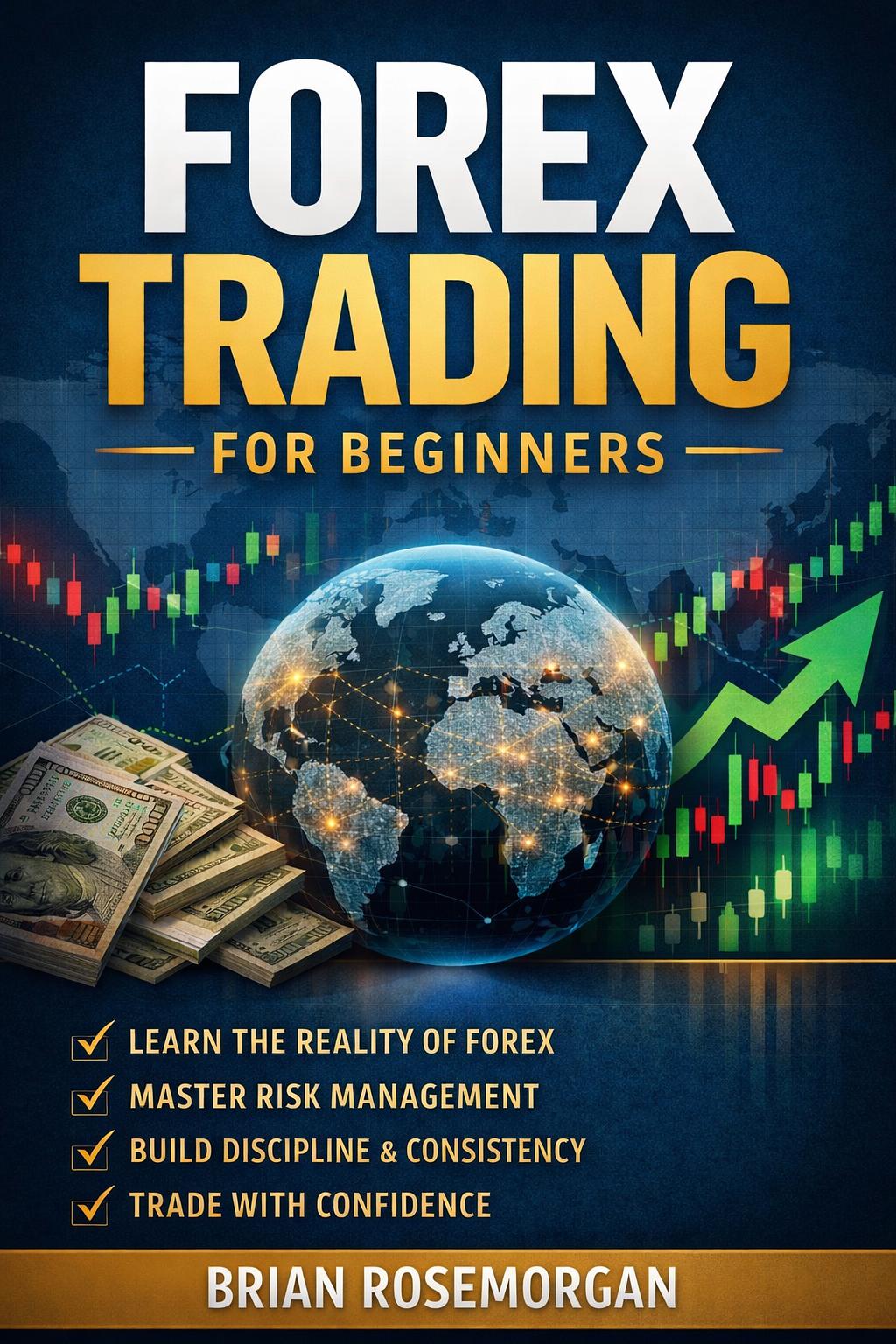
If you’ve enjoyed this free Academy, my book brings everything together in one structured beginner-friendly guide. It’s the perfect companion to the lessons you’ll complete here on TryBuying.
return to lesson
Disclaimer: Forex trading and CFDs involve significant risk and may not be suitable for every investor. The information provided on this website is for educational purposes only and should not be considered financial, investment, or trading advice. Always verify that your broker is properly regulated before depositing funds, and practice on a demo account before trading with real money. Never risk money you cannot afford to lose. Past performance does not guarantee future results. Please read our full Risk Disclosure
relevent schama