
Updated August 2026

Brian Rosemorgan
Retired Professional Trader | 8+ Years Experience | South Africa
Questions?
Capital Requirements to Trade Forex: How Much Money Do You Really Need?
Determining how much money you should allocate to forex trading is one of the most important decisions a new trader can make. Many beginners focus on the minimum deposit advertised by a broker, but a minimum deposit is not the same thing as an appropriate trading capital amount.
A very small account can make proper risk management difficult because minimum position sizes may force a trader to risk a larger percentage of the account than intended. This is why beginners should focus on position sizing, stop-loss placement and the amount they can genuinely afford to lose rather than simply looking for the lowest possible deposit.
In this lesson, you will learn how trading capital affects risk management, how micro lots can help smaller accounts, how leverage affects margin requirements, and why starting on a demo account can be a much better first step than immediately risking real money.
Important Risk Reminder
There is no universally safe amount of money to start trading forex. The appropriate amount depends on your financial circumstances, broker conditions, position size and risk-management plan. Never use money needed for living expenses, debt repayments, emergencies or essential household costs.
1. The Reality of Minimum Deposits vs. Trading Capital
Brokers may advertise very low minimum deposits, but this only tells you the minimum amount required to open an account. It does not mean that the amount is suitable for responsible trading. Your actual trading capital should be determined by your risk-management plan and available position sizes.
2. Micro Lots and Account Size Flexibility
Micro lots allow traders with smaller balances to use smaller position sizes. A micro lot generally represents 1,000 units of the base currency, although contract specifications can vary between instruments and brokers. Smaller position sizes can make it easier to keep individual trade risk under control.
3. Factoring in Psychological and Emotional Pressure
The money involved in trading can affect your decisions. Risking money you cannot comfortably afford to lose may create fear, greed or pressure to recover losses quickly. Trading with appropriate risk capital can make it easier to follow a predetermined trading plan.
4. Surviving Inevitable Market Drawdowns
Every trading strategy can experience losing trades and losing streaks. A trader needs enough account equity and sufficiently small position sizes to withstand normal drawdowns without abandoning the trading plan or taking excessive risks to recover losses.
5. Choosing a Sensible Starting Point
For beginners, the safest starting point is generally a demo account. Once you have demonstrated that you can follow your strategy and risk-management rules consistently, you can investigate whether a small live account using appropriate position sizes is suitable for your circumstances.
Brian’s Expert Advice
During my 8+ years of live trading, I learned that protecting trading capital is just as important as finding a trading strategy. Beginners often ask whether they can turn a very small account into a much larger one quickly. While anything is possible in a market, attempting to achieve very large returns quickly normally requires taking excessive risk.
My advice is simple: start with a demo account, learn to manage risk, use sensible position sizes and only consider live trading when you understand how much you could lose on every trade. Never use money allocated for living expenses.
| Key Feature | What You Need to Know | Actionable Takeaway |
|---|---|---|
| Minimum Deposit vs. Operating Capital | A broker’s minimum deposit does not automatically represent an appropriate trading balance. | Calculate your risk and position size before deciding how much money to deposit. |
| Lot Size Compatibility | Smaller balances may require micro or smaller position sizes to keep risk under control. | Choose a position size that allows your planned percentage risk to remain within your rules. |
| Risk Capital | Trading money should be money that you can afford to lose without affecting your essential finances. | Never use rent, grocery, emergency or essential household funds for trading. |
Frequently Asked Questions
1. How much money do you need to start trading forex?
There is no single amount that is suitable for every trader. Some brokers allow very small deposits, but the amount required to trade responsibly depends on position-size options, risk tolerance and your personal financial circumstances.
2. Can you trade forex with a $100 account?
It may be technically possible with a broker offering sufficiently small position sizes. However, a $100 account provides very little room for error, and maintaining a strict percentage-based risk limit may be difficult depending on the instrument and minimum trade size.
3. What is the difference between margin and capital?
Capital refers to the money and equity available in your trading account. Margin is the amount set aside by the broker to support an open leveraged position. They are related but are not the same thing.
4. Why is starting capital important for risk management?
Your account size affects how easily you can use appropriate position sizes. If the minimum position available is too large relative to your account, you may be forced to risk more than your planned percentage on a trade.
5. What are micro lots and why do they matter for small accounts?
A micro lot generally represents 1,000 units of the base currency. Micro lots can help smaller-account traders use more precise position sizing, although the actual contract specifications should always be checked with the broker.
6. How does leverage affect your required capital?
Leverage can reduce the margin required to open a position, but it does not remove the underlying market risk. Higher leverage can allow a trader to control a larger position with less margin, which can also cause losses to accumulate quickly.
7. Is it better to start on a demo account before risking real capital?
Yes. A demo account allows beginners to learn the trading platform, practise their strategy, test position sizing and develop discipline without immediately risking real money.
8. How much can beginners realistically expect to make?
There is no guaranteed or predictable monthly return from forex trading. Beginners should concentrate on learning, risk management and consistency rather than trying to achieve a specific percentage return every month.
9. How do South African traders choose initial funding amounts?
South African traders should consider their personal financial circumstances, risk tolerance, broker conditions and position-sizing requirements. Before depositing money, check the broker’s current regulatory status and terms and make sure the funds are genuinely risk capital.extra sections
extra sections
- How Much Leverage Do You Need for Small Forex Accounts?
- Can You Make a Living Trading Forex with a Small Account?
Brokers to Consider for Demo Trading
If you are learning forex risk management, I recommend starting with a demo account rather than rushing into live trading. When comparing brokers, look beyond advertised spreads and consider regulation, commissions, execution, platform availability, withdrawal conditions and customer support.
The brokers below are included because they offer demo-trading options. This section contains affiliate links, so I may receive a commission if you open an account through one of the links. This does not mean that either broker is suitable for every trader. Always research the broker yourself and verify its current regulatory status and trading conditions before opening an account.
XM
Demo account available
MT4 & MT5
Multiple account options
Educational resources
An option to investigate if you want to practise trading on demo while comparing its costs, platforms and account conditions with other brokers.
AvaTrade
Demo account available
MT4 & MT5
AvaTradeGO platform
Educational resources
Another option to investigate if you want to compare platforms, trading conditions and educational resources while practising on demo.
Important: Spreads, commissions, leverage and other trading conditions can change. Always check the broker’s current terms, costs, regulation and withdrawal requirements before opening an account.
Forex Trading for Beginners
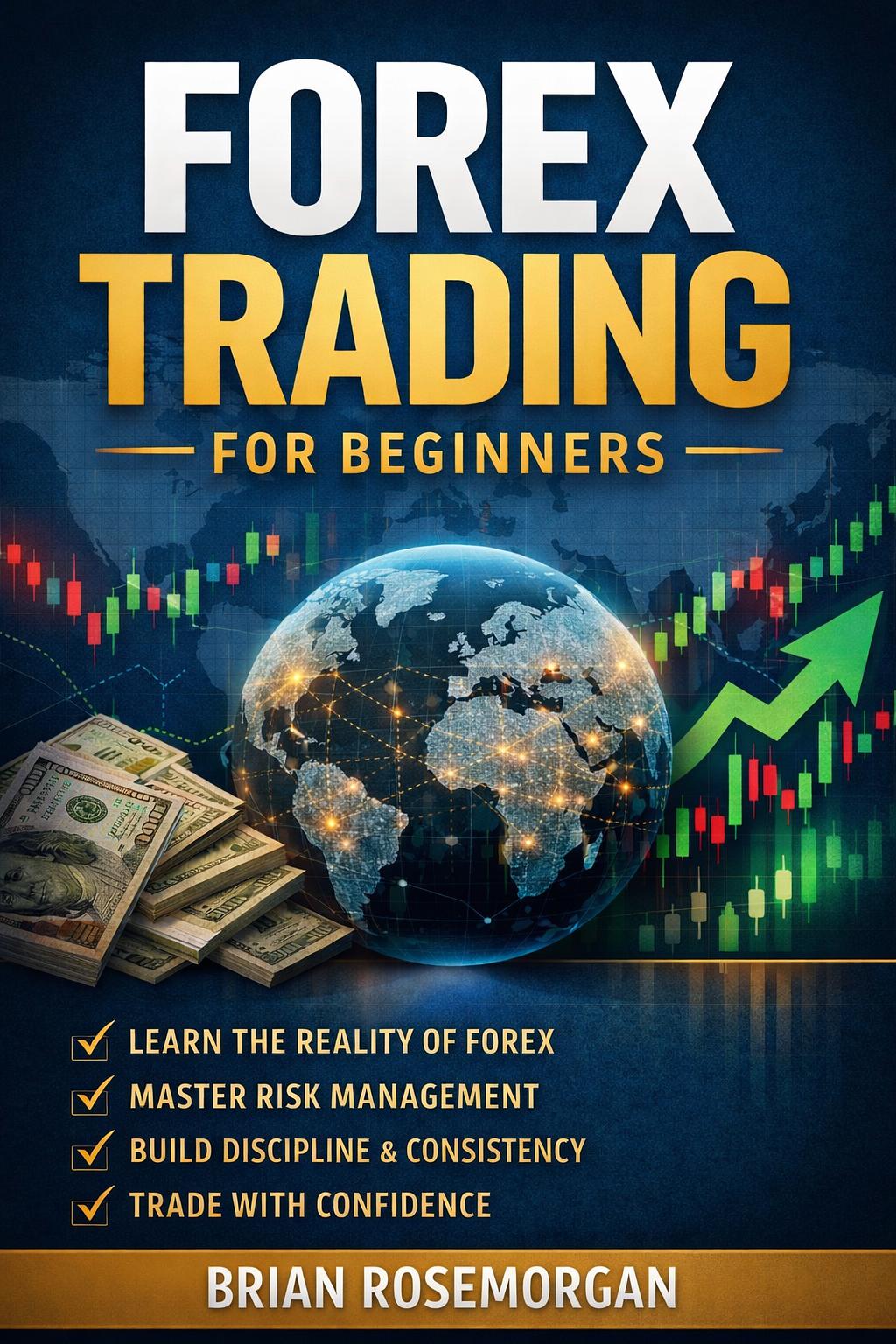
If you’ve enjoyed this free Academy, my book brings everything together in one structured beginner-friendly guide. It’s designed as a simple reference to accompany the lessons you complete here on TryBuying.
🎉 Congratulations!
You have completed Capital Required to Trade Forex.
Click below to save your progress and return to
Module 1 – Lesson 4 in the Academy.
Your progress will be saved automatically. When you return to the Academy, Lesson 4 should show as completed.
Disclaimer: Forex trading and CFDs involve significant risk and may not be suitable for every investor. The information provided on this website is for educational purposes only and should not be considered financial, investment, or trading advice. Always verify that your broker is properly regulated before depositing funds, and practise on a demo account before trading with real money. Never risk money you cannot afford to lose. Past performance does not guarantee future results. Please read our full
Risk Disclosure.