

Brian Rosemorgan
Retired Professional Trader | 8+ Years Experience | South Africa
Questions?
Forex Trading for Beginners Free: Learn the Basics Without Paying for a Course
Learning forex trading does not have to begin with an expensive course or subscription. Beginners can learn many of the essential concepts of forex trading for free by using reliable educational resources, studying how the market works and practising with a demo trading account before risking real money.
Forex trading involves buying one currency while selling another. Currency pairs such as EUR/USD, GBP/USD and USD/ZAR move as economic conditions, interest rates, market sentiment and other factors change. Understanding these basic relationships is more important for a beginner than searching for a guaranteed trading strategy or quick profits.
This free guide is designed to give beginners a practical starting point. You will learn what forex trading is, how currency pairs work, why risk management matters, how demo accounts can be used for practice and what you should understand before considering live trading.
1. Learn What Forex Trading Actually Is
Forex, or foreign exchange, is the global market where currencies are exchanged. When you trade forex, you buy one currency and sell another at the same time. The difference between the price at which you enter and exit a trade determines whether the position makes a profit or loss, before trading costs.
2. Understand Currency Pairs
Currencies are always quoted in pairs because one currency is valued against another. In EUR/USD, for example, EUR is the base currency and USD is the quote currency. Learning how currency quotations work is one of the first skills a new trader should develop.
3. Learn About Pips, Spreads and Leverage
Pips describe price movements in many currency pairs, while the spread represents the difference between the buying and selling price. Leverage allows traders to control a larger position with less capital, but it also increases potential losses. Beginners should understand these concepts before using real money.
4. Practise Forex Trading for Free
A demo trading account allows you to practise using virtual money rather than your own capital. You can learn how to place trades, use stop-loss orders, understand platform functions and test a strategy without immediately exposing your savings to market risk.
5. Learn Risk Management Before Chasing Profits
The most important free lesson a beginner can learn is that protecting trading capital matters. Position sizing, stop-losses, leverage and the amount risked on each trade all affect your ability to survive losing trades. A good trading education should focus on risk as much as it focuses on potential profit.
💡 Brian’s Expert Advice
When I started trading, I made many of the mistakes beginners commonly make. I looked for quick results before I fully understood risk. If I could give a new trader one piece of advice, it would be this: do not confuse free education with easy money. Use the free information available to learn properly, practise on demo and concentrate on controlling losses before worrying about profits.
| Free Learning Area | What to Learn | Practical Action |
|---|---|---|
| Forex Basics | Currencies, currency pairs and exchange rates. | Learn how a forex trade actually works. |
| Trading Costs | Pips, spreads, commissions and other costs. | Understand the cost before entering a trade. |
| Demo Trading | How to practise without risking real capital. | Open a demo account and practise your trading process. |
| Risk Management | Position size, leverage, stop-losses and risk per trade. | Build risk controls before trading live. |
Frequently Asked Questions
1. Can I Learn Forex Trading for Free?
Yes. Many important forex concepts can be learned for free through educational websites, articles, videos and demo trading platforms. Beginners can learn market terminology, currency pairs, trading costs and risk management without paying for an expensive course.
2. Is Free Forex Education Enough to Start Trading?
Free education can provide a strong foundation, but learning the theory is not the same as gaining trading experience. Beginners should combine education with demo practice and develop a clear understanding of risk before considering live trading.
3. Can I Practise Forex Trading Without Money?
Yes. A forex demo account allows you to practise using virtual funds. You can learn how the trading platform works, place simulated trades and test your approach without putting your actual savings at risk.
4. What Should a Beginner Learn First in Forex?
Start with the basics: currency pairs, pips, spreads, leverage, margin and how buy and sell orders work. After understanding those concepts, move on to risk management, market analysis and developing a simple trading plan.
5. Is Forex Trading Easy for Beginners?
No. Understanding the basic mechanics of forex can be learned relatively quickly, but becoming a disciplined trader takes practice. Markets can move unexpectedly, and losses are part of trading. Beginners should avoid claims that forex provides easy or guaranteed income.
6. Do I Need to Buy a Forex Trading Course?
No. A paid course is not automatically better than free education. A beginner can build substantial foundational knowledge through free resources. If you later consider paying for education, evaluate the instructor, content, transparency and claims carefully before spending money.
7. Can I Make Money From Forex Trading?
It is possible to make money trading forex, but profits are never guaranteed. Forex trading involves substantial financial risk and many beginners lose money. Education, discipline, appropriate position sizing and realistic expectations are essential.
8. Should I Use a Demo Account Before Trading Live?
Yes. A demo account provides an opportunity to practise without risking real capital. Use it to become familiar with your trading platform, test your strategy and develop consistent trading habits before considering a live account.
9. What Is the Biggest Mistake Forex Beginners Make?
One of the biggest mistakes is risking too much money too quickly. Beginners can become focused on potential profits and underestimate leverage and market volatility. Starting slowly, practising on demo and learning proper risk management can help reduce unnecessary losses.
Updated August 2026
🛠 Brokers to Consider for Demo Trading
If you are learning forex risk management, I recommend starting with a demo account rather than rushing into live trading. When comparing brokers, look beyond advertised spreads and consider regulation, commissions, execution, platform availability, withdrawal conditions and customer support.
The brokers below are included because they offer demo-trading options. This section contains affiliate links, so I may receive a commission if you open an account through one of the links. This does not mean that either broker is suitable for every trader. Always research the broker yourself and verify its current regulatory status and trading conditions before opening an account.
XM
✔ Demo account available
✔ MT4 & MT5
✔ Multiple account options
✔ Educational resources
An option to investigate if you want to practise trading on demo while comparing its costs, platforms and account conditions with other brokers.
AvaTrade
✔ Demo account available
✔ MT4 & MT5
✔ AvaTradeGO platform
✔ Educational resources
Another option to investigate if you want to compare platforms, trading conditions and educational resources while practising on demo.
Important: Spreads, commissions, leverage and other trading conditions can change. Always check the broker’s current terms, costs, regulation and withdrawal requirements before opening an account.
📘 Forex Trading for Beginners
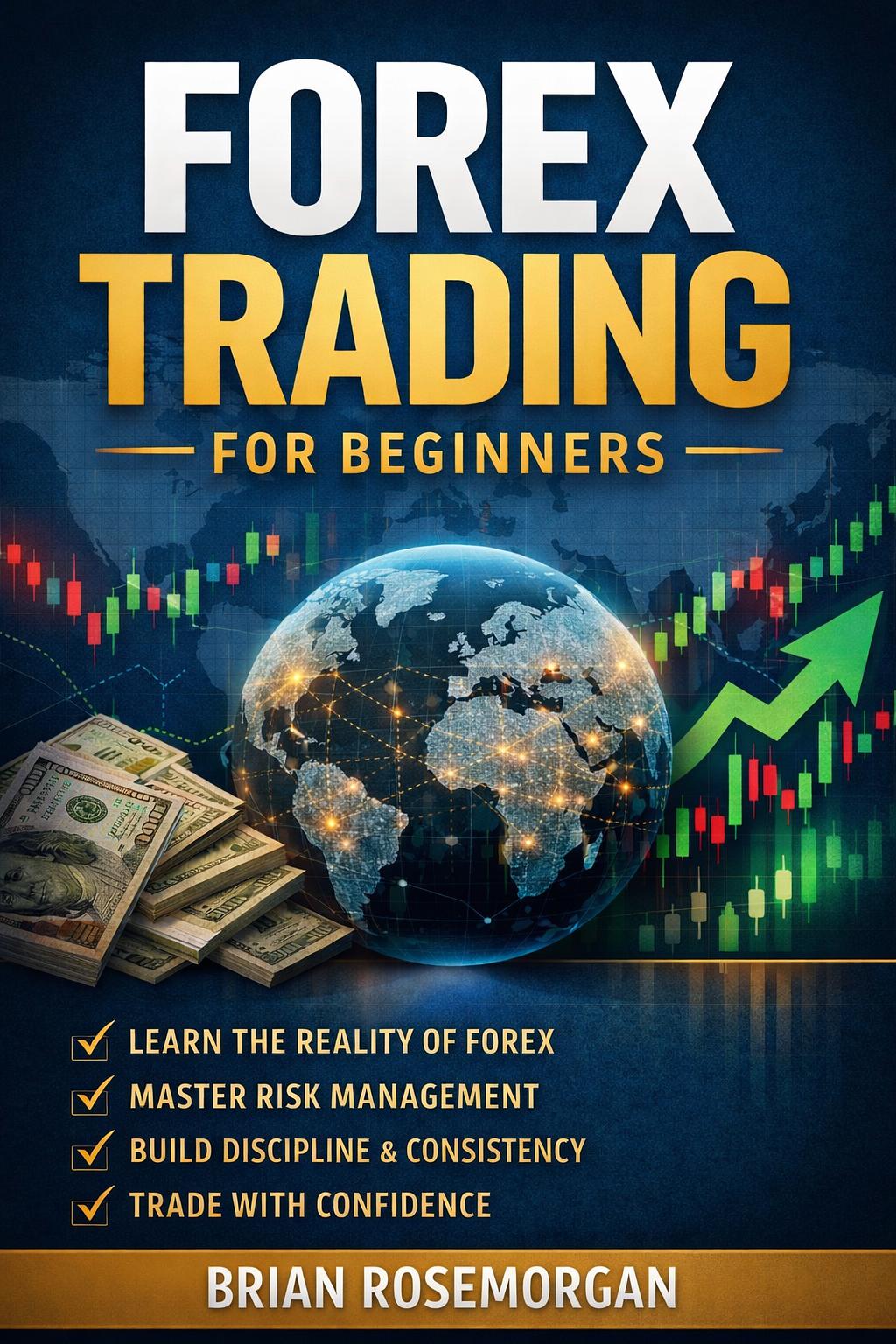
If you’ve enjoyed this free Academy, my book brings everything together in one structured beginner-friendly guide. It’s the perfect companion to the lessons you’ll complete here on trybuying.
↩ Back to Main Page
Return to the main Forex Learning page and continue exploring the beginner lessons.
Disclaimer: Forex trading and CFDs involve significant risk and may not be suitable for every investor. The information provided on this website is for educational purposes only and should not be considered financial, investment, or trading advice. Always verify that your broker is properly regulated before depositing funds, and practice on a demo account before trading with real money. Never risk money you cannot afford to lose. Past performance does not guarantee future results. Please read our full Risk Disclosure.